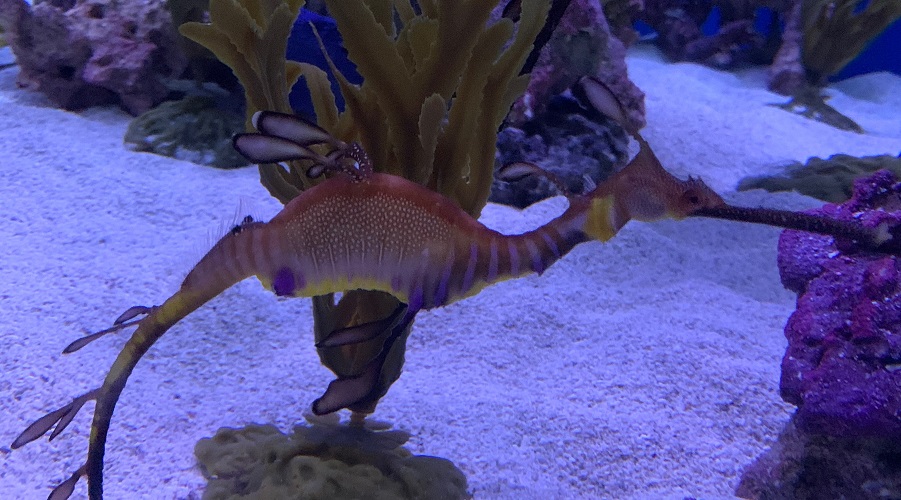
Common seadragon. Photo by Melanie Warren.
Despite their odd shape, which makes them resemble a tuft of seaweed, common and leafy seadragons grow in the same fashion as other bony fish, new research has found.


Common seadragon. Photo by Melanie Warren.
Despite their odd shape, which makes them resemble a tuft of seaweed, common and leafy seadragons grow in the same fashion as other bony fish, new research has found.
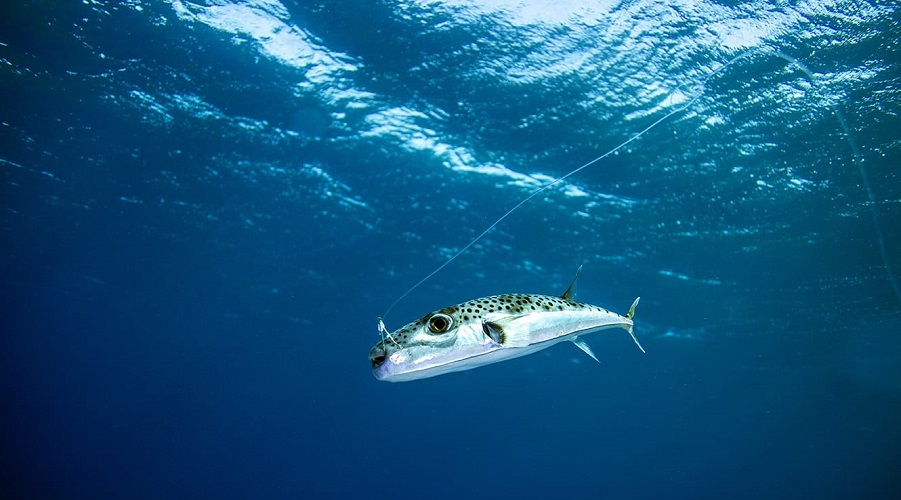
Silver-cheeked
toadfish Lagocephalus
sceleratus, a poisonous invasive
species thriving in the Eastern Mediterranean Sea since the mid-2000s after it
crossed the Suez Canal from the Red Sea, is now reaching monstrous sizes around
the Greek islands near the Turkish coast.

By Daniel Pauly.
Jeffrey Hutchings, a friend, colleague and mentor to many at the Institute for the Oceans and Fisheries, passed away in late January 2022 at 63 years of age. His eulogy in the Globe and Mail emphasized that he “firmly believed in the value of ensuring that public-policy decisions are guided by unbiased research.”[1]
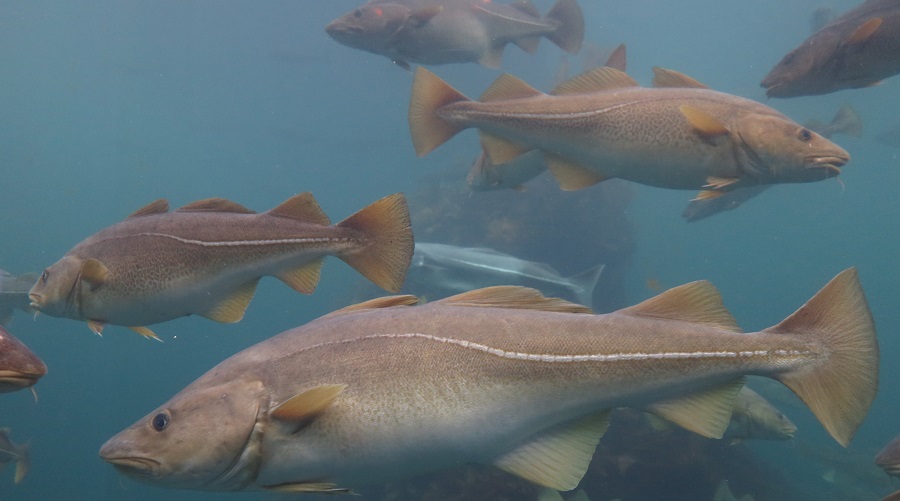
Atlantic cod (Gadus morhua) is among the fish species maturing and spawning earlier in the “spring” reproductive season, due to higher water temperature. Photo by GRID-Arendal, Flickr.
Fisheries managers and researchers may now predict how early fish will spawn in response to warming waters due to climate change, both in the oceans and in freshwaters.

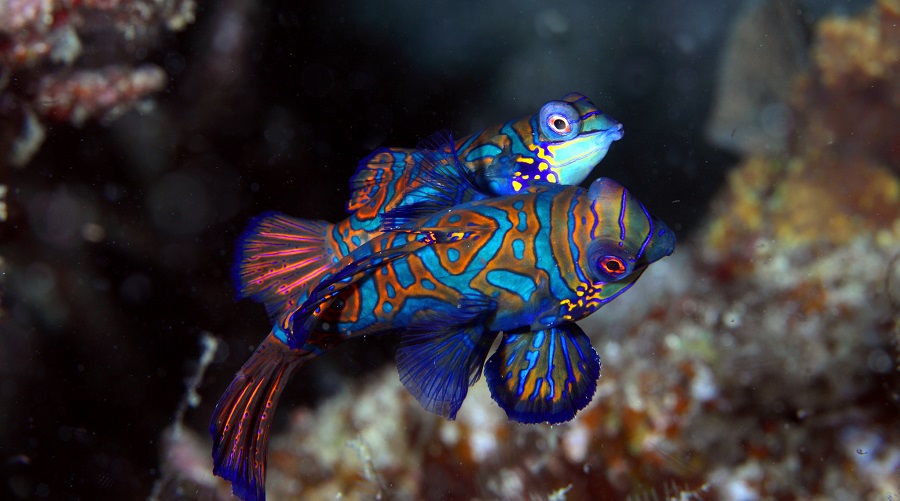
Mandarin fish mating. Image by Klaus Stiefel, Flickr.
Discounting anthropogenic-induced changes, the seasonally oscillating environments where long-lived fish hatch and grow remain more or less the same throughout the course of their lives. This means that the common explanation that states that fish become sexually active – or spawn for the first time – after experiencing certain environmental stimuli does not properly explain this phenomenon.