Knowledge provided by local stakeholders such as non-governmental organizations, academics, civil servants, journalists, and fishers can be valuable for evaluating the effectiveness of countries’ marine protected areas (MPAs).

Knowledge provided by local stakeholders such as non-governmental organizations, academics, civil servants, journalists, and fishers can be valuable for evaluating the effectiveness of countries’ marine protected areas (MPAs).
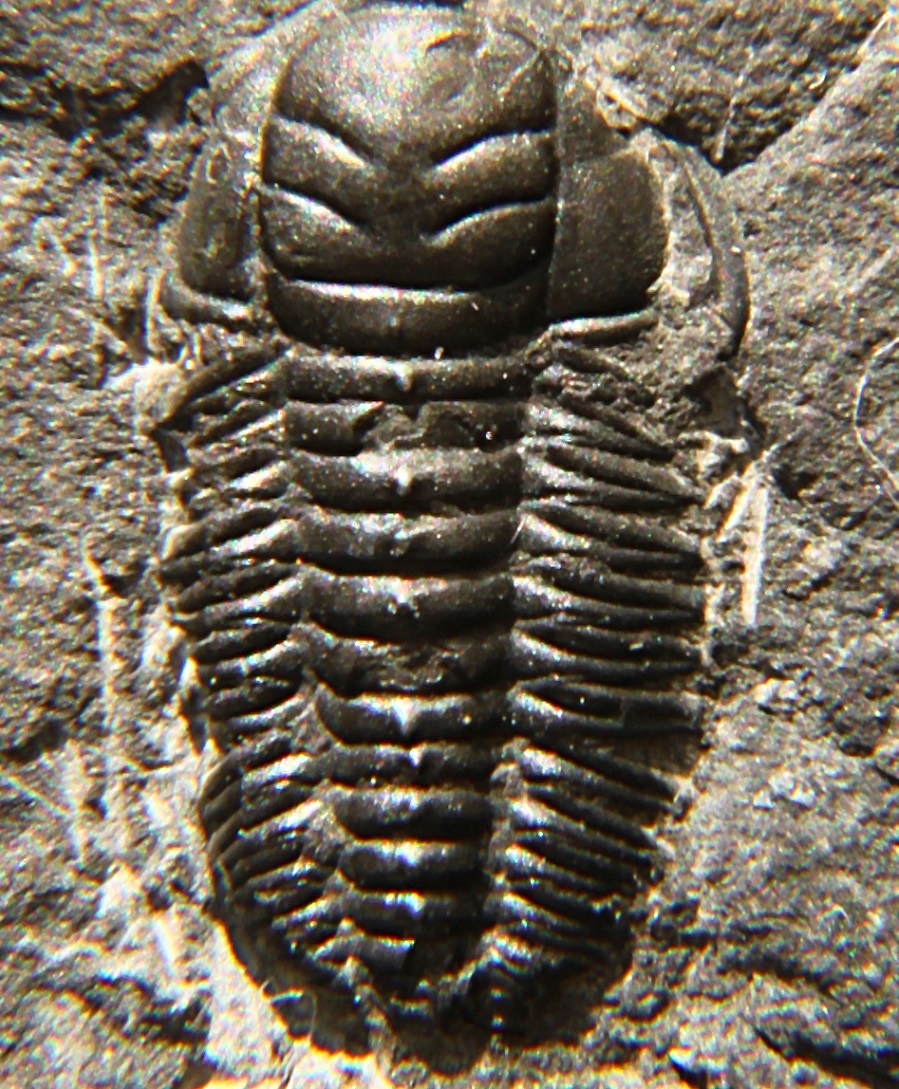
Trilobites- extinct marine arthropods that roamed the world’s oceans from about 520 million years ago until they went extinct 250 million years ago, at the end of the Permian period – may have grown in a similar fashion and reached ages that match those of extant crustaceans, a new study has found.

Lake whitefish. Photo by Marco Verch, Flickr.
A physiological explanation and an evolutionary explanation related to the moment fish become sexually active – and spawn for the first time – have turned out to be two sides of the same coin, new research has found.

On June 9, 2022, in the midst of what is known now as World Oceans Week, the Sea Around Us hosted a successful event to present The Ocean’s Whistleblower, the English version of Dr. Daniel Pauly’s biography – initially released in French under the title Daniel Pauly : un océan de combats.
New research has pinpointed four high-traffic areas in the Pacific Ocean that should be considered of high priority if conservation efforts focused on large pelagic fishes such as tuna, blue marlin and swordfish are to be successful.