Fatal Watch image

Between profit and principle: Fatal Watch exposes the human price of the global tuna industry

Fatal Watch image

Labour and human rights abuses, overfishing, unreported, unregulated and illegal fishing, all spurred by subsidies provided to distant-water fishing fleets, are some of the most pervasive practices linked to the global seafood industry.

Witnessing and reporting on all of this are fisheries observers. Often scientists – marine biologists or ecologists –, fisheries observers are tasked by national frameworks, regional bodies, or international fisheries organizations with gathering information that supports sustainable fisheries management. Some are hired by the fishing companies they monitor.

Continue reading

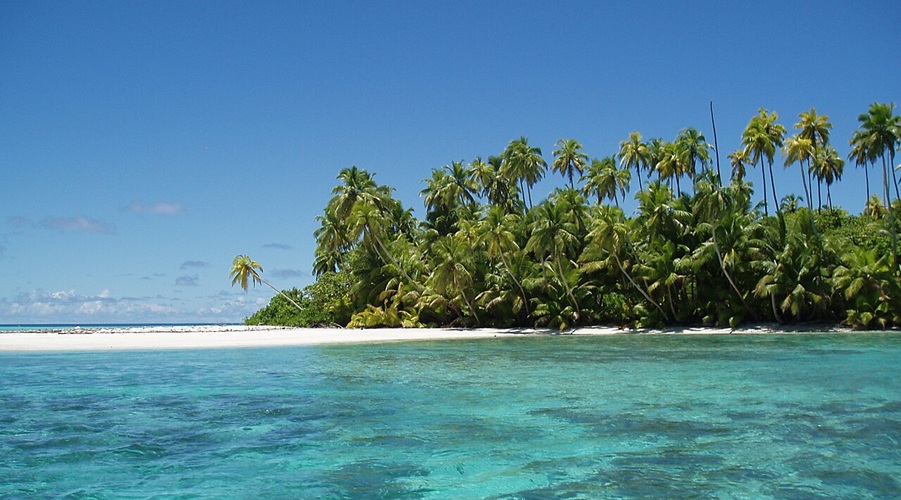
Turquoise waters at the Tubbataha Reefs Natural Park

Real MPA or paper park? Tubbataha Reefs Natural Park

Turquoise waters at the Tubbataha Reefs Natural Park

Tubbataha Reefs Natural Park. Image by UNESCO, Wikimedia Commons.

World Oceans Day (WOD), the initiative proposed in 1992 by Canada at the Earth Summit in Rio de Janeiro and officially recognized by the UN in 2008, aims to catalyze collective action for a healthy ocean and a stable climate.

Some of the yearly campaigns thousands of organizations run, inspired by this goal, are guided by the annual action theme that NGO The Ocean Project proposes for WOD. The Ocean Project, together with the World Ocean Network, led efforts to get the UN to recognize June 8th as World Oceans Day.

Continue reading

Diver coming out of the water with an oyster shell in her hands

Efforts to rebuild Hong Kong oyster reefs now on film

Diver coming out of the water with an oyster shell in her hands

Image from City of Shells by Mike Sakas.

Pearls, aphrodisiac concoctions, and Asian sauces. When we, ‘moderns,’ think about oysters, we rarely connect them to the substrate of a city.

Hong Kong and its Pearl River Delta area, as it turns out, have been built both structurally and socio-culturally atop what used to be extensive oyster reefs. However, these ecosystems have been decimated by dredging for lime and mega-city development.

Continue reading