Women comprise about 47 per cent of the 120 million people who work in the capture fisheries and post-harvest sectors, says the Food and Agriculture Organization of the United Nations.


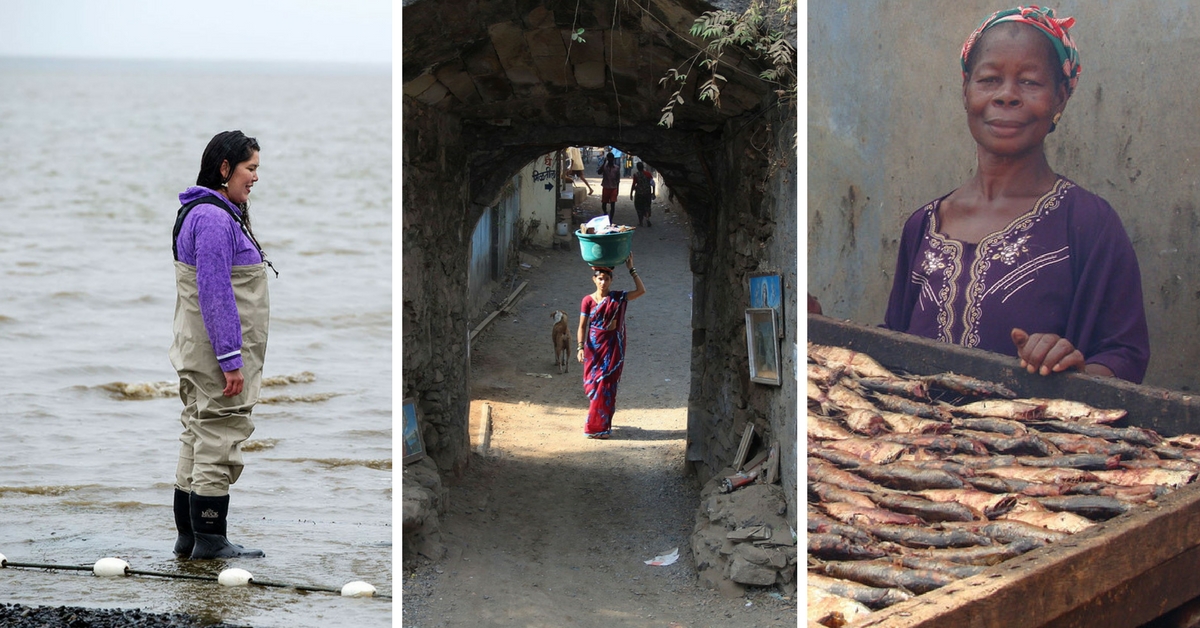
Women comprise about 47 per cent of the 120 million people who work in the capture fisheries and post-harvest sectors, says the Food and Agriculture Organization of the United Nations.
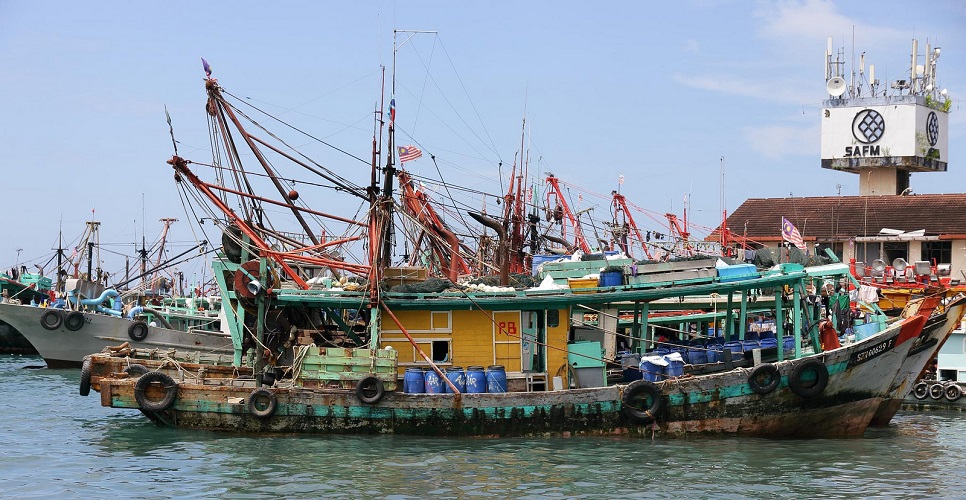
Fishing trawlers in Kota Kinabalu, Sabah, Malaysia. Photo by stratman², Flickr.
Four countries in Southeast Asia have diverted almost 40 million tonnes of fish towards fishmeal production in the past six decades, as opposed to making it available for direct human consumption.
A new study by the Sea Around Us at the University of British Columbia reveals that government policies in Cambodia, Malaysia, Thailand, and Vietnam have focused on expanding their industrial fisheries and making them competitive, despite the fact that such growth may not always benefit their own countries’ food security.
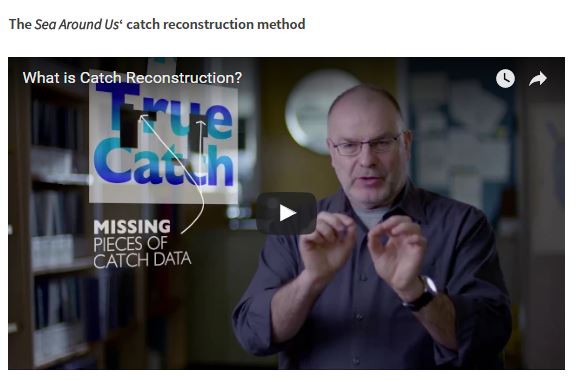
The Sea Around Us – Indian Ocean under the lead of Professor Dirk Zeller is looking for outstanding international PhD candidates interested in conducting ‘big-data’ research on fisheries and fisheries conservation issues at the ocean-basin scale. If this is of interest to you, then consider applying for an international PhD Scholarship at the University of Western Australia in Perth. The current round of applications closes on April 6, 2018 and is for international candidates only.
Is there a connection between countries’ human development, fisheries data and the way ocean resources are managed? There is one (or many), indeed.
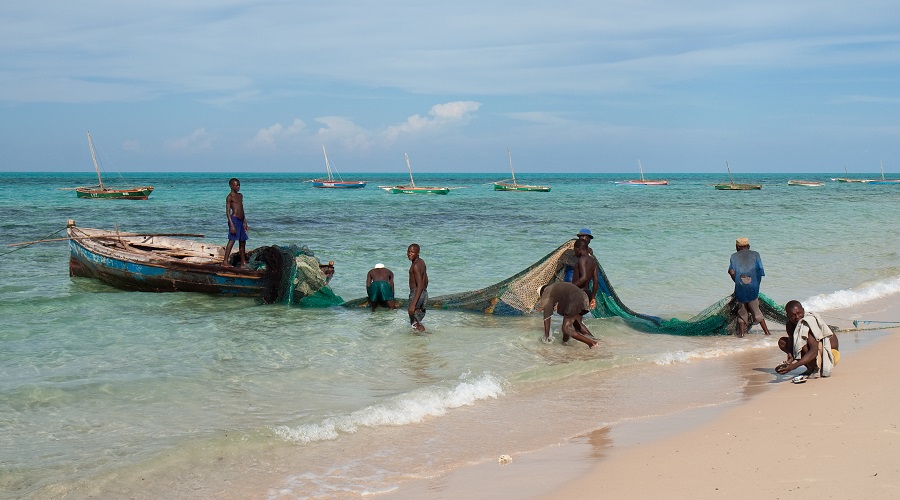
Fishermen holding a net between boat and beach at Pinda, Mozambique. Photo by Stig Nygaard, Wikimedia Commons.
Countries’ improvements to their fisheries statistics have been contributing to the false impression that humanity is getting more and more fish from the ocean when, in reality, global marine catches have been declining on average by around 1.2 million tonnes per year since 1996.