Forty-year-old concepts around fish respiration regain prominence in light of climate change

Forty-year-old concepts around fish respiration regain prominence in light of climate change

Forty-year-old concepts around fish respiration regain prominence in light of climate change

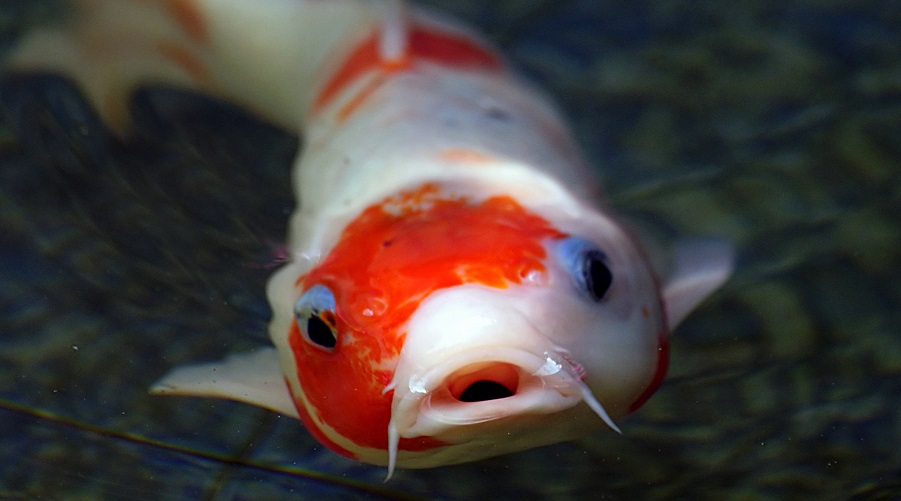
Common carp. Photo by Bernard Spragg. NZ, Wikimedia Commons.

Before Dr. Daniel Pauly, now the principal investigator of the Sea Around Us initiative at the University of British Columbia, became a doctoral student, he spent two years doing fisheries work in Indonesia.

Having done his academic studies in Germany, he was surprised to discover a near absence of information on the growth of tropical fish. Thus, upon his return to Kiel University’s Institute of Marine Sciences, he decided to find out how fish grew; the idea was that if general patterns emerged, they could be applied to the many species in Indonesia and elsewhere in the tropics.

His doctoral dissertation was, consequently, built around identifying the factors that govern fish growth.

Continue reading

Ageeba - Mediterranean coast -Egypt

Egyptian Mediterranean fisheries in urgent need of better management

Ageeba - Mediterranean coast -Egypt

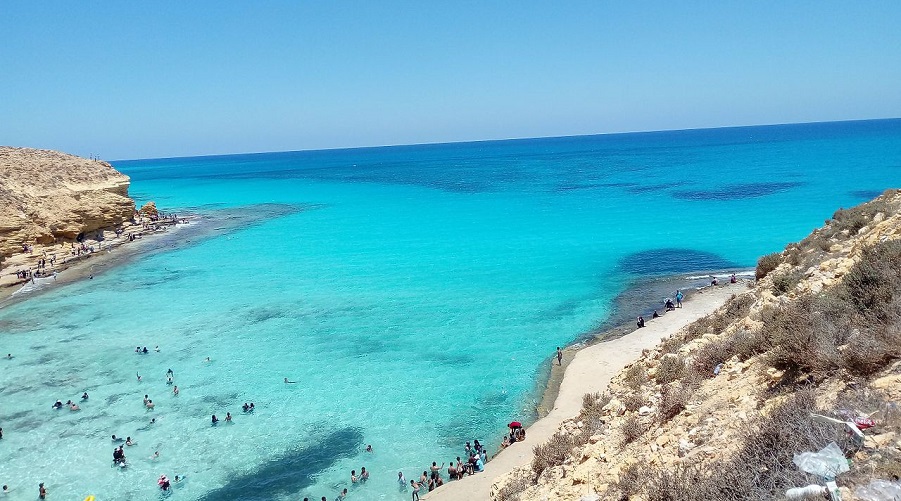
Ageeba beach on Egypt’s Mediterranean coast. Photo by Aya Gallab, Wikimedia Commons.

Egyptian fisheries need to be better managed to secure the overall health of the Mediterranean Sea’s marine living resources, new research has found.

In a recent paper in the journal Ocean and Coastal Management, researchers with the Sea Around Us initiative at the University of British Columbia’s Institute for the Oceans and Fisheries and the Arab Academy for Science, Technology and Maritime Transport reconstructed Egypt’s marine fisheries catches from the Mediterranean in the last 100 years and found strong evidence of resource overexploitation. Such overexploitation has pushed fishers to go farther and deeper, increasingly resorting to species lower in the food chain.

Continue reading

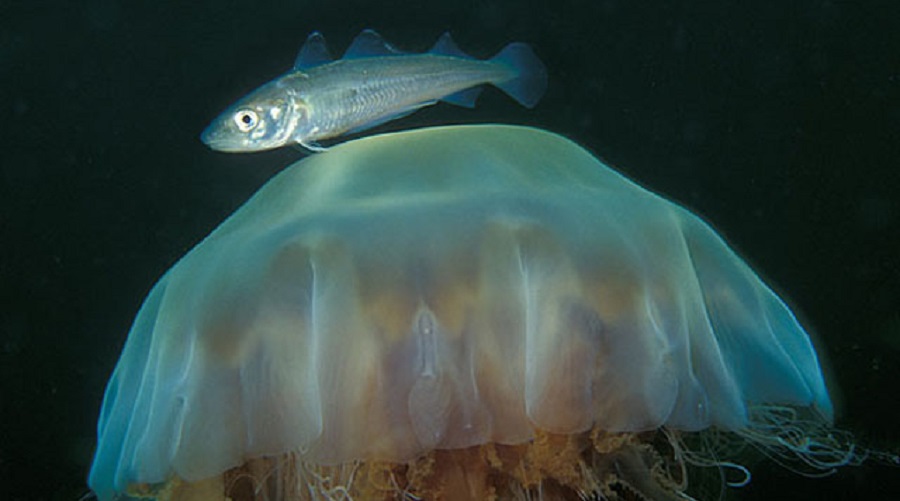
Whiting atop a jellyfish. Whiting is among the demersal fish found in the eastern North Atlantic Ocean.

Groundfish barely feel the impact of marine heatwaves – showing there’s still time to act on climate change

Whiting atop a jellyfish. Whiting is among the demersal fish found in the eastern North Atlantic Ocean.

Whiting is among the demersal fish found in the eastern North Atlantic Ocean. Photo by Borut Furlan, taken from the website of our sister project FishBase.

Fish that live on or near the seafloor -known as demersal or groundfish- barely feel the impact of marine heatwaves, according to new research that highlights the need to keep seas from warming further.

Continue reading