Fatal Watch image

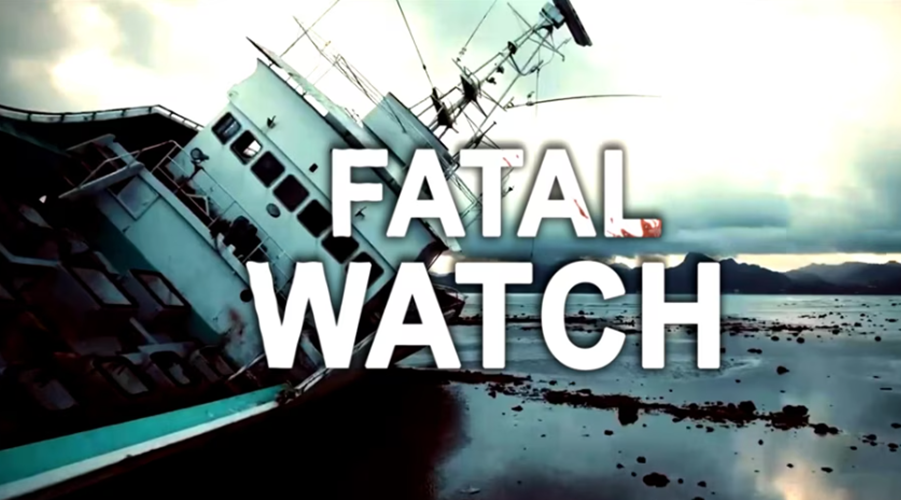
Between profit and principle: Fatal Watch exposes the human price of the global tuna industry

Fatal Watch image

Labour and human rights abuses, overfishing, unreported, unregulated and illegal fishing, all spurred by subsidies provided to distant-water fishing fleets, are some of the most pervasive practices linked to the global seafood industry.

Witnessing and reporting on all of this are fisheries observers. Often scientists – marine biologists or ecologists –, fisheries observers are tasked by national frameworks, regional bodies, or international fisheries organizations with gathering information that supports sustainable fisheries management. Some are hired by the fishing companies they monitor.
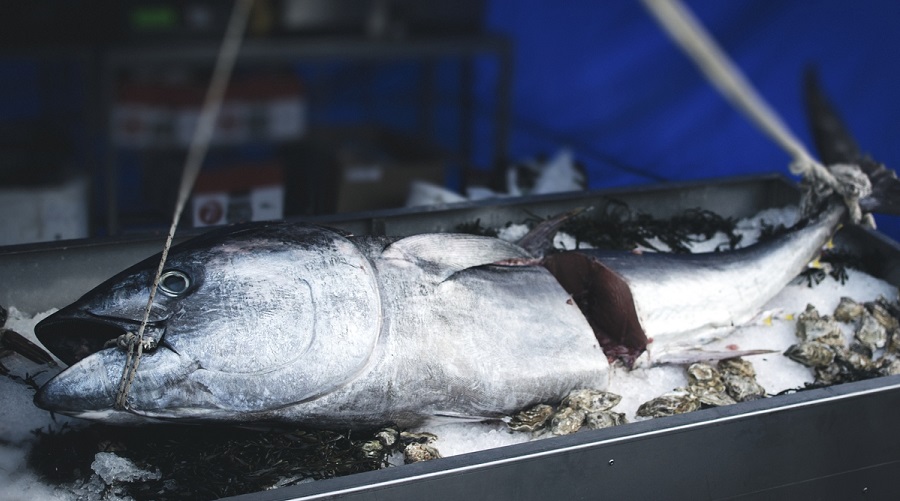
Continue reading

How sustainable is tuna? New global catch database exposes dangerous fishing trends

How sustainable is tuna? New global catch database exposes dangerous fishing trends

How sustainable is tuna? New global catch database exposes dangerous fishing trends

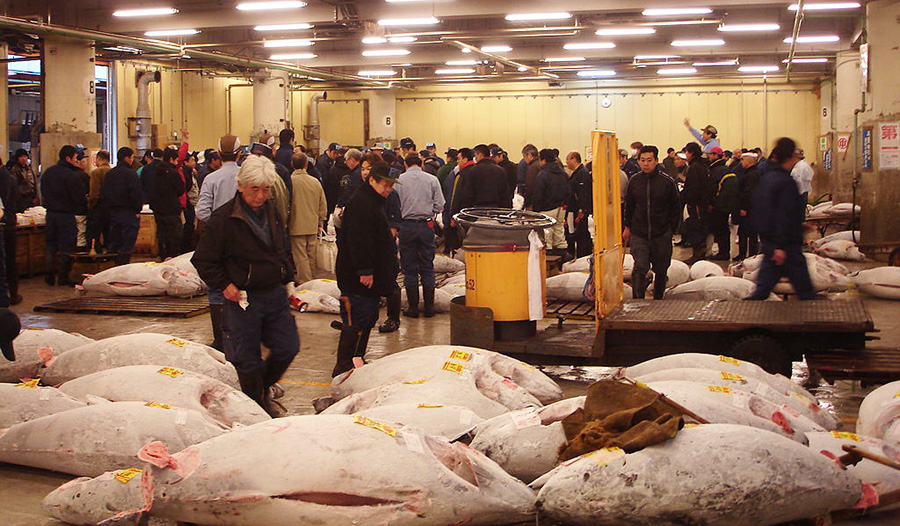
Tuna at the Tsukiji fish market in Japan. Photo by Humanoid one, Wikimedia Commons.

Appearing in everything from sushi rolls to sandwiches, tuna are among the world’s favourite fish. But are our current tuna fishing habits sustainable?

Probably not, according to a new global database of tuna catches created by researchers at the University of British Columbia and University of Western Australia.

In a study published in Fisheries Research, scientists from the Sea Around Us initiative found that global tuna catches have increased over 1,000 per cent in the past six decades, fueled by a massive expansion of industrial fisheries.

Continue reading