
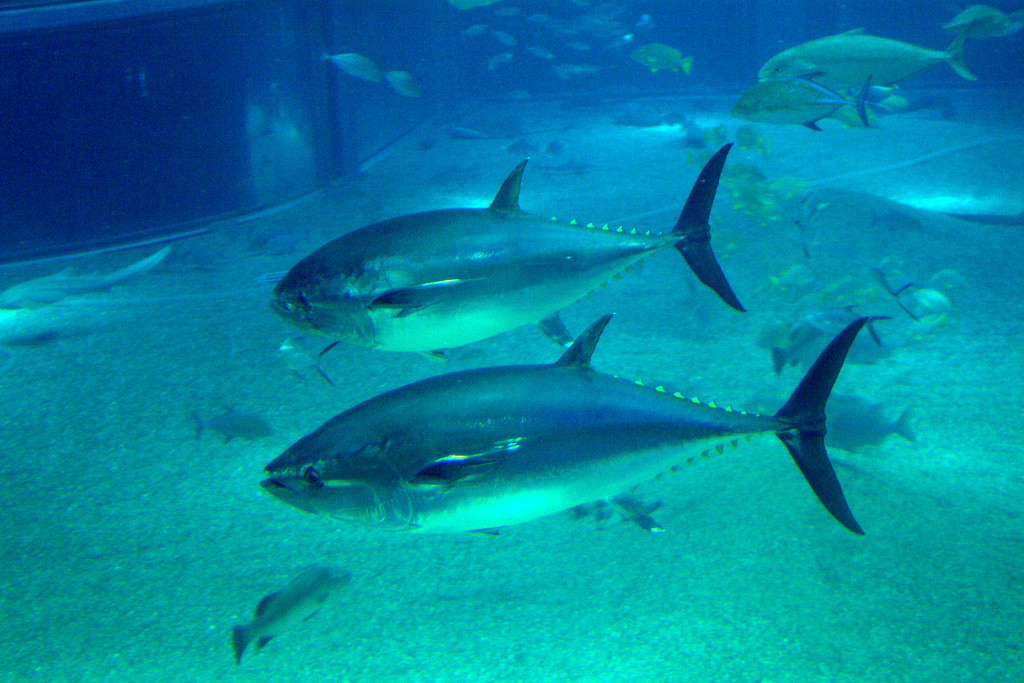
Cautious fish evolve out of marine reserves

Photo by Matana_and_Jes, Flickr

Photo by Matana_and_Jes, Flickr

New research supports the creation of more marine reserves in the world’s oceans because, the authors say, fish can evolve to be more cautious and stay away from fishing nets.

The research suggests that by creating additional “no-take” areas, some fish will stay within marine reserves where they are protected from fishing. While other fish will move around the ocean, these less mobile fish will continue to live in the protected areas, pass this behaviour on to their offspring, and contribute to future generations, increasing the overall stock.
Continue reading

The Women in the Sea Around Us

It is no secret that the proportion of women in science, technology, engineering and math (STEM) is much lower than that of men. According to the global non-profit organization Catalyst, women accounted for less than a third (28.4 per cent) of those employed in scientific research and development across the world in 2013.

In Canada specifically, the percentage of women working in the STEM fields has increased only by 2 per cent in the past three decades to 22 per cent in 2015 from 20 per cent in 1987.

Things are slowly improving, but there is still a long way to go. This is why at the Sea Around Us we thought it was important to introduce you, our readers, to the female scientists whose work is key to the success of our project.

Continue reading

Challenges in West Africa

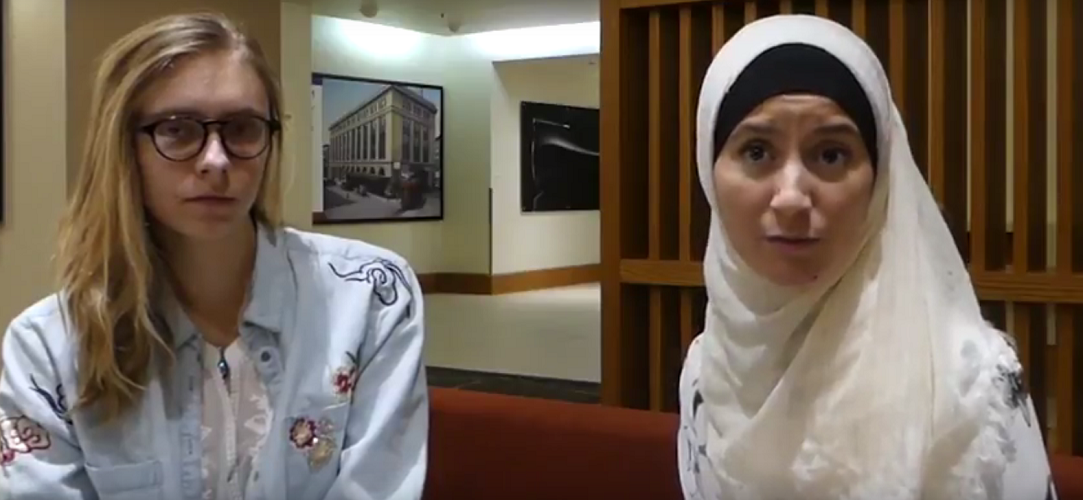
Sarah Popov and Dyhia Belhabib.

Without a doubt, team efforts generate the best results.

With this mindset, a couple of scientists embarked on a journey to West Africa on February 18, 2017.

Dyhia Belhabib, Program Manager-Fisheries for Ecotrust Canada and a West Africa advisor to the Sea Around Us, and Sarah Popov, a research assistant at the Sea Around Us, were invited to Senegal by the MAVA Foundation with the aim of meeting a range of fisheries stakeholders and addressing the main challenges the subregion’s fishing sector is facing.

Senegal was the country of choice because that is where West Africa’s Fisheries Commission is based.

Dyhia Belhabib and Sarah Popov explain more in the following video.

Continue reading

ON VIDEO: Daniel Pauly and the Global Atlas of Marine Fisheries

The Aquatic Ecosystems Research Laboratory 120 was packed and people on social media were frantically asking about how to join the Facebook Live stream.

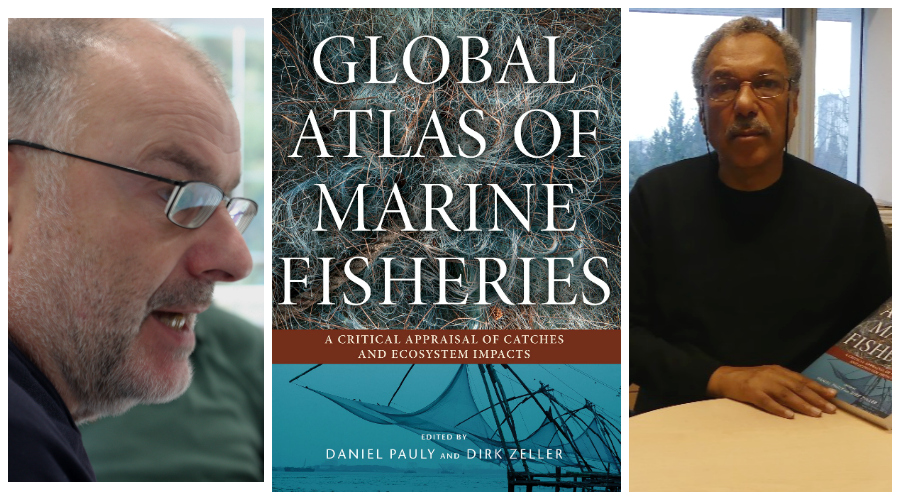
For over an hour, the Sea Around Us Principal Investigator, Daniel Pauly, presented the methods and findings in the Global Atlas of Marine Fisheries, which he published in late 2016 together with Dirk Zeller.

For those who could not be in attendance, the IOF’s communications department prepared series of videos that capture the highlights from Pauly’s presentation.

Continue reading

IOF Seminar Series: Global Atlas of Marine Fisheries

On February 17, 2016 the Sea Around Us‘ Daniel Pauly and Dirk Zeller will be sharing their views on the importance of the Global Atlas of Marine Fisheries, the first book to provide accurate, country-by-country fishery data.

Their presentation is part of the IOF Seminar Series held every Friday at the Aquatic Ecosystems Research Laboratory 120, located at the University of British Columbia 2202 Main Mall, Vancouver. Continue reading