Aquatic animals that breathe through gills — including most fish and many invertebrates — are the backbone of life in oceans, lakes and rivers. They support biodiversity, shape food webs and sustain fisheries that feed millions of people worldwide. Understanding how these animals grow, reproduce and survive is therefore essential to understanding how aquatic ecosystems work — and how they continue to support human societies.
Tag: Daniel Pauly
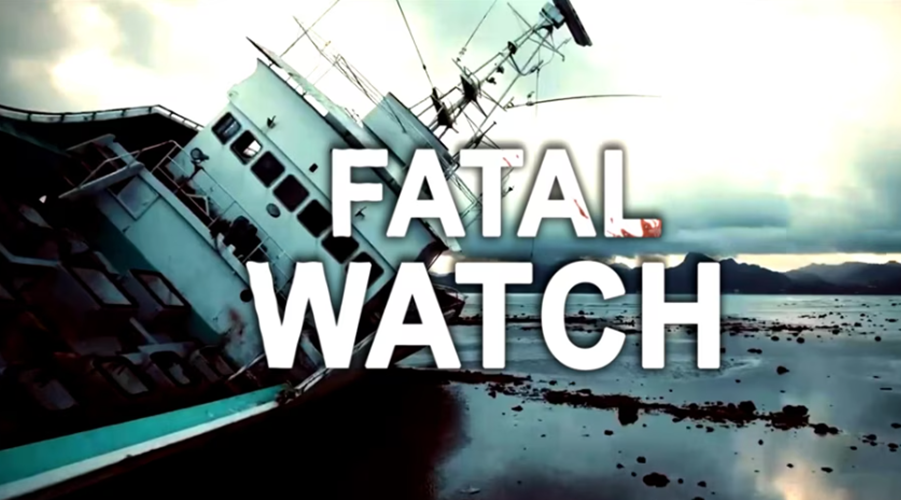
Between profit and principle: Fatal Watch exposes the human price of the global tuna industry
Labour and human rights abuses, overfishing, unreported, unregulated and illegal fishing, all spurred by subsidies provided to distant-water fishing fleets, are some of the most pervasive practices linked to the global seafood industry.
Witnessing and reporting on all of this are fisheries observers. Often scientists – marine biologists or ecologists –, fisheries observers are tasked by national frameworks, regional bodies, or international fisheries organizations with gathering information that supports sustainable fisheries management. Some are hired by the fishing companies they monitor.
Animal-welfare models fail to account for fish’s need for oxygen

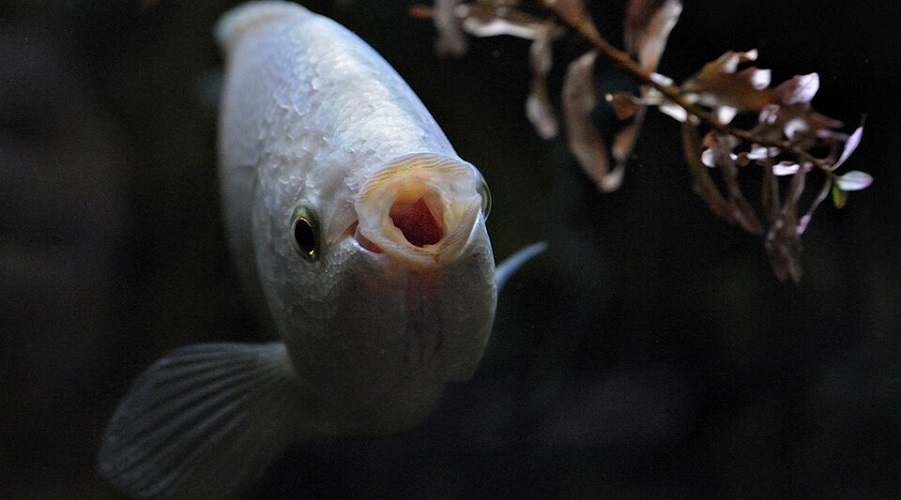
Helostoma temminckii or kissing gourami. Image by Jörn, Wikimedia Commons.
A new essay published in Issues in Science and Technology argues that current animal welfare science and policy frameworks overlook a fundamental aspect of the lives of fish and other aquatic “water-breathing” species — and calls for a shift in how governments, researchers, and industry assess humane treatment in aquaculture, research, commercial fisheries, and in the wild.
A film festival on the sea in a landlocked French town

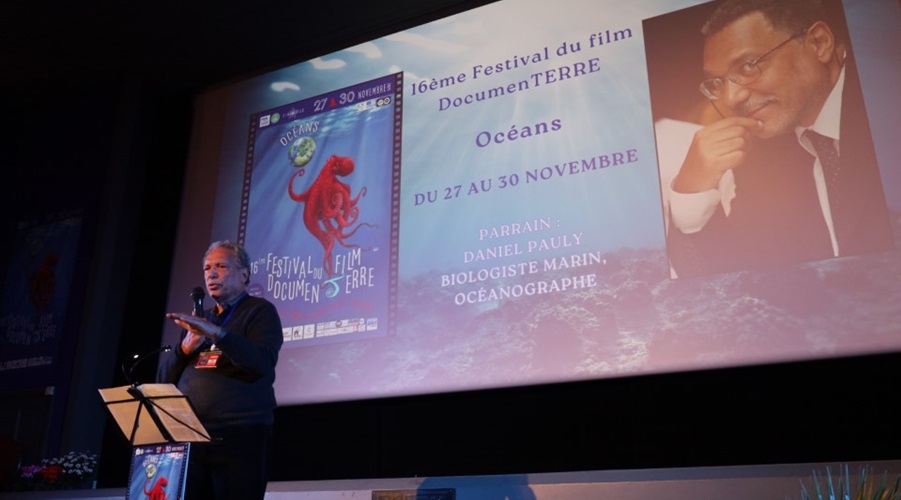
Daniel Pauly at the DocumenTerre Film Festival in Montignac-Lascaux , November 2025. Photo by DocumenTerre.
The 16th edition of the DocumenTerre Film Festival, which takes place on an annual basis in Montignac-Lascaux in southwestern France, had, this year, a special focus on the oceans.
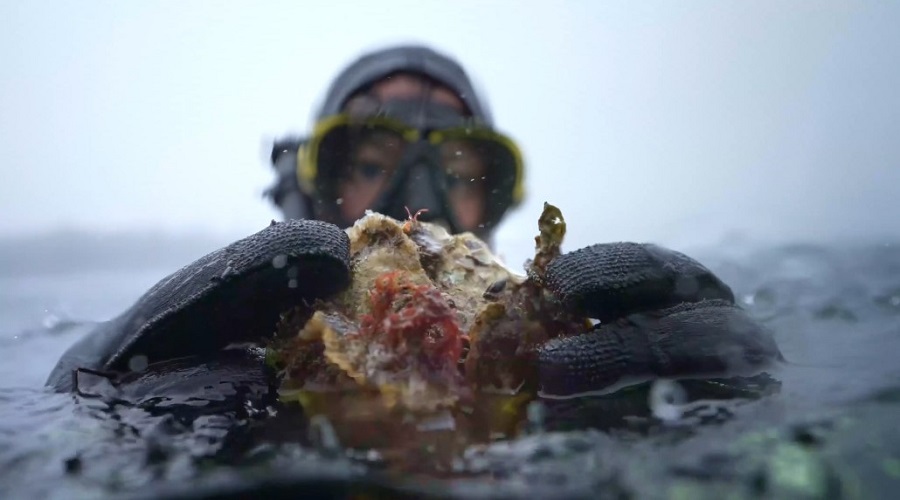
Efforts to rebuild Hong Kong oyster reefs now on film
Pearls, aphrodisiac concoctions, and Asian sauces. When we, ‘moderns,’ think about oysters, we rarely connect them to the substrate of a city.
Hong Kong and its Pearl River Delta area, as it turns out, have been built both structurally and socio-culturally atop what used to be extensive oyster reefs. However, these ecosystems have been decimated by dredging for lime and mega-city development.