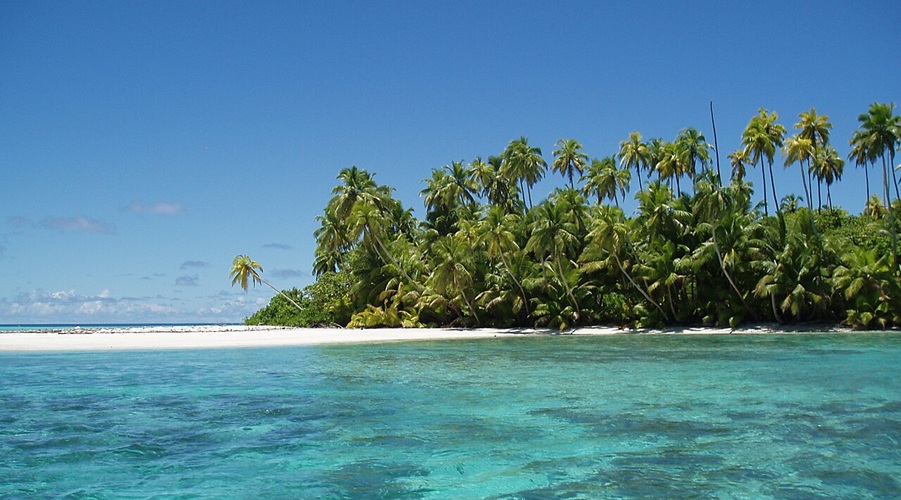
Salomon Atoll in the Chagos Archipelago.

As Chagos governance is slated to shift, new research reveals the true scale of fishing

Salomon Atoll in the Chagos Archipelago.

Salomon Atoll in the Chagos Archipelago. Photo by Charles and Anne Sheppard, Wikimedia Commons.

Domestic fisheries catches in the Chagos Archipelago are 25 times higher than official statistics show, according to a recent study by Sea Around Us – Indian Ocean and Sea Around Us researchers.

At a moment when the fate of the island group also known as the British Indian Ocean Territory is uncertain, a new paper in the Journal of the Indian Ocean Region highlights the importance of accounting for all fish removals to safeguard the area’s biodiversity values.

Continue reading

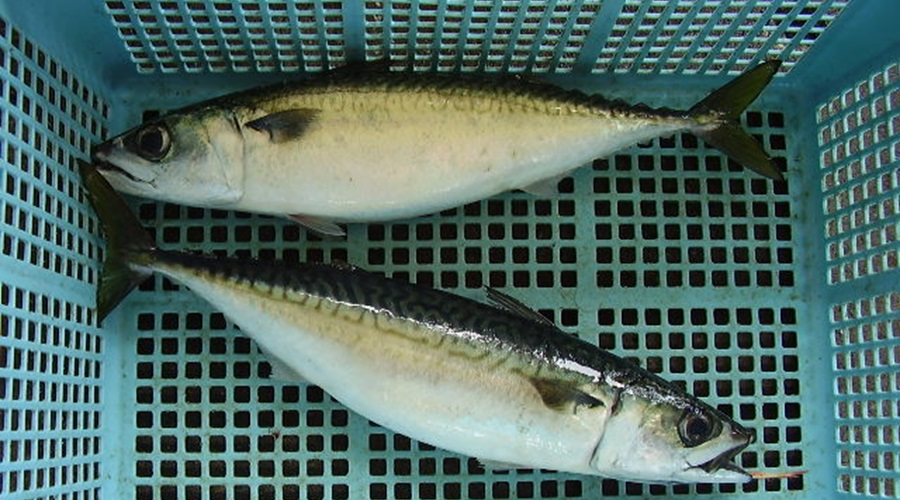
Two specimens of chub mackerel in a basket

Mean Temperature of the Catch now available on Sea Around Us website

Two specimens of chub mackerel in a basket

Global warming is expected to push stocks of highly migratory straddling species in the Indo-Pacific, such as chub mackerel, from EEZs toward the high seas by mid-century. Photo by Matsumomushi, Wikimedia Commons.

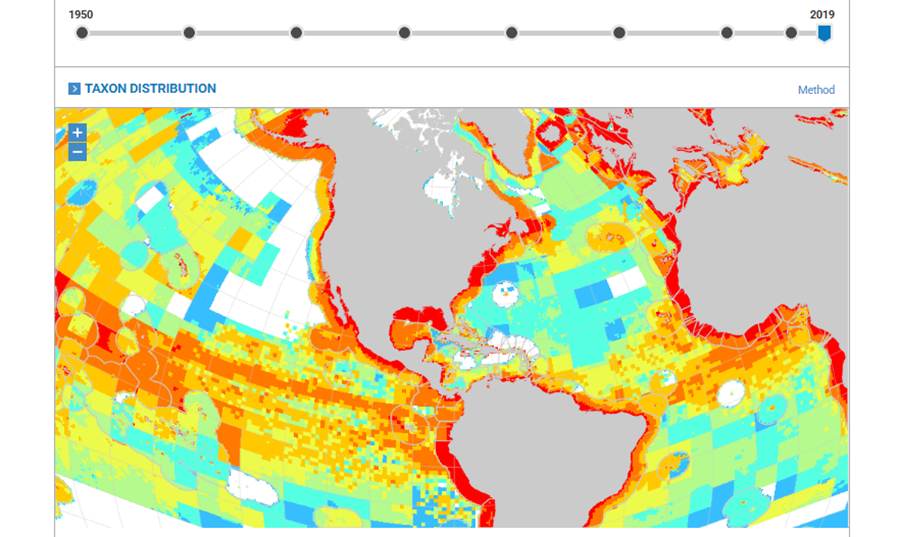
Sea Around Us website users will now be able to access the Mean Temperature of the Catch (MTC), as an ecosystem indicator derived from the reconstructed catches of a large fraction of the 283 Exclusive Economic Zones (EEZs) presented on our website.

Continue reading

Fisherman Casting Net at Sunset in Mandalay.

World Fisheries Day 2025: Using Sea Around Us data to support a Blu(er) Economy

Fisherman Casting Net at Sunset in Mandalay.

Fisherman casting net at sunset in Mandalay. Photo by Pyae Phyo Aung, Pexels.

Official statistics from most coastal countries only account for a fraction of what their fisheries catch, the Sea Around Us data and analyses have demonstrated.

As we observe World Fisheries Day 2025, which aims to highlight the importance of promoting sustainable fish stocks and the rights of small-scale fishing communities, it is crucial to remember that without comprehensive data, managing sustainable fisheries is akin to flying blind.

Continue reading