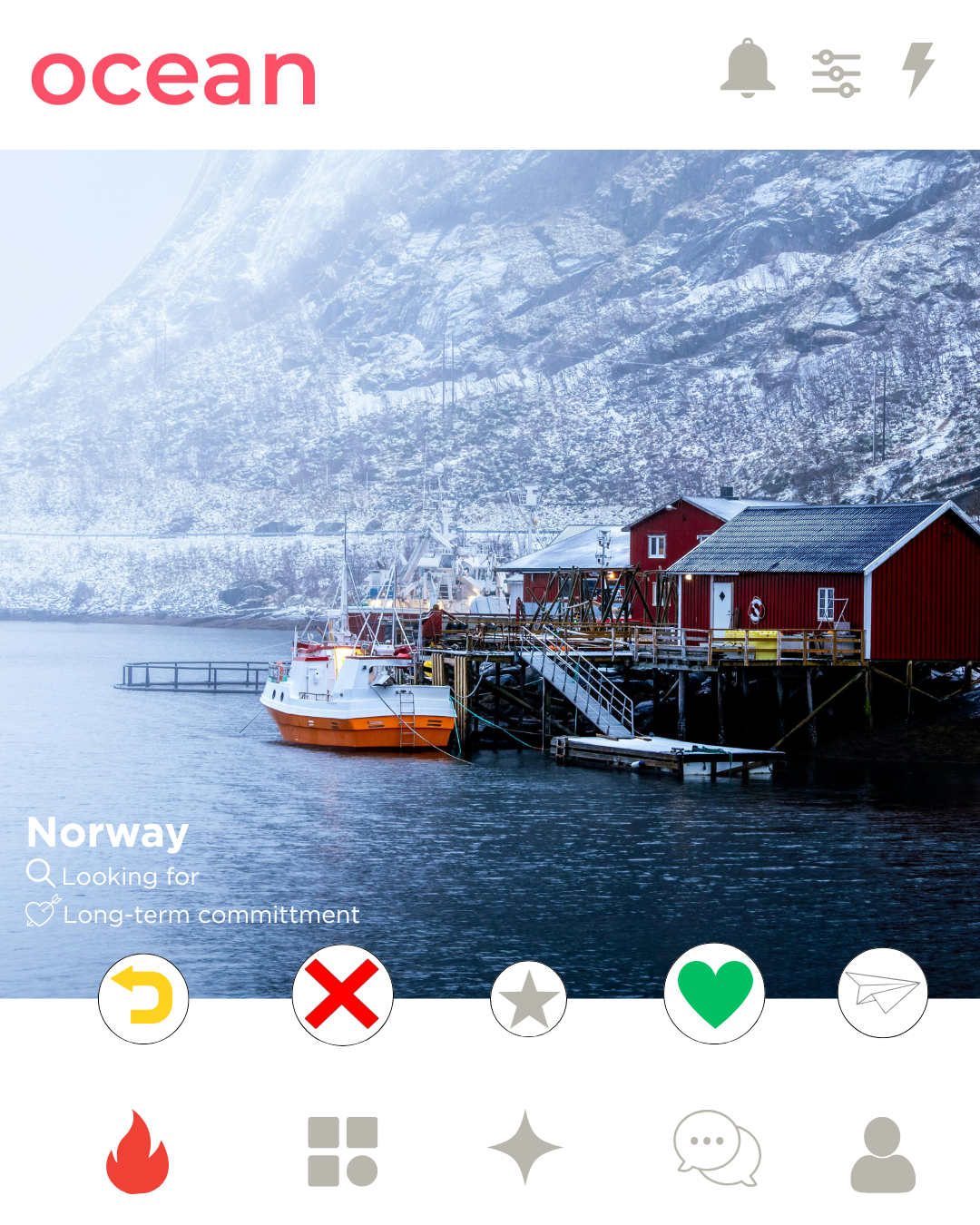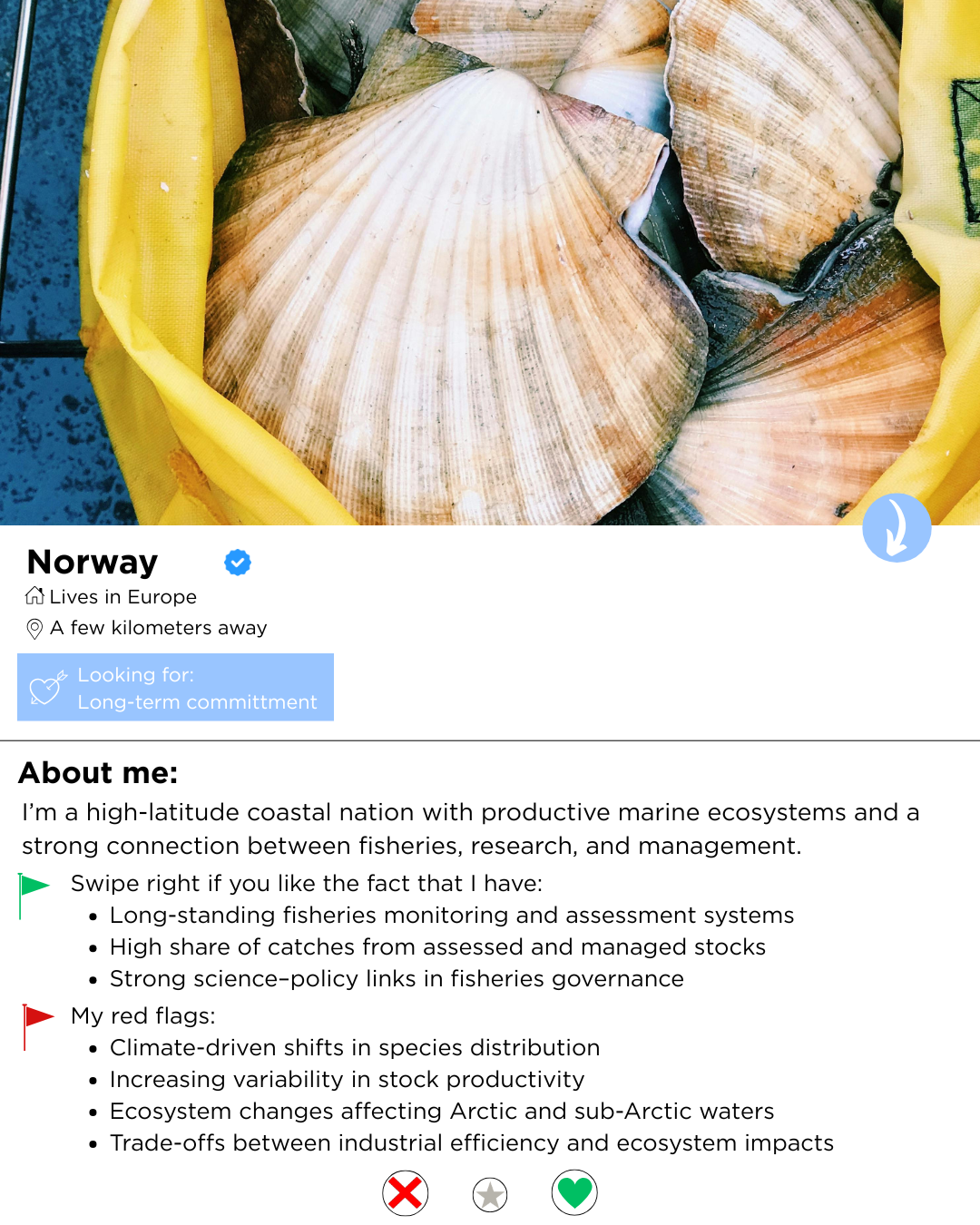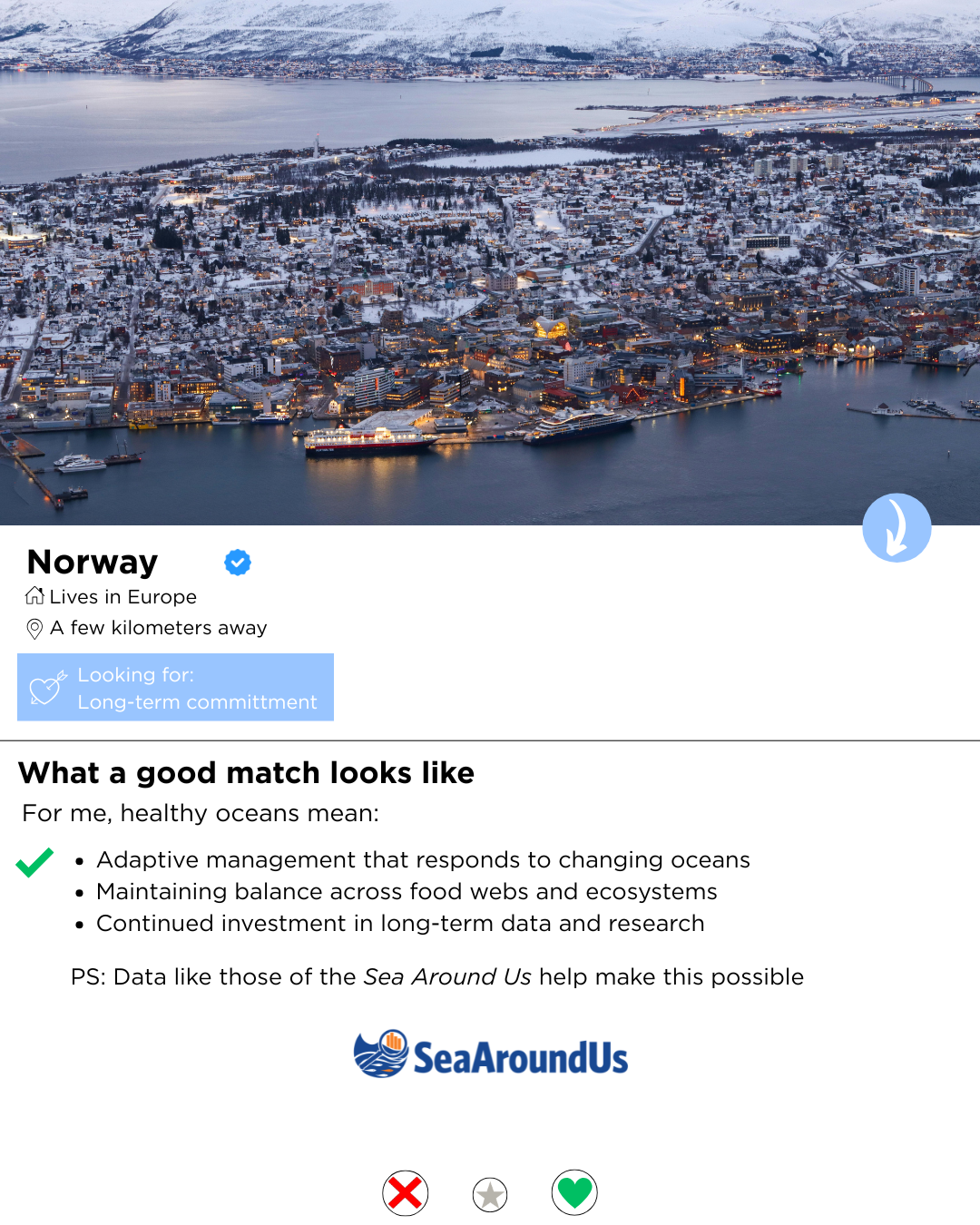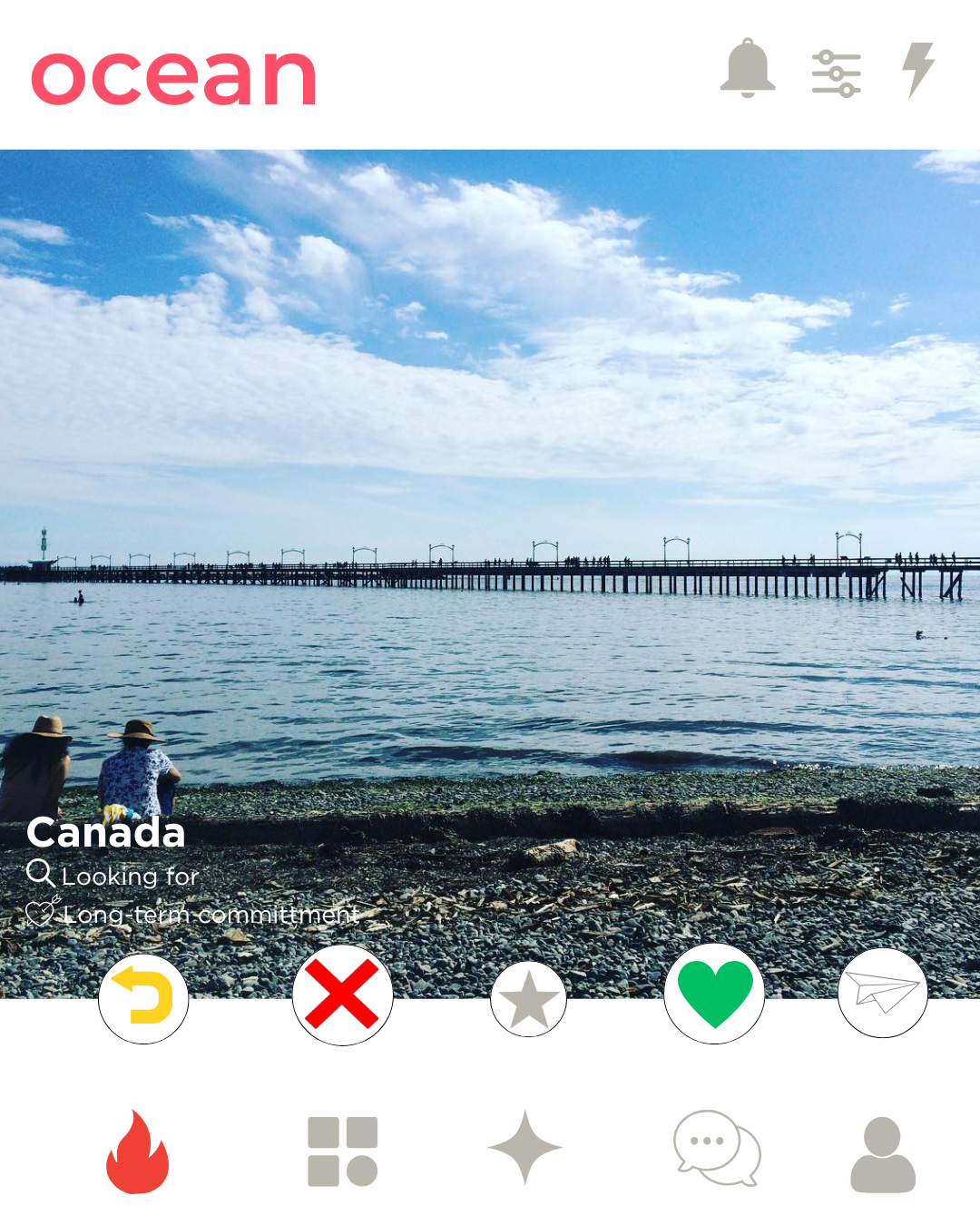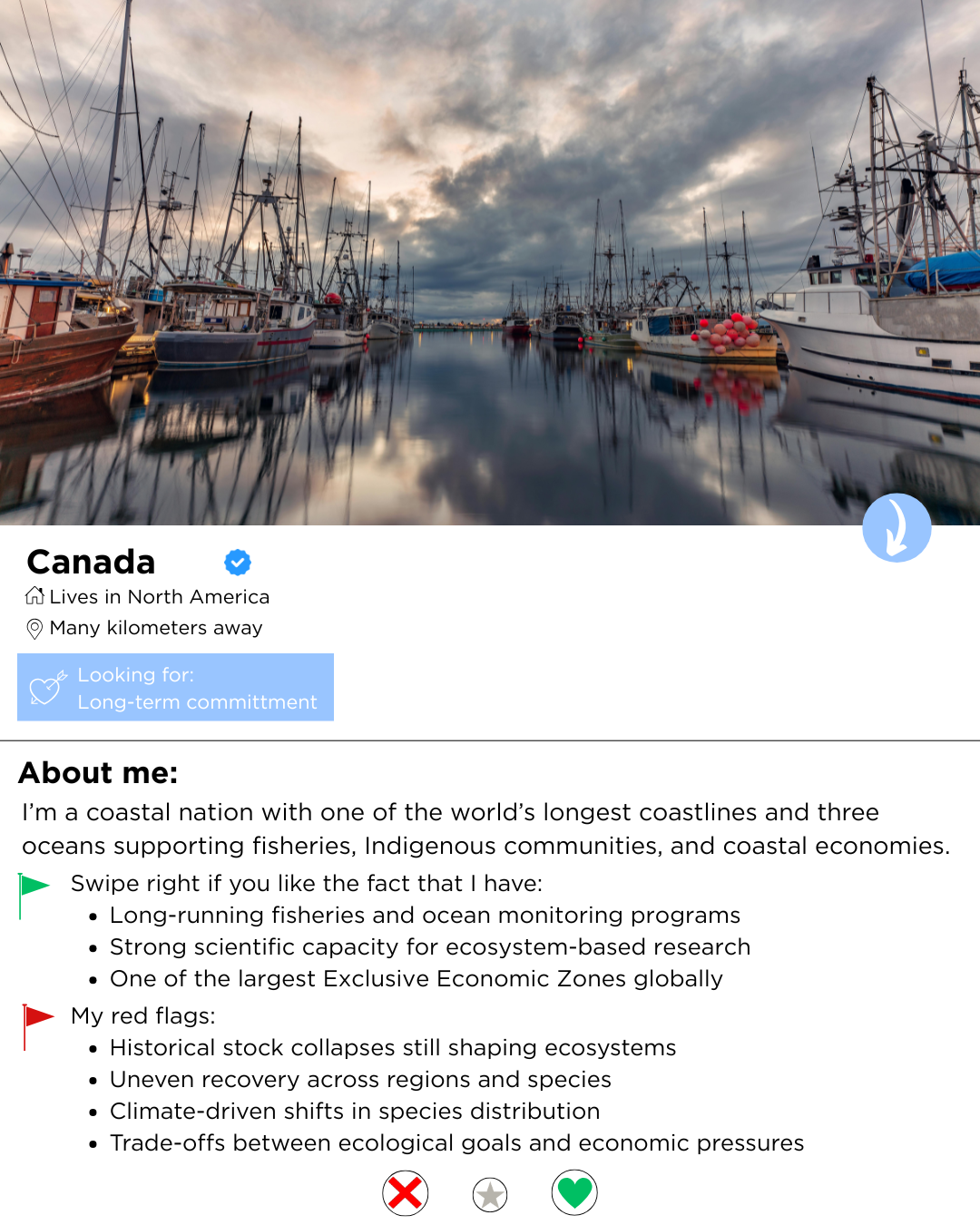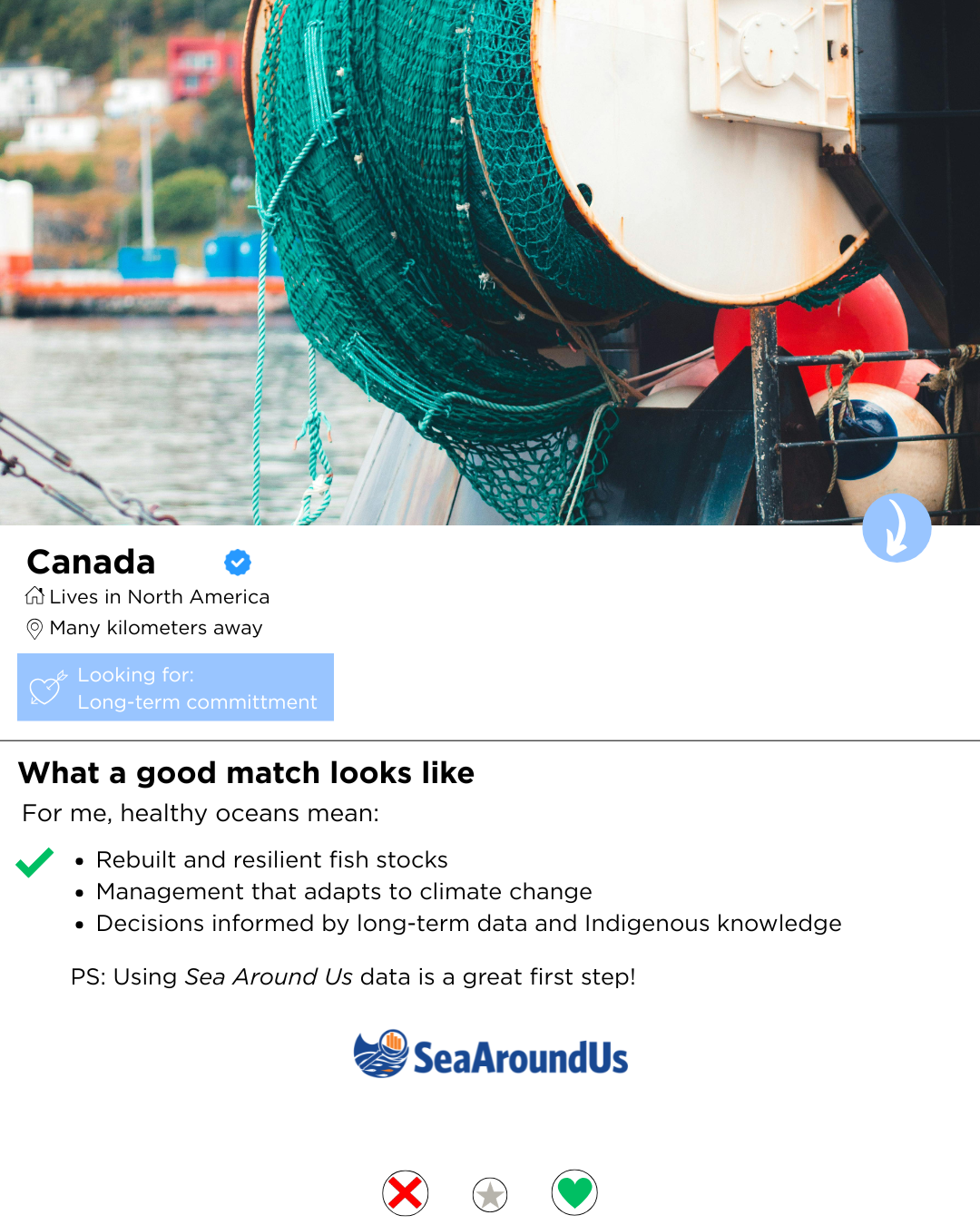

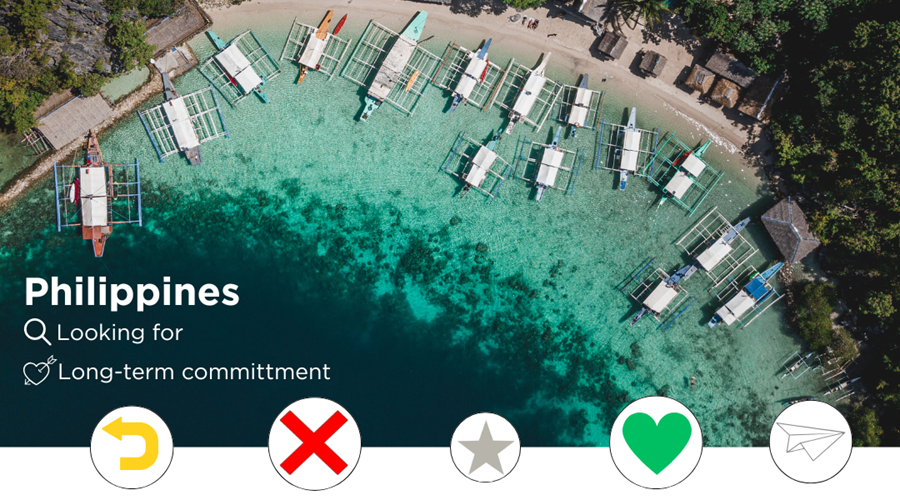
In thinking about February as Valentine’s Month, we invited our social media followers to “swipe right for healthy oceans.”
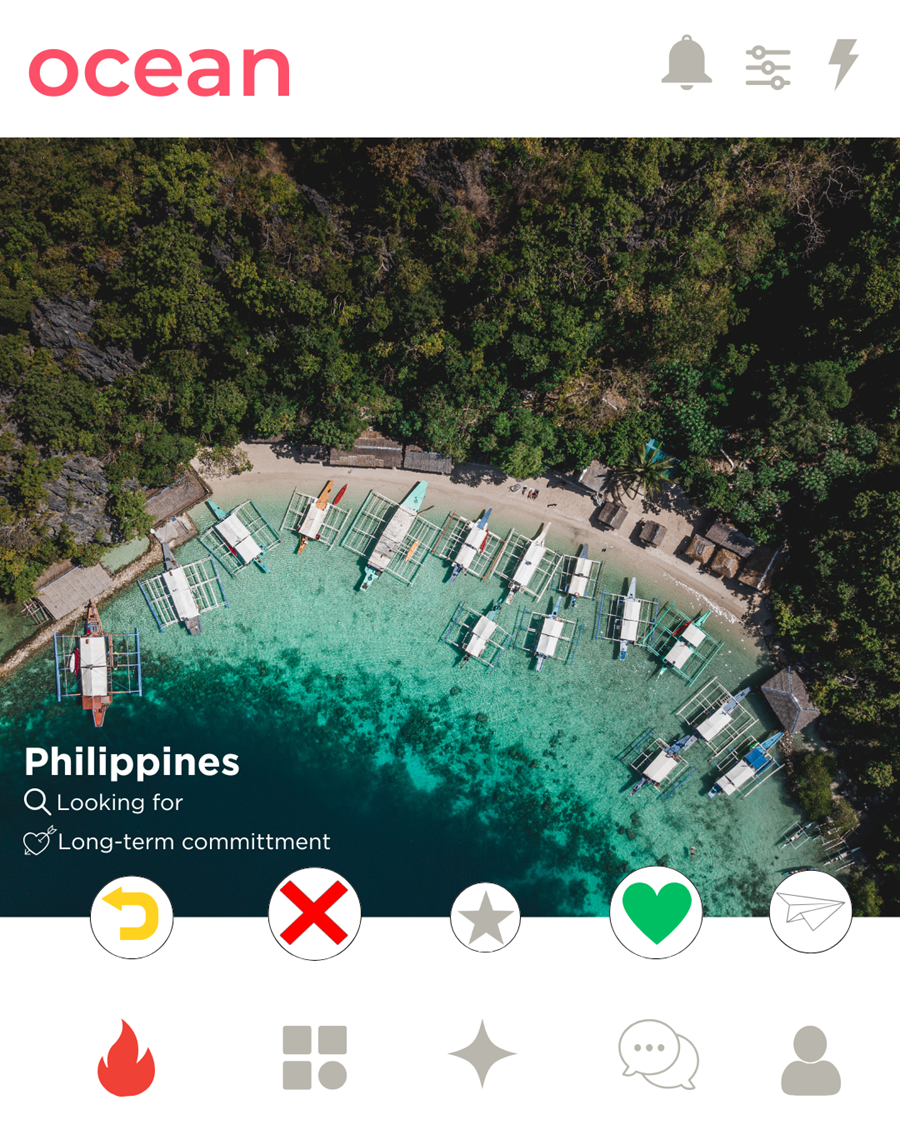
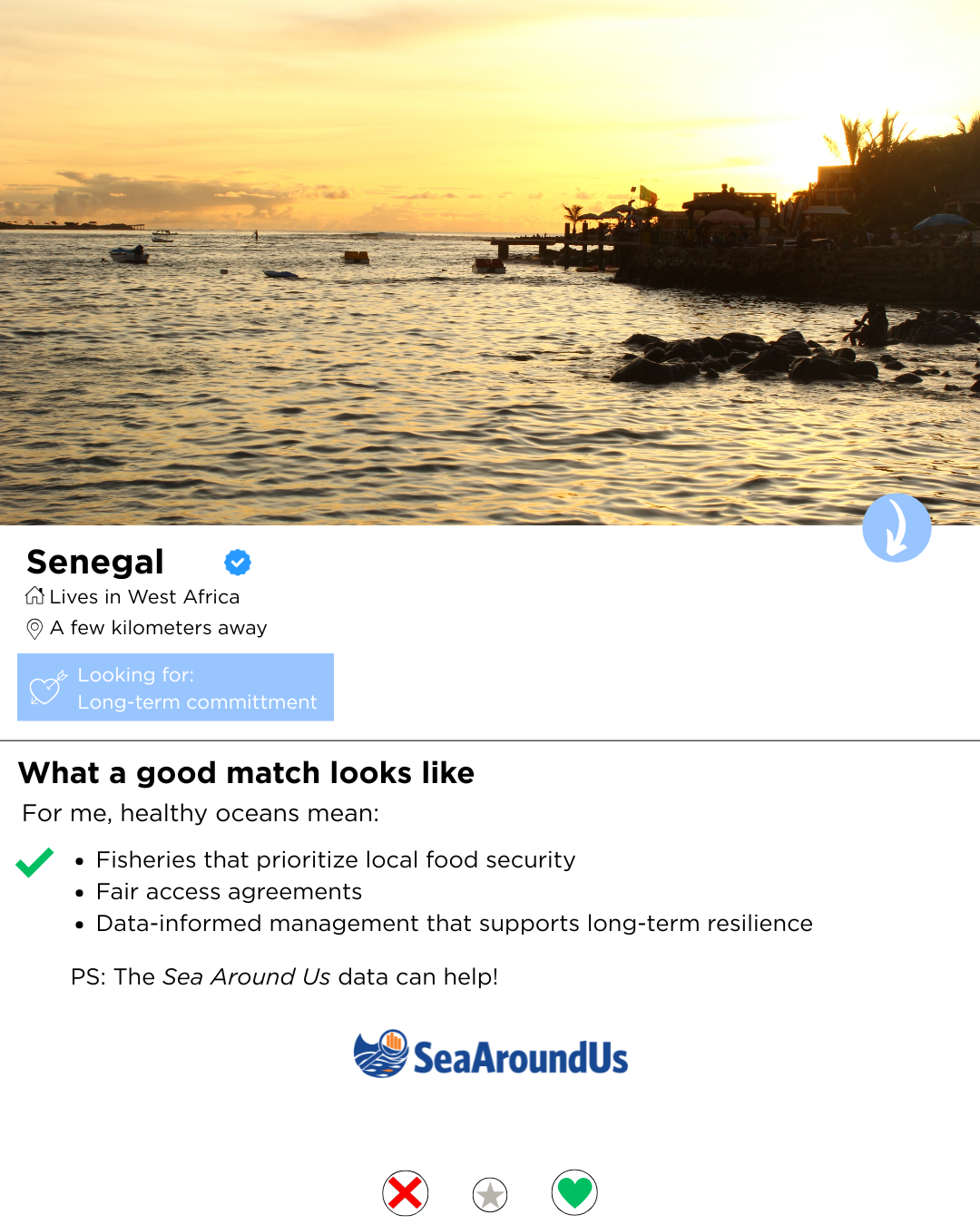
In a series of four posts showcasing country snapshots and designed to mimic a dating app interface, we presented how the Sea Around Us‘ fisheries data help us explore what ocean health looks like in different parts of the world. Each post highlights key strengths and challenges, grounded in catch reconstructions, stock assessments, and nutrition data.
In countries like the Philippines and Senegal, fisheries are deeply connected to food security and livelihoods. Small-scale fisheries support millions of people, and fish provide essential nutrients in national diets. At the same time, high fishing pressure on coastal stocks and the growing gap between where fish are caught and where they are consumed raise important questions about long-term resilience.
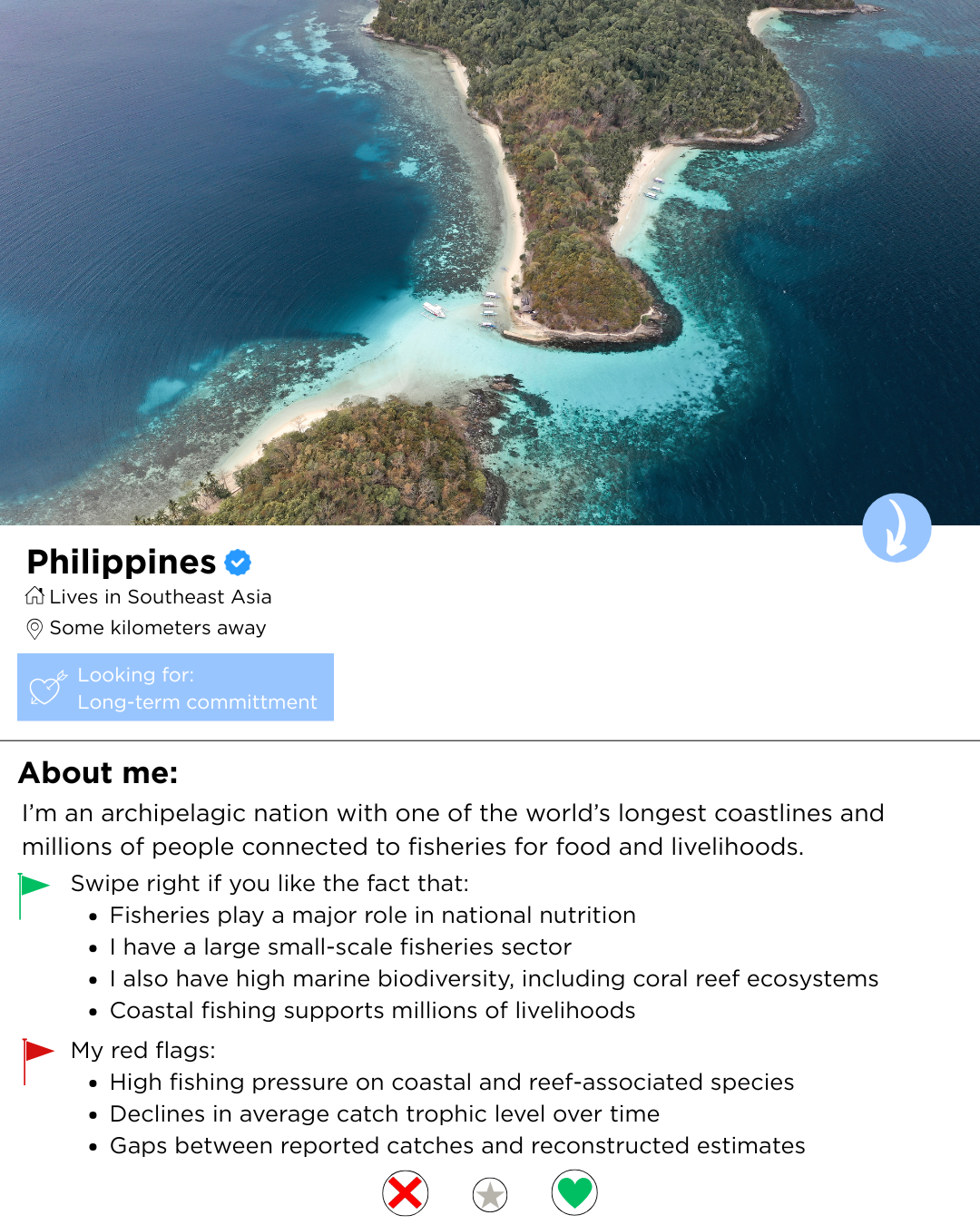
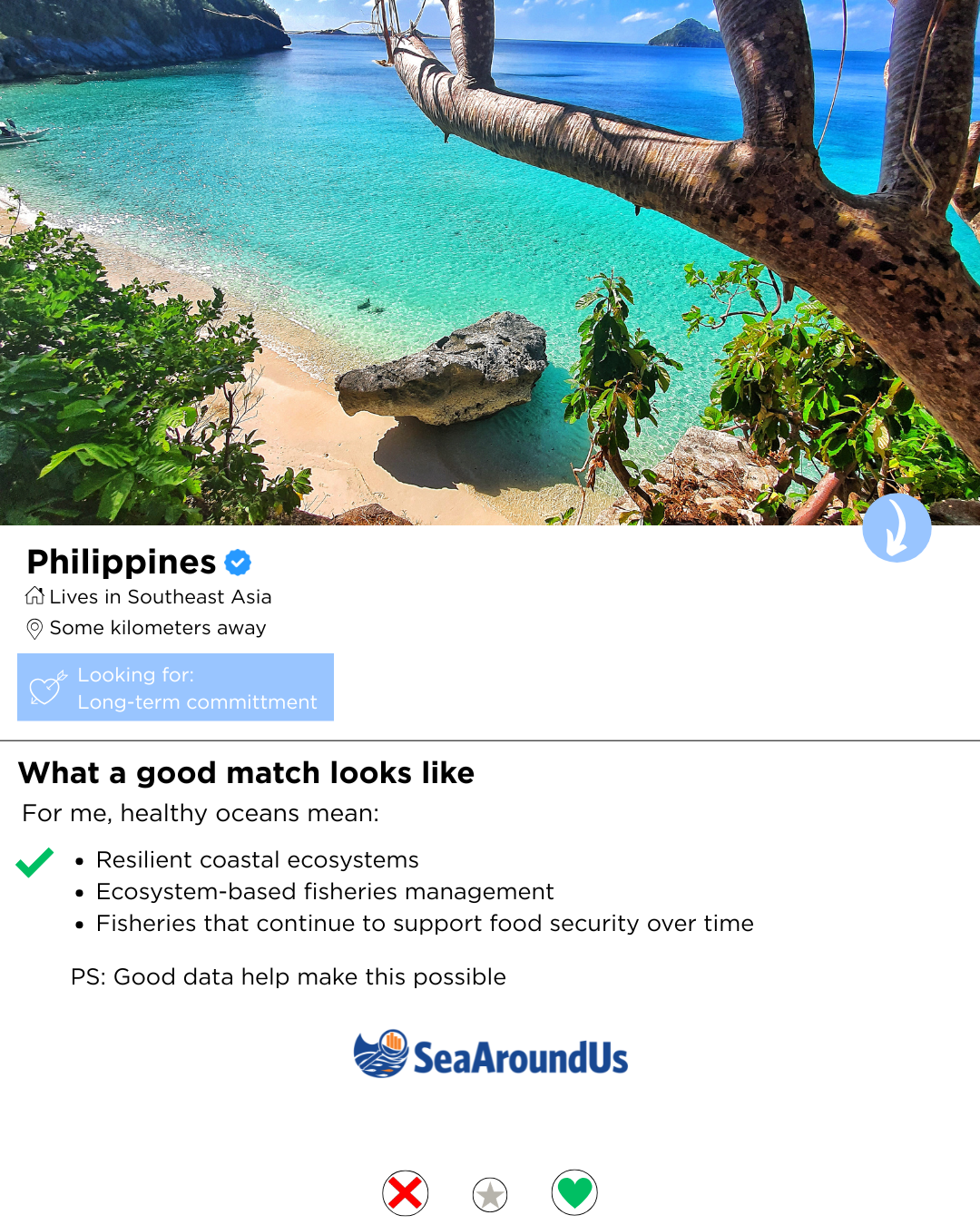
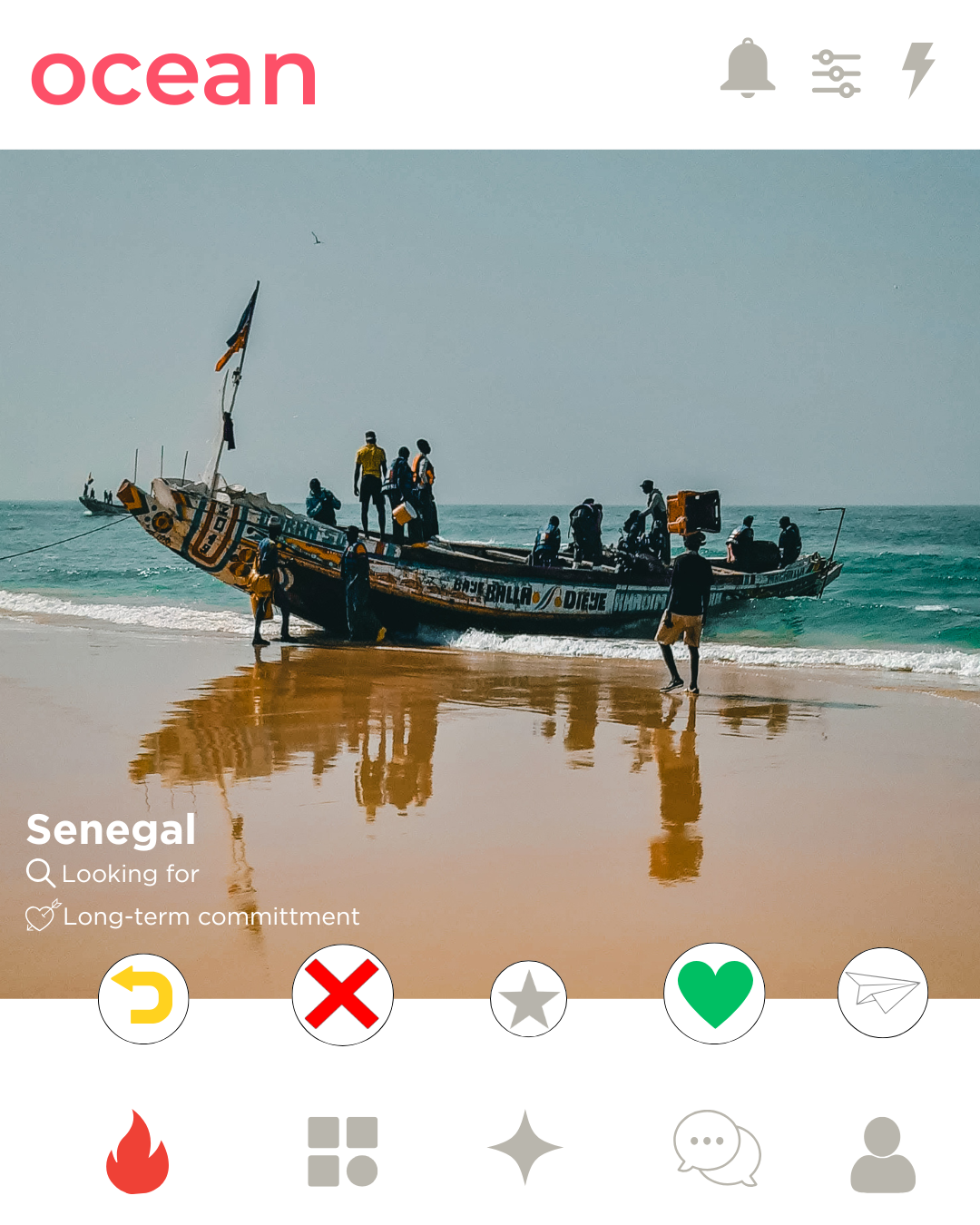
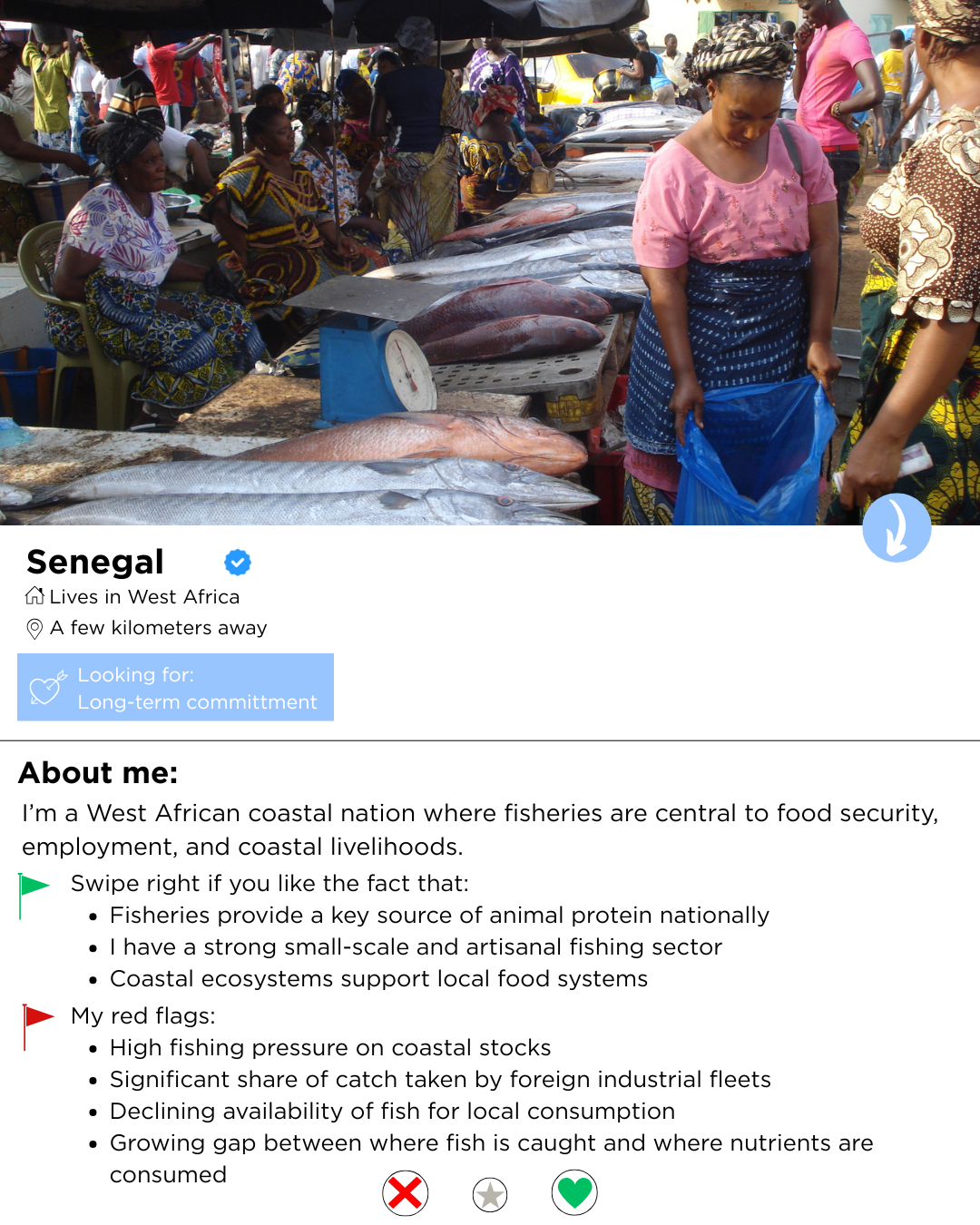
In higher-latitude nations such as Canada and Norway, long-term monitoring and strong scientific capacity shape fisheries management. Large Exclusive Economic Zones and decades of data support evidence-based decisions. Yet climate-driven shifts in species distribution and uneven stock recovery show that even data-rich systems face complex and evolving challenges.
Across all four countries used as case studies, one message stands out: healthy oceans depend on balance, resilience, and good information. By presenting fisheries data in a visual, accessible way, this series connects ocean science to everyday conversations—reminding us that strong relationships, like healthy ecosystems, require long-term thinking.