Photo by WWF.

Nothing natural about nature’s steep decline: WWF report reveals staggering extent of human impact, including that of fisheries, on planet

Photo by WWF.

Photo by WWF.

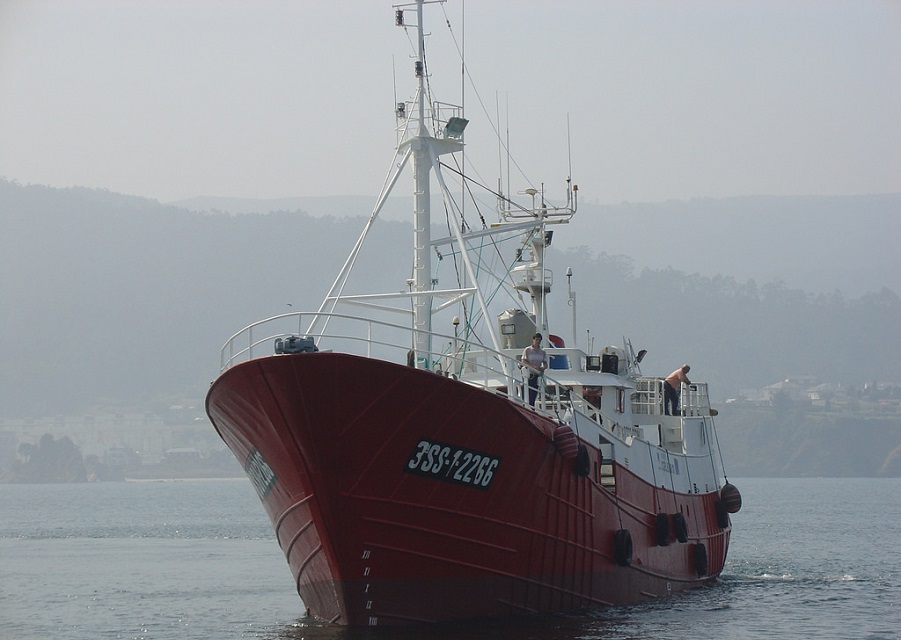
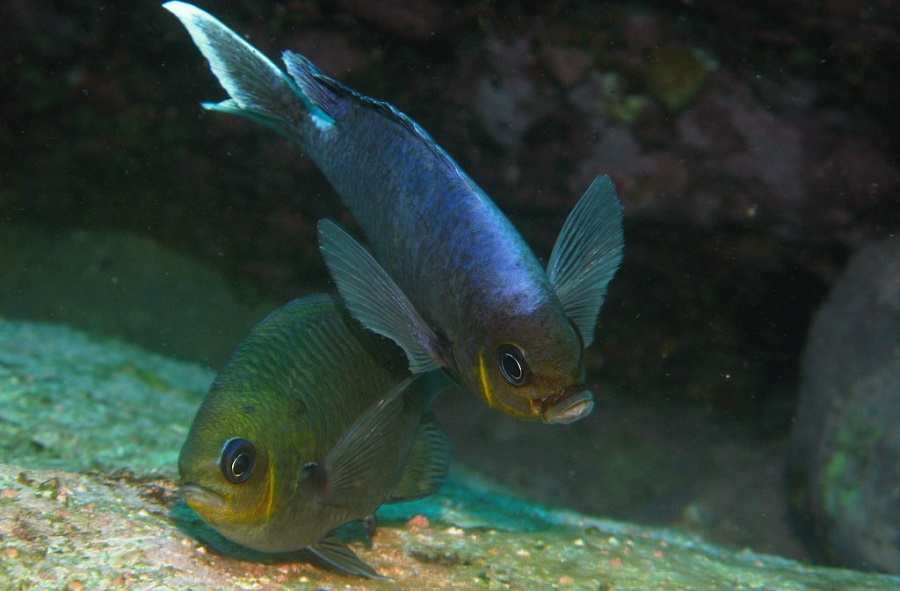
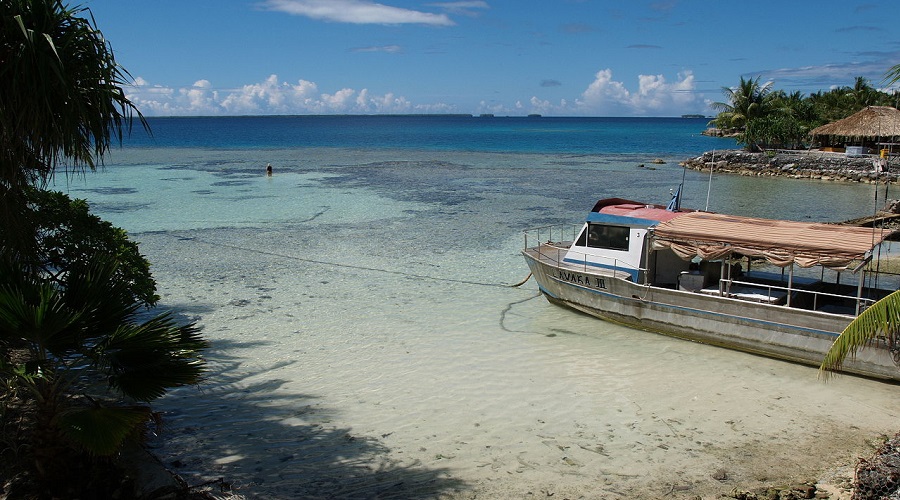
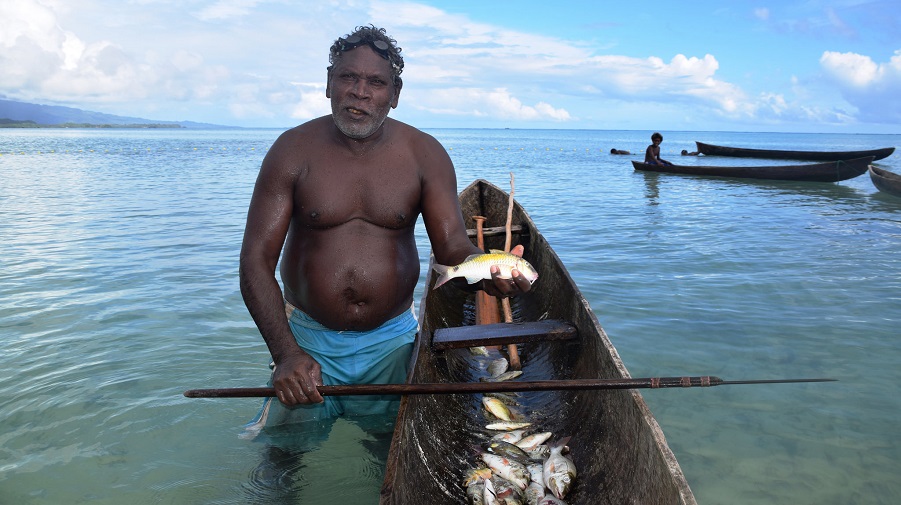
Humanity and the way we feed, fuel and finance our societies and economies are pushing nature and the services that power and sustain us to the brink, according to WWF’s Living Planet Report 2018. The report, released today, presents a sobering picture of the impact of human activity on the world’s wildlife, forests, oceans, rivers and climate, underlining the rapidly closing window for action and the urgent need for the global community to collectively rethink and redefine how we value, protect and restore nature.

The Living Planet Report 2018 presents a comprehensive overview of the state of our natural world, twenty years after the flagship report was first published. Through indicators such as the Living Planet Index (LPI) provided by the Zoological Society of London, the Species Habitat Index (SHI), the IUCN Red List Index (RLI), the Biodiversity Intactness Index (BII) and the Sea Around Us fisheries data, as well as Planetary Boundaries and the Ecological Footprint, the report paints a singular disturbing picture: human activity is pushing the planet’s natural systems that support life on earth to the edge.

Continue reading

PaulAllen_CommemorativeImage_660

The Sea Around Us laments the passing of Paul G. Allen

PaulAllen_CommemorativeImage_660


It is with great sadness that the Sea Around Us team received the news about the passing of Mr. Paul G. Allen.

As informed by his company and our project’s partner, Vulcan Inc., Allen passed on Monday, October 15, 2018. We extend our deepest condolences to his family, friends, and coworkers.

In his role as philanthropist, community builder, and conservationist, Allen supported the Sea Around Us for three years. We are thankful for having had the opportunity to work alongside such a generous person.

Photo by RSiS.

Cooperation in the South China Sea

Photo by RSiS.

Photo by RSiS.

In September 2018, the Sea Around Us Principal Investigator, Daniel Pauly, traveled to Singapore to take part in a conference titled “The South China Sea Fisheries Cooperation: Progress, Problems and Prospect,” which was organized by Nanyang Technological University’s S. Rajaratnam School of International Studies.

As keynote speaker, Dr. Pauly gave an overview of the fisheries in the South China Sea. Using the Sea Around Us catch reconstructions of the countries in the area, he explained who is catching what, and outlined major trends in catch composition and catch per effort.

Continue reading

Photo by Naka9707, Wikimedia Commons, CC BY-SA 4.0.

Appetite for luxurious shark fin soup drives massive shark populations decline

Photo by Naka9707, Wikimedia Commons, CC BY-SA 4.0.

Photo by Naka9707, Wikimedia Commons, CC BY-SA 4.0.

Populations of some shark species such as hammerhead and oceanic whitetip have declined by over 90 per cent in recent years largely because of wealthy consumers’ growing appetite for fin soup, a new paper in Marine Policy states.

The study by researchers from the University of Hong Kong, the Sea Around Us initiative at the University of British Columbia and WildAid Hong Kong, reveals that since fishing pressure on threatened shark populations has increased dramatically in recent years, it is urgent for consumers to stop demanding shark fin products.

Continue reading

Atlantic cod. Photo by Hans-Petter Fjeld, Wikimedia Commons.

Half of Russian catches in the Barents Sea thrown overboard

Atlantic cod. Photo by Hans-Petter Fjeld, Wikimedia Commons.

Atlantic cod. Photo by Hans-Petter Fjeld, Wikimedia Commons.

Russian fishing fleets operating in the Barents Sea dumped 42.7 million tonnes of good fish back into the ocean over the past 65 years according to new research. Thankfully, fishing practices have improved in recent years.

The study by researchers with the Sea Around Us at the University of British Columbia, and the Sea Around Us – Indian Ocean at the University of Western Australia, reveals that 55 per cent of the total catch taken by Russian fishers from the Barents Sea was discarded due to poor fishing practices and inadequate management.

Continue reading