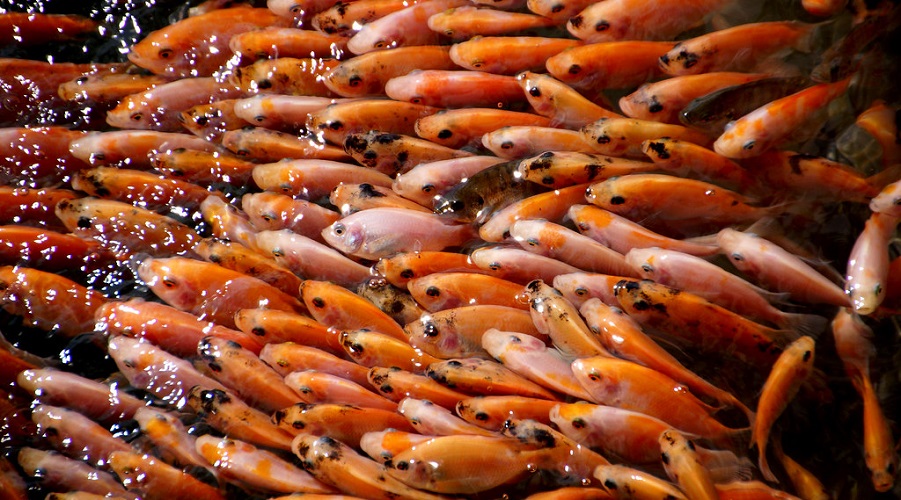
Tilapia in a fish farm. Photo by Aqua Mechanical, Flickr.
Trends in global aquaculture growth rates reveal that the 101 million tonnes of farmed fish intergovernmental bodies expect countries to produce by 2030 may be unrealistic.
Continue reading


Tilapia in a fish farm. Photo by Aqua Mechanical, Flickr.
Trends in global aquaculture growth rates reveal that the 101 million tonnes of farmed fish intergovernmental bodies expect countries to produce by 2030 may be unrealistic.
Continue reading
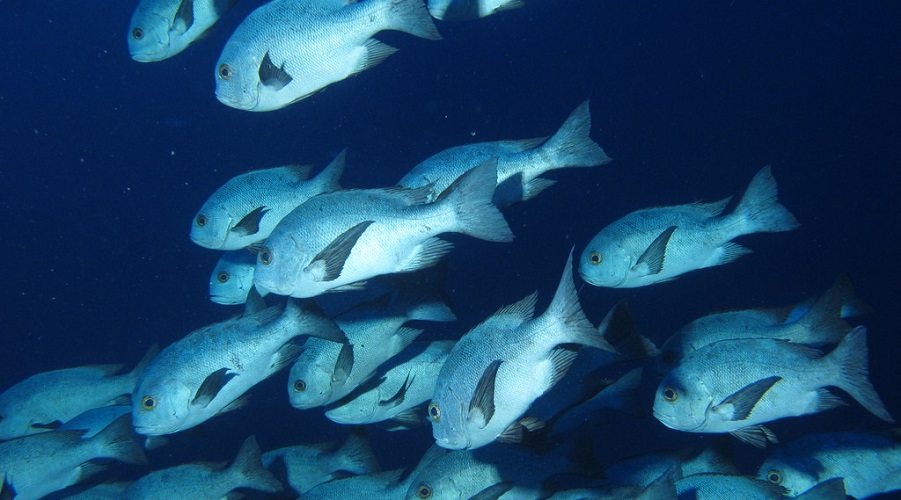
Black Snapper (or black and white snapper), Macolor niger at Gota Sorayer, Red Sea, Egypt. Photo by Derek Keats, Wikimedia Commons.
In a recent piece published in the journal PLOS Biology, the Sea Around Us alumna and NYU professor Jennifer Jacquet, and our principal investigator, Daniel Pauly, ponder the idea of wild fish and invertebrates being considered more like wild animals and less like tradable commodities.
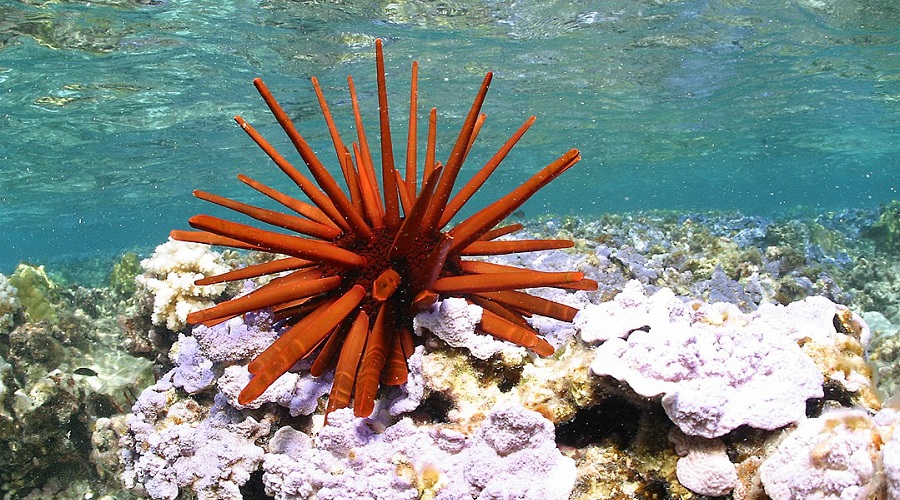
Knowledge provided by local stakeholders such as non-governmental organizations, academics, civil servants, journalists, and fishers can be valuable for evaluating the effectiveness of countries’ marine protected areas (MPAs).
A crucial globally agreed framework to protect the world’s oceans and fisheries is on course to fail, according to a new study led by the University of Portsmouth with collaborators from the Sea Around Us initiative and DIATOM Consulting.
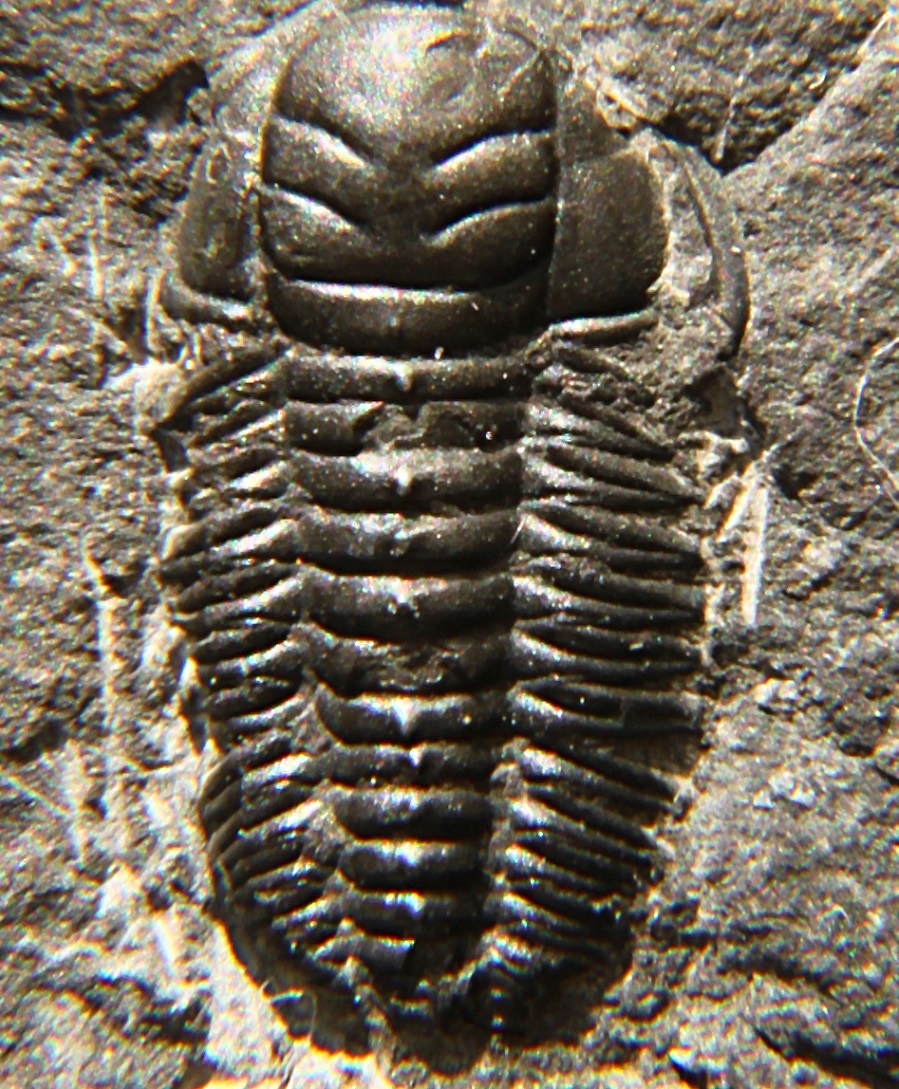
Trilobites- extinct marine arthropods that roamed the world’s oceans from about 520 million years ago until they went extinct 250 million years ago, at the end of the Permian period – may have grown in a similar fashion and reached ages that match those of extant crustaceans, a new study has found.