The looming extinction of the Maui dolphin

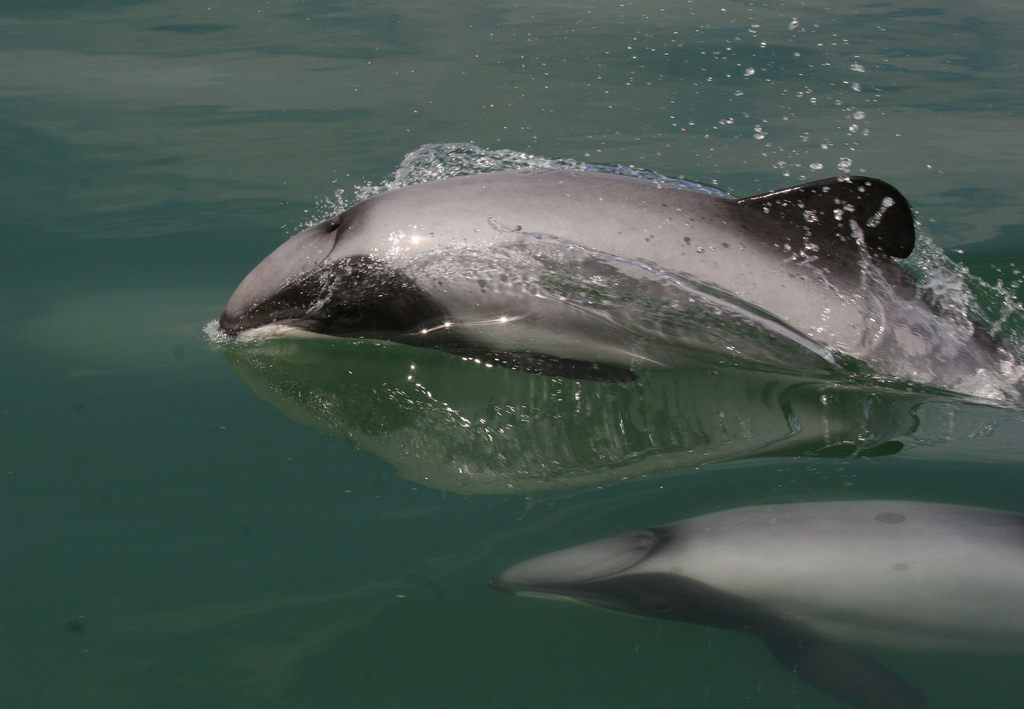
Maui’s dolphin. Photo by New Zealand Department of Conservation, Flickr

The world’s rarest and smallest known subspecies of dolphin, the Maui dolphin, is about to go extinct. Its population is down to 60 individuals from 2,000 in the 1970s.

Journalist Christopher Pala just launched a series of articles focusing on the reasons behind the disappearance of this subspecies of the Hector’s dolphin and the actions governments are taking (or not) to stop the death toll from rising.

Follow this link to read the first article of the series in Science.

Daniel Pauly on the importance of the Albert Ier Grand Medal

As we mentioned in a previous post, last November Sea Around Us principal investigator Dr. Daniel Pauly was conferred the 2016 Albert Ier Grand Medal in the Science category.

In a ceremony held at the Maison des Océans in Paris, Pauly was handed the award by Albert II, Prince of Monaco, and M. Robert Calcagno, General Director of the Institute Océanographique.

Feeling hugely proud and very pleased by the honour, he said that the importance of the distinction is that it helps bring attention to the urgent issues affecting the world’s oceans.

The plan to ban fishing in more than half the world’s oceans

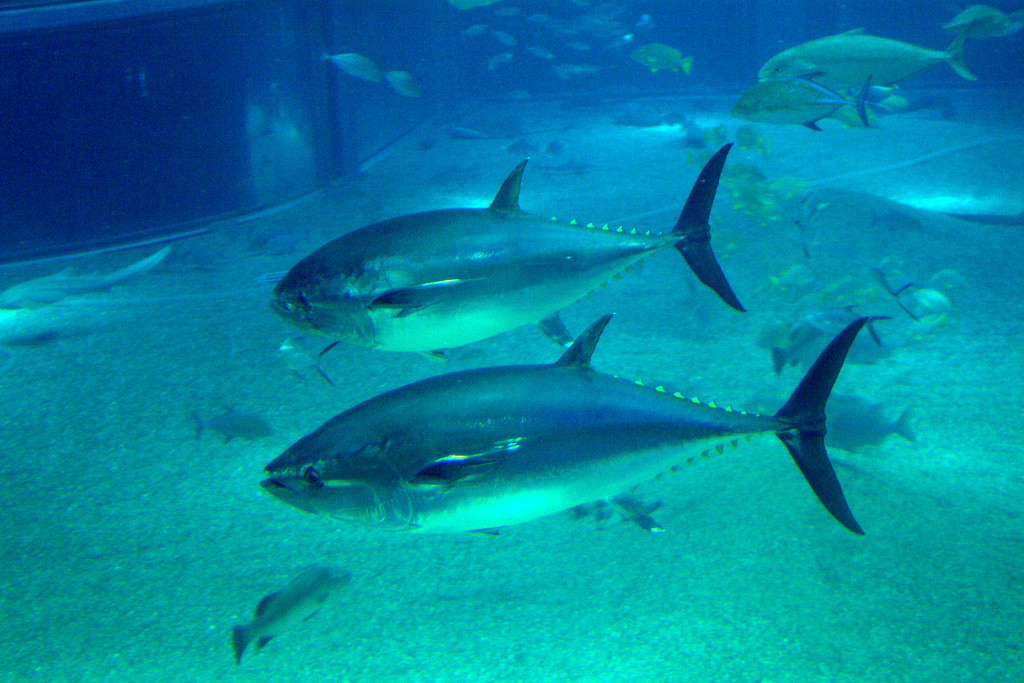
Fishes eye view of the Island Star. Photo by Derek Keats, Flickr.

Fishes eye view of the Island Star. Photo by Derek Keats, Flickr.

This analysis was originally posted in New Scientist, and can be found here.

By James Randerson.

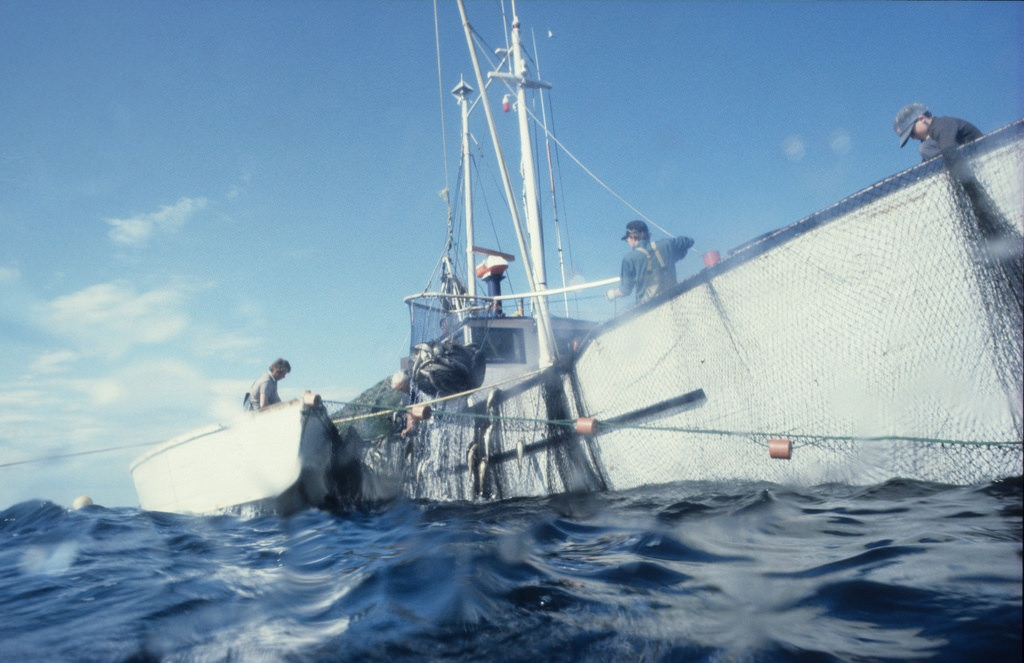
IT IS one of the planet’s last true wildernesses, yet a handful of the world’s wealthiest nations are plundering its riches to satisfy the appetites of luxury consumers – all with the help of billions in public money. Continue reading

Bigger Is Better When It Comes to MPAs

Read about potential economies of scale in marine protection in this piece at Nature, which highlights work by Sea Around Us Project members Ashley McCrea Strub and Daniel Pauly that they presented at IMCC in May.

A postdoc in Pauly’s lab, Ashley McCrea Strub, has calculated that, worldwide, today’s marine protected areas cost US$2 billion a year to run at full capacity. That compares, she says, with $16.2 billion a year spent on ‘negative subsidies’ that encourage fisherman to fish more rather than less — subsidization of fuel costs, for example. On Sunday, McCrea Strub told the conference that if larger marine reserves accounted for a larger percentage of the total area protected — 10% instead of 1% — the costs of managing these would come to 83% less a year.