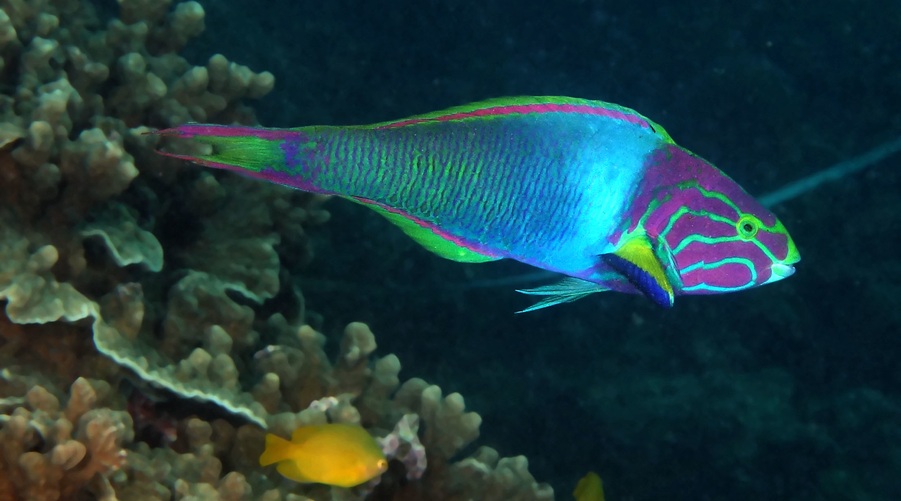
Sunset (yellow) moon wrasse. Photo by John Turnbull, Flickr.
Fish can look “bigger on average” even while they are actually shrinking due to warming waters caused by climate change.
Aquatic animals that breathe through gills — including most fish and many invertebrates — are the backbone of life in oceans, lakes and rivers. They support biodiversity, shape food webs and sustain fisheries that feed millions of people worldwide. Understanding how these animals grow, reproduce and survive is therefore essential to understanding how aquatic ecosystems work — and how they continue to support human societies.

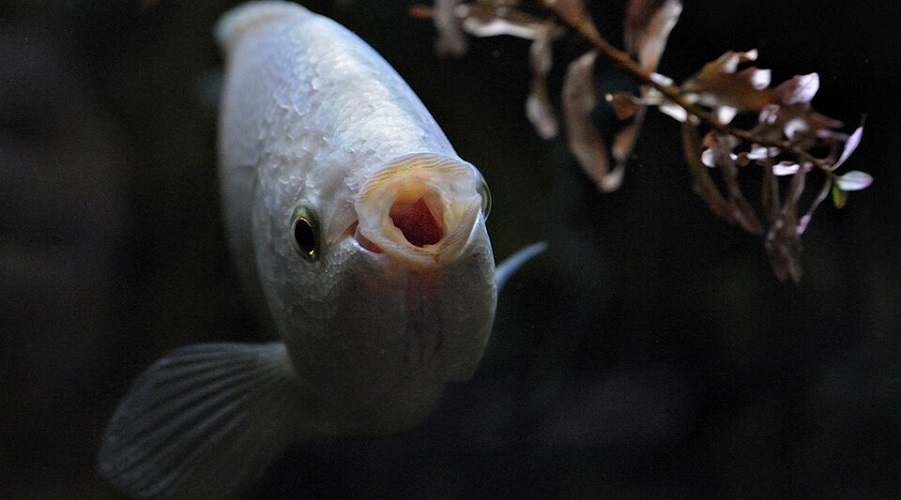
Helostoma temminckii or kissing gourami. Image by Jörn, Wikimedia Commons.
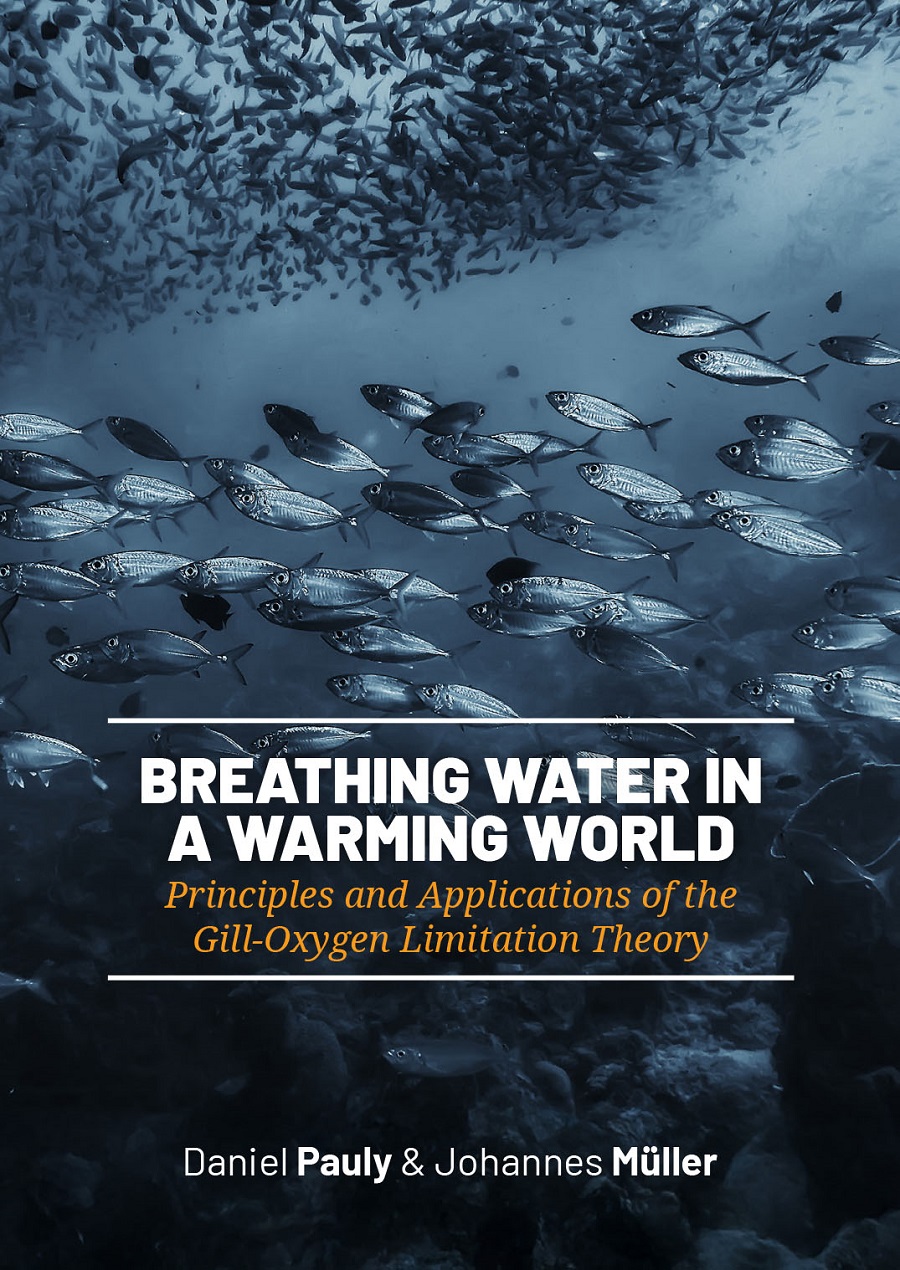
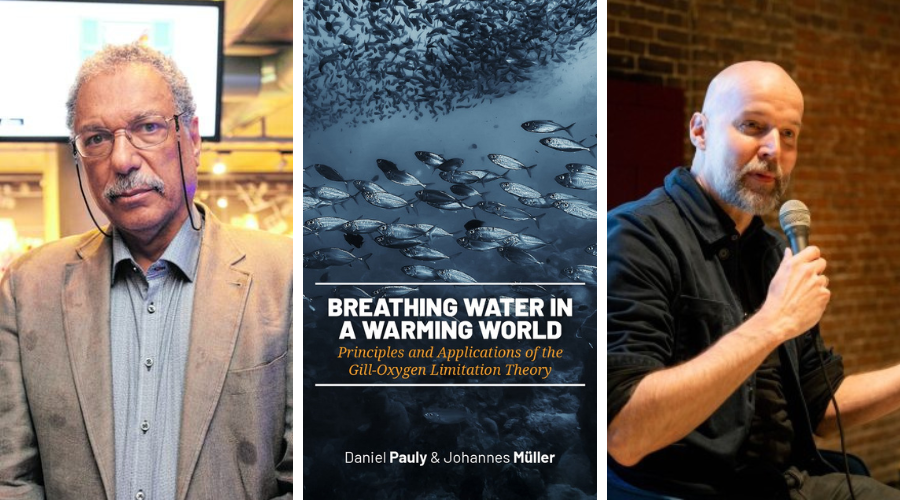
A new book focused on the principles and applications of the Gill-Oxygen Limitation Theory (GOLT) is scheduled for publication in March 2026.
Co-authored by the Sea Around Us PI, Dr. Daniel Pauly, and Dr. Johannes Müller, assistant professor at the Leiden University Centre for the Arts in Society, Breathing Water in a Warming World presents a theoretical framework for explaining how warming waters and deoxygenation affect the growth and reproduction of fish and other water-breathing animals.

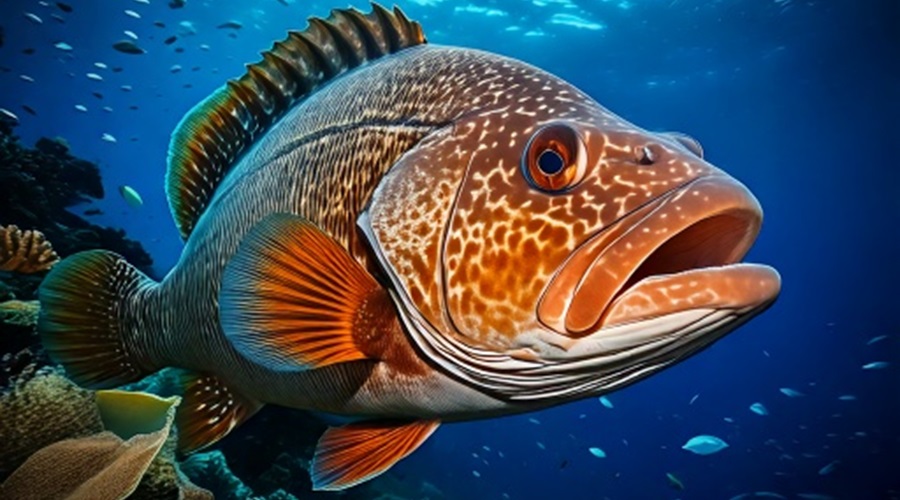
Common carp. Photo by Aquatika Karlovac, FishBase
A widely debated topic in biology and fisheries sciences is the role of oxygen in the growth of fishes and other water-breathing animals. According to new research, developmental changes in individual fish and experimental errors are the causes of inconsistencies that have erroneously been linked to the Gill Oxygen Limitation Theory (GOLT), developed to explain the influence of oxygen uptake on fish growth.