Global Atlas of Marine Fisheries

Global fisheries trends in one book

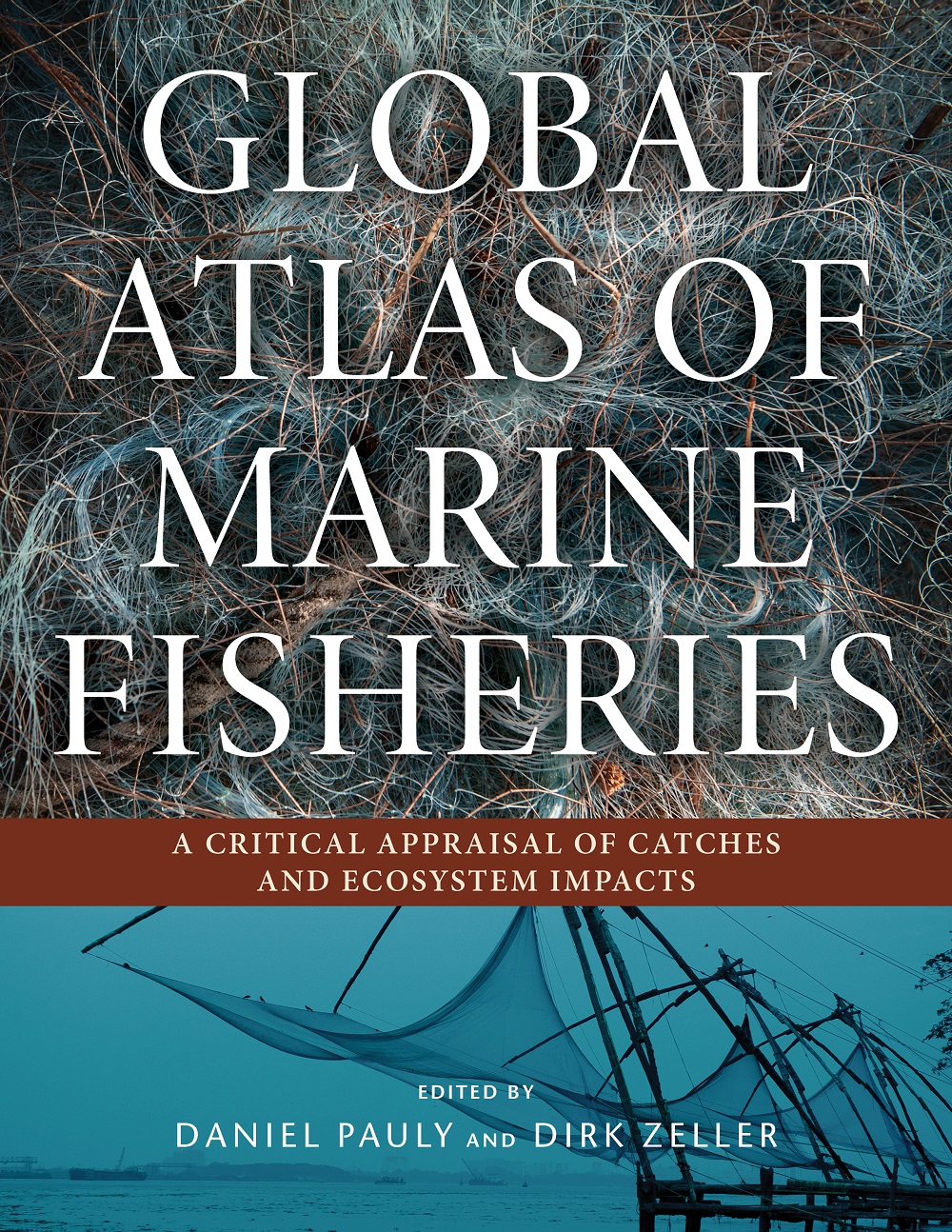
The Sea Around Us team recently launched the Global Atlas of Marine Fisheries, the first book to provide accurate, country-by-country fishery data.

In just a few months since it was released to the market by Island Press, the Atlas has become an indispensable resource for researchers, students, fishery managers, professionals in the fishing industry, environmentalists, and so on.

It has also gathered attention from the press in Canada, the US, Spain, and Venezuela.

On the below video, Dr. Daniel Pauly, the Sea Around Us principal investigator, expands on the findings published in the book regarding reported vs. unreported global catch and the challenge of dealing with unreliable statistics from certain countries, among other topics.
 

Indigenous people eat 15 times more seafood than non-Indigenous people

indigenous-coastal-environments-landscape-map-center-01-660x465

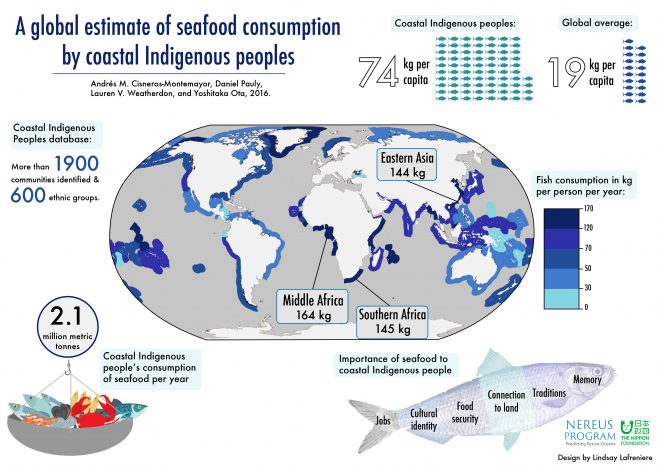
Researchers from the Nereus Program at the University of British Columbia’s Institute for the Oceans and Fisheries developed a global database of over 1,900 Indigenous communities and estimated seafood consumption at 2.1 million metric tonnes per year or 2% of global catch.

In other words and as the infographic above shows, coastal First Nations consume 74 kg of seafood per capita, whereas the global average is 19 kg. Continue reading

The plan to ban fishing in more than half the world’s oceans

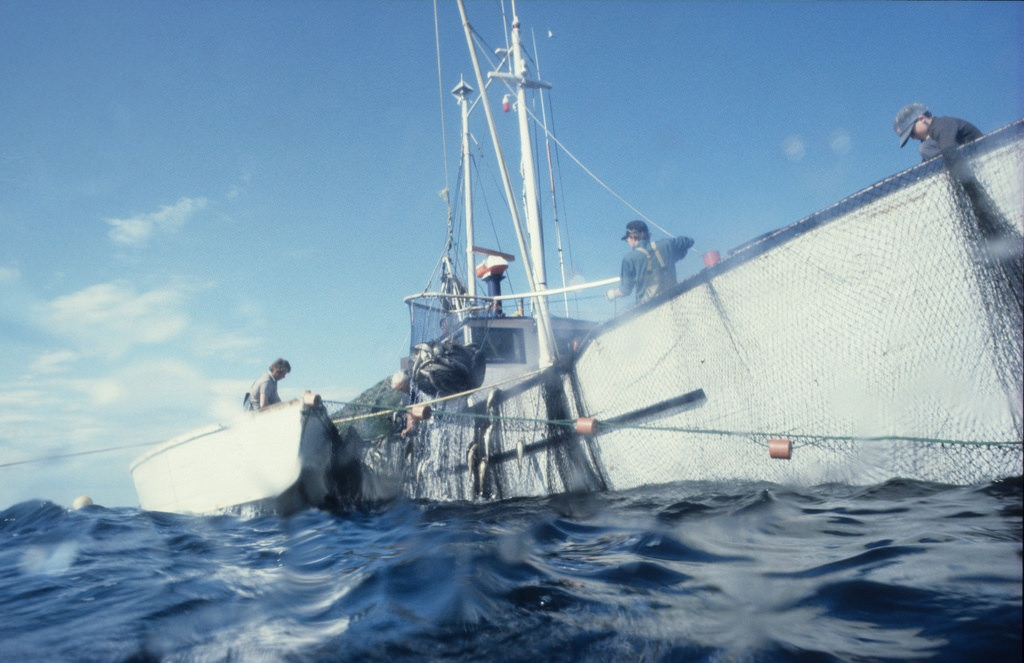
Fishes eye view of the Island Star. Photo by Derek Keats, Flickr.

Fishes eye view of the Island Star. Photo by Derek Keats, Flickr.

This analysis was originally posted in New Scientist, and can be found here.

By James Randerson.

IT IS one of the planet’s last true wildernesses, yet a handful of the world’s wealthiest nations are plundering its riches to satisfy the appetites of luxury consumers – all with the help of billions in public money. Continue reading

Sea Around Us discusses future during annual retreat

sea-around-us-november-2016

Photo by Valentina Ruiz Leotaud.

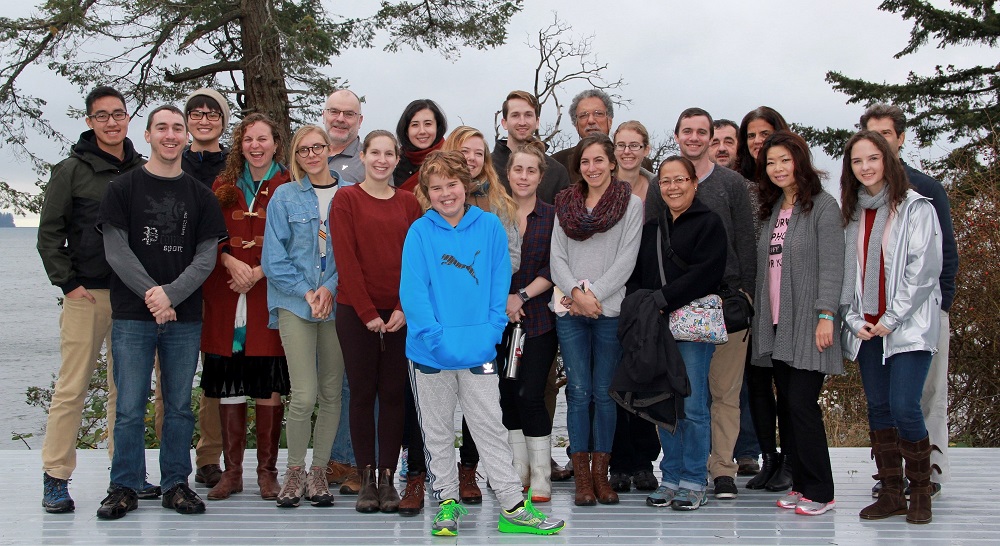
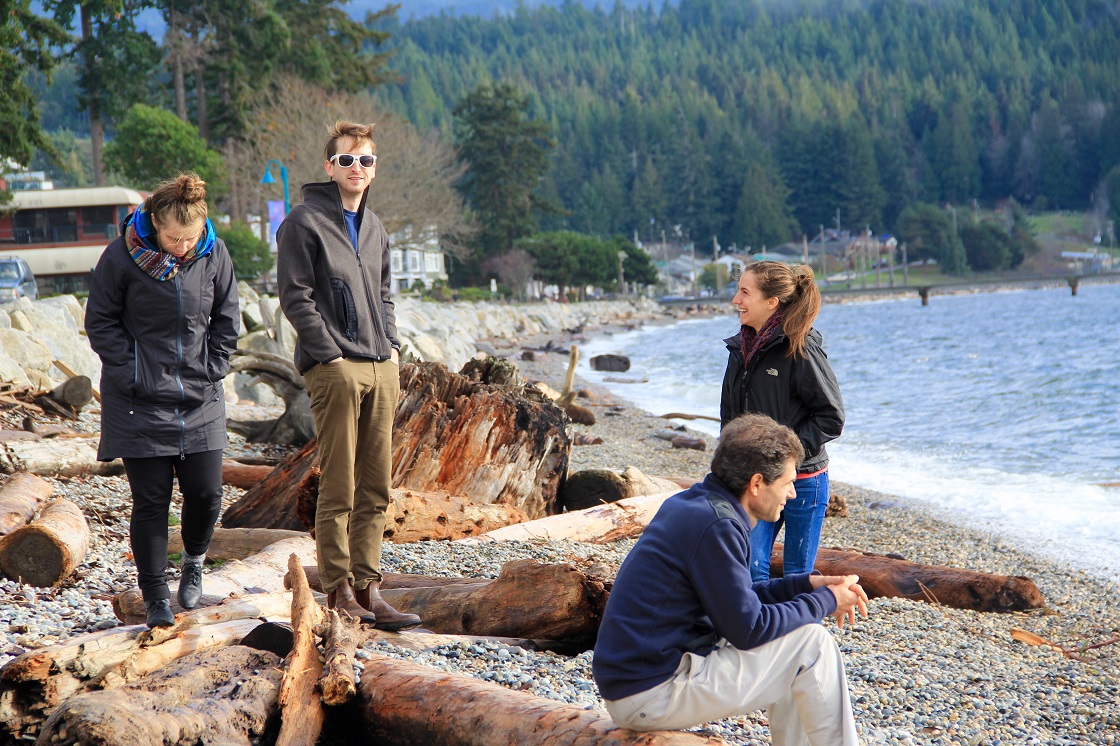
The setting was ideal: The ocean on one side, the forest on the other.

There wasn’t a sound to be heard except that of a few seagulls, a sea lion somewhere, the waves lashing back and forth, and the enthusiastic team of the Sea Around Us talking about plans and projects for the coming years.

It was all part of the Sea Around Us’ annual retreat, which took place on British Columbia’s Sunshine Coast on November 4th-6th, 2016.

Leaders Daniel Pauly, Dirk Zeller, and Deng Palomares traveled with associated faculty, staff, and students with the idea of updating everyone on everything: from finances to exciting new initiatives and potential new directions.

Photo by Deng Palomares.

Photo by Deng Palomares.

Continue reading

Global Atlas of Marine Fisheries

Sea Around Us’ new Atlas reveals why the ocean is giving us 1.2 million MT less of fish every year

Global Atlas of Marine Fisheries

Global marine fisheries catches have been declining, on average, by 1.2 million metric tons every year since 1996 and FAO knew very little about this.

Fortunately, the Global Atlas of Marine Fisheries has just been released and it explains, in detail and country-by-country, the reasons behind this unprecedented phenomenon, its consequences when it comes to food security and the steps that can be taken to ease the dire situation. Continue reading