Photo by WWF.

Nothing natural about nature’s steep decline: WWF report reveals staggering extent of human impact, including that of fisheries, on planet

Photo by WWF.

Photo by WWF.

Humanity and the way we feed, fuel and finance our societies and economies are pushing nature and the services that power and sustain us to the brink, according to WWF’s Living Planet Report 2018. The report, released today, presents a sobering picture of the impact of human activity on the world’s wildlife, forests, oceans, rivers and climate, underlining the rapidly closing window for action and the urgent need for the global community to collectively rethink and redefine how we value, protect and restore nature.

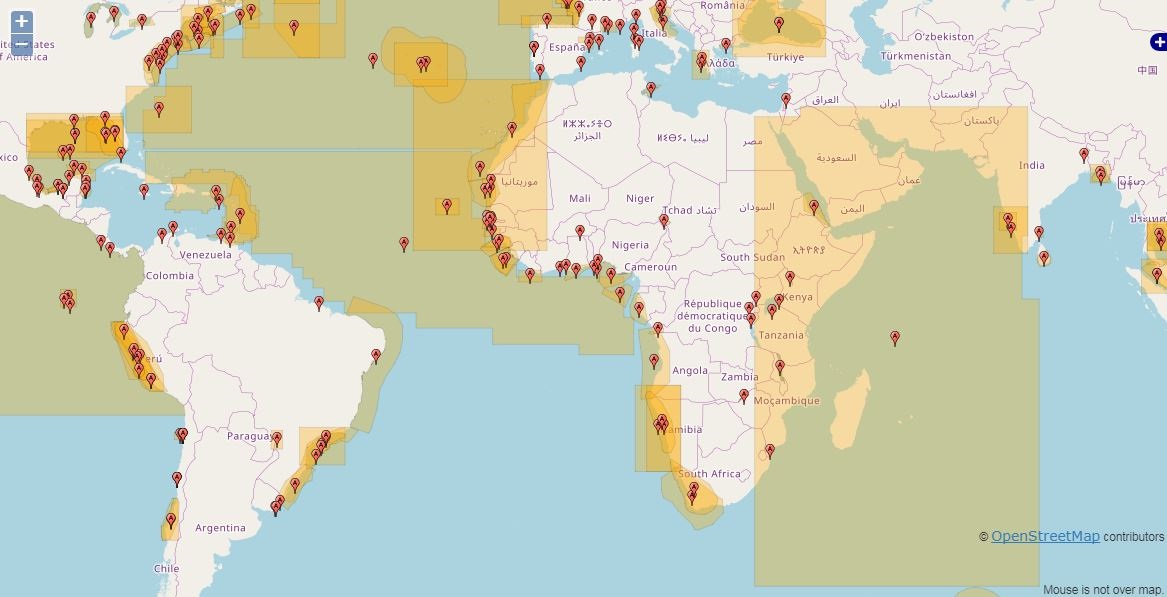
The Living Planet Report 2018 presents a comprehensive overview of the state of our natural world, twenty years after the flagship report was first published. Through indicators such as the Living Planet Index (LPI) provided by the Zoological Society of London, the Species Habitat Index (SHI), the IUCN Red List Index (RLI), the Biodiversity Intactness Index (BII) and the Sea Around Us fisheries data, as well as Planetary Boundaries and the Ecological Footprint, the report paints a singular disturbing picture: human activity is pushing the planet’s natural systems that support life on earth to the edge.
Continue reading

Distant water expansion

Industrial fisheries’ expansion impacts 90 per cent of the global ocean, causes massive catch decline

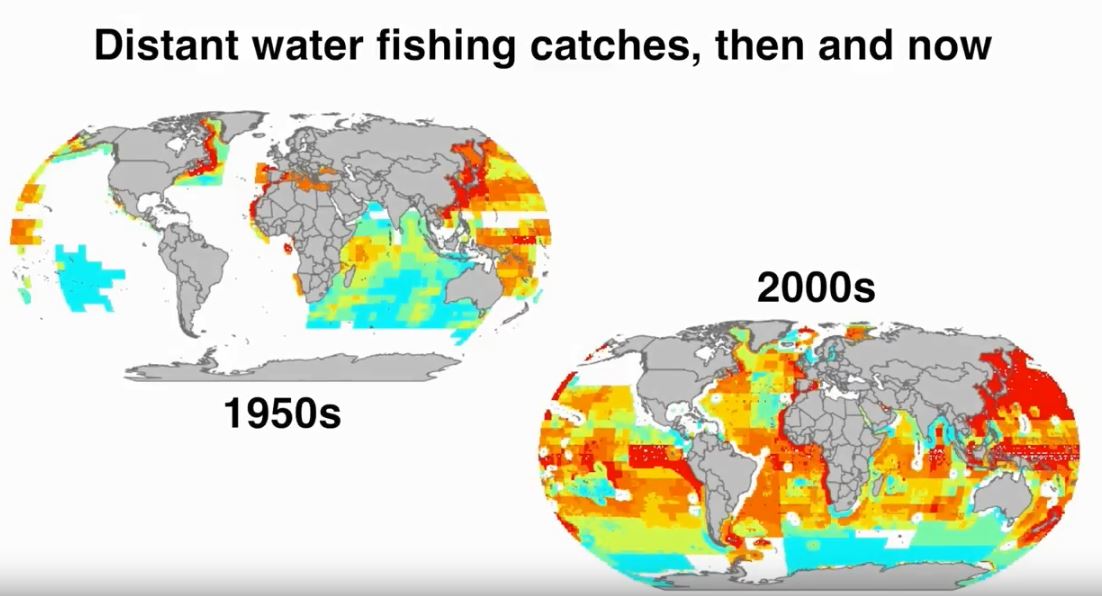
Industrial fishing fleets have doubled the distance they travel to fishing grounds since 1950 but catch only a third of what they did 65 years ago per kilometre travelled, a new study from the Sea Around Us research initiative at the University of Western Australia and the University of British Columbia has found.

By mapping the growth and spread of industrial fisheries using the Sea Around Us data, the researchers found that these global trends were dominated by the heavily subsidized fleets of a small number of countries that have increased the total area fished from 60 per cent to 90 per cent of the world’s oceans.

Continue reading

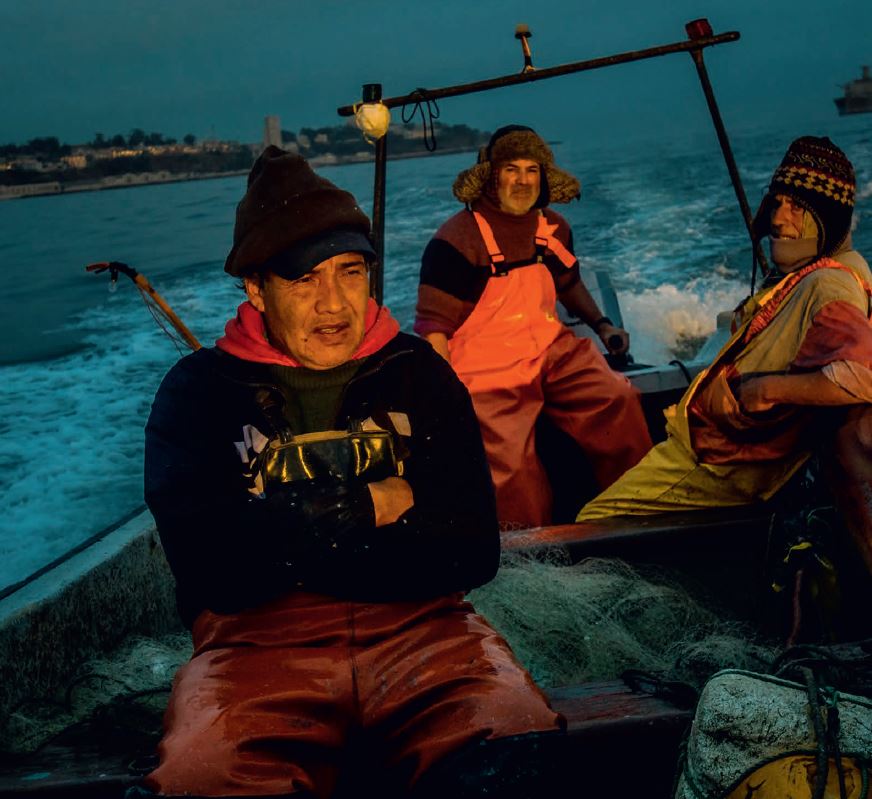
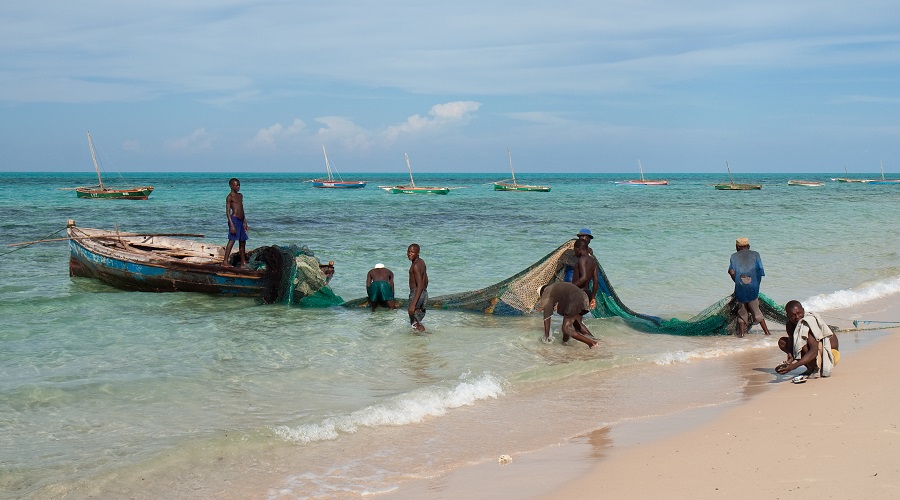
Fishermen holding a net between boat and beach at Pinda, Mozambique. Photo by Stig Nygaard, Wikimedia Commons.

Mistake in fisheries statistics shows false increase in catches

Fishermen holding a net between boat and beach at Pinda, Mozambique. Photo by Stig Nygaard, Wikimedia Commons.

Fishermen holding a net between boat and beach at Pinda, Mozambique. Photo by Stig Nygaard, Wikimedia Commons.

Countries’ improvements to their fisheries statistics have been contributing to the false impression that humanity is getting more and more fish from the ocean when, in reality, global marine catches have been declining on average by around 1.2 million tonnes per year since 1996.

Continue reading

The Sea Around Us now links to Ecosystem Models in Ecobase

EcoBase


Text by Fabien Bourinet – Agrocampus Ouest, Rennes, France.

The deliverables of my five-month internship with the Sea Around Us, at UBC’s Institute for the Oceans and Fisheries, included establishing strong links between the area-specific catch and related data made available by the Sea Around Us and the ecosystem food-web models in Ecobase. I played the role of a middleman whose job was to improve the communication between these two websites and the information they contain.

Continue reading

An Ocean Mystery

An Ocean Mystery: The Missing Catch now available for free viewing

An Ocean Mystery


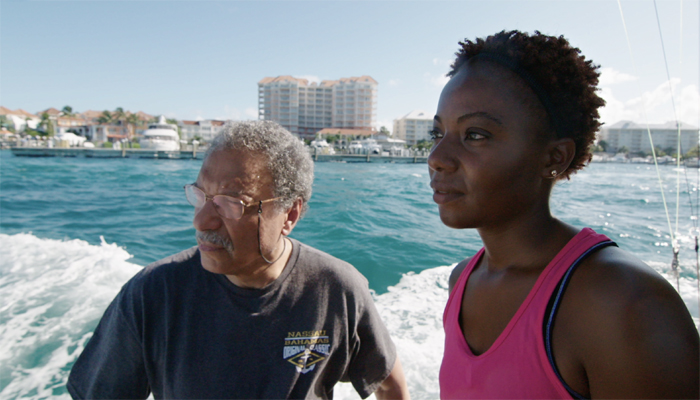
Following a successful festival season, the film An Ocean Mystery: The Missing Catch is now available for free viewing.

Besides being premiered on Earth Day 2017 at the Smithsonian National Museum of Natural History and on the Smithsonian Channel, the documentary had a full-house screening at the University of British Columbia and at 11 different international film festivals. It was also recognized in different categories at the Blue Ocean Film Festival, the Indie Fest Film Awards, the International Ocean Film Festival, the Impact Docs Awards, and the American Conservation Film Festival.

Continue reading