Aquatic animals that breathe through gills — including most fish and many invertebrates — are the backbone of life in oceans, lakes and rivers. They support biodiversity, shape food webs and sustain fisheries that feed millions of people worldwide. Understanding how these animals grow, reproduce and survive is therefore essential to understanding how aquatic ecosystems work — and how they continue to support human societies.
Tag: fish
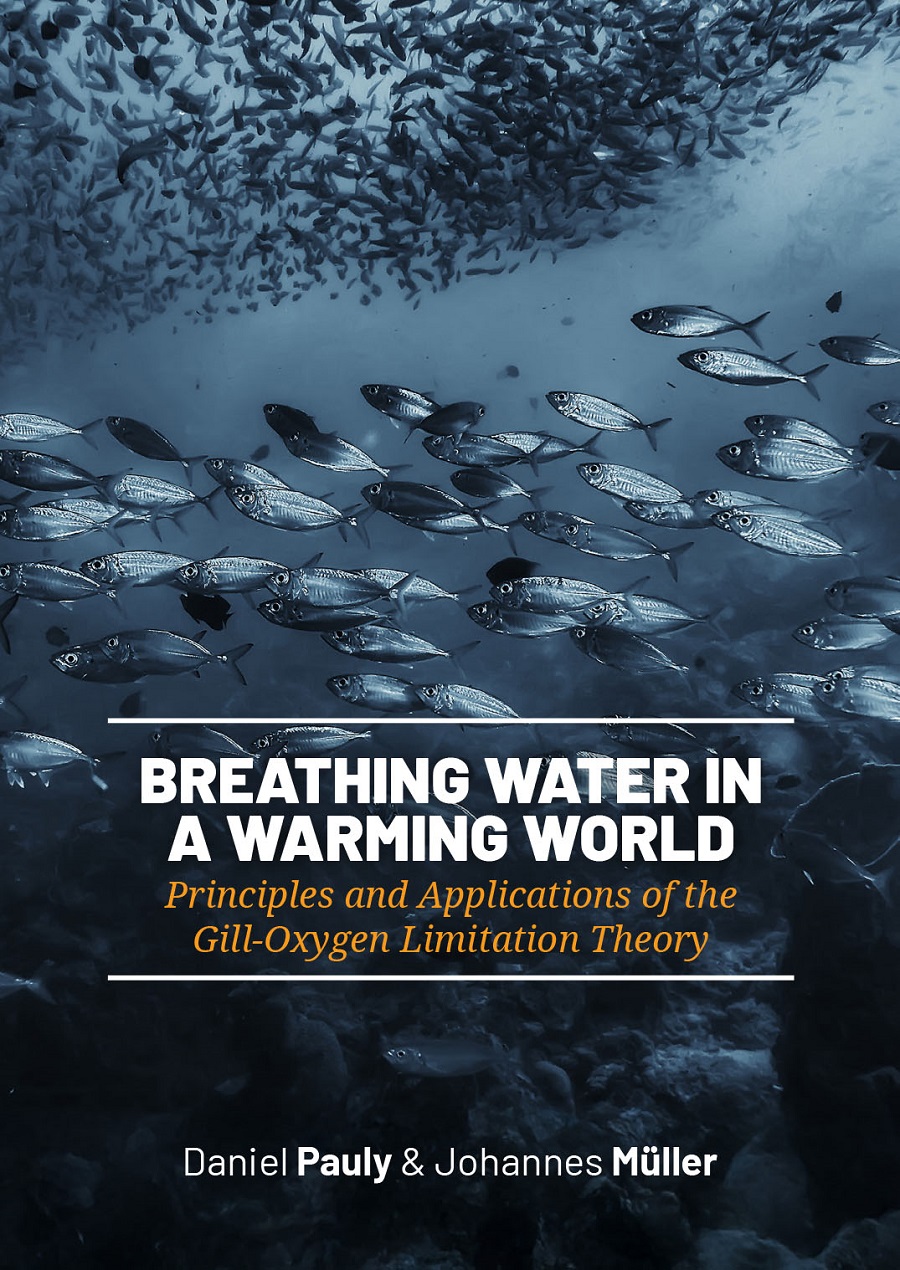
New GOLT book to be released in 2026
A new book focused on the principles and applications of the Gill-Oxygen Limitation Theory (GOLT) is scheduled for publication in March 2026.
Co-authored by the Sea Around Us PI, Dr. Daniel Pauly, and Dr. Johannes Müller, assistant professor at the Leiden University Centre for the Arts in Society, Breathing Water in a Warming World presents a theoretical framework for explaining how warming waters and deoxygenation affect the growth and reproduction of fish and other water-breathing animals.
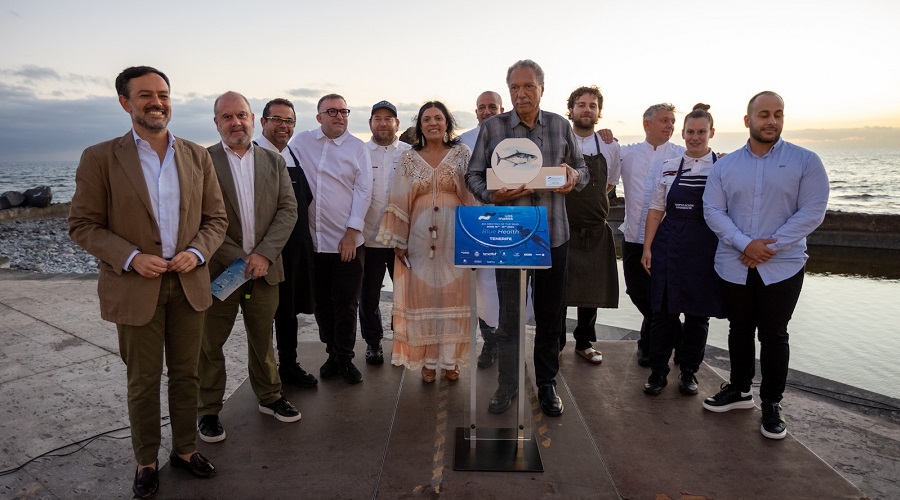
Daniel Pauly receives 2024 Sartún Award

Daniel Pauly receiving the 2024 Sartún Award at the Meeting of the Seas. Photo courtesy of Encuentro de los Mares.
During the 2024 Meeting of the Seas held in Tenerife, Spain, the Sea Around Us principal investigator, Dr. Daniel Pauly, was granted the Sartún Award, in recognition of his +40-year career working for the protection of the global ocean.
A magical weekend of scientific learning and exploring scenic Bamfield
By Anna Luna Rossi.
It takes about six hours, departing from Vancouver, to reach the Bamfield Marine Science Centre, where was held the 45th annual Pacific Ecology and Evolution Conference (PEEC). Three of those hours consist of sailing on the MV Frances Barkley – a 65-year-old heritage ship originating in Norway that started its current route in 1990 – through the Alberni Inlet from Port Alberni to Bamfield, almost reaching the open ocean in Barkley Sound.
Fish species show surprisingly narrow combination of traits

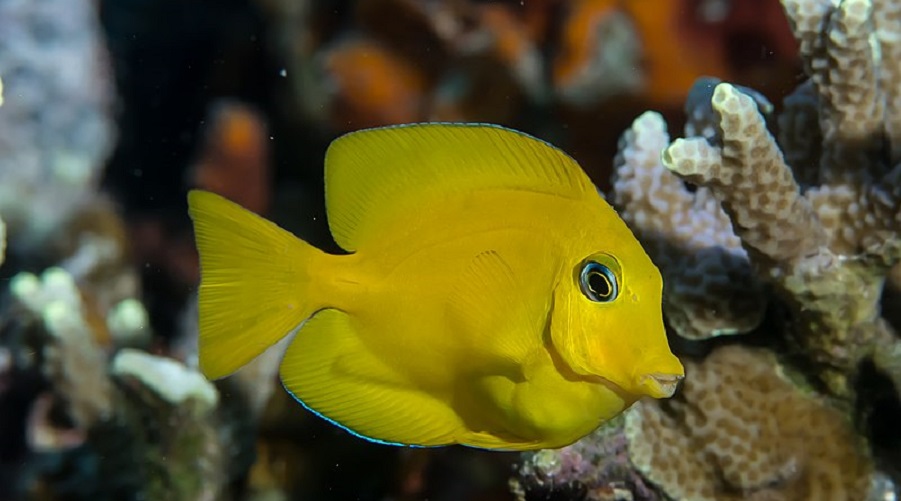
Mimic surgeonfish. Reference photo by Rickard Zerpe, Wikimedia Commons.
The world’s waterbodies are filled with predatory fish feeding on other animals from zooplankton to squid and other fish, while “vegetarian” or herbivore fish are rare, new research has found.