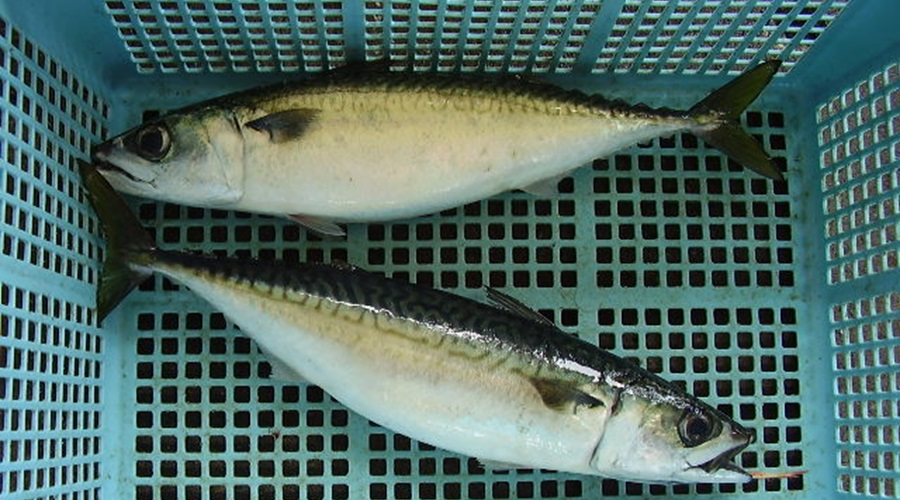
Two specimens of chub mackerel in a basket

Mean Temperature of the Catch now available on Sea Around Us website

Two specimens of chub mackerel in a basket

Global warming is expected to push stocks of highly migratory straddling species in the Indo-Pacific, such as chub mackerel, from EEZs toward the high seas by mid-century. Photo by Matsumomushi, Wikimedia Commons.

Sea Around Us website users will now be able to access the Mean Temperature of the Catch (MTC), as an ecosystem indicator derived from the reconstructed catches of a large fraction of the 283 Exclusive Economic Zones (EEZs) presented on our website.

Continue reading

Daniel Pauly and Johannes Müller.

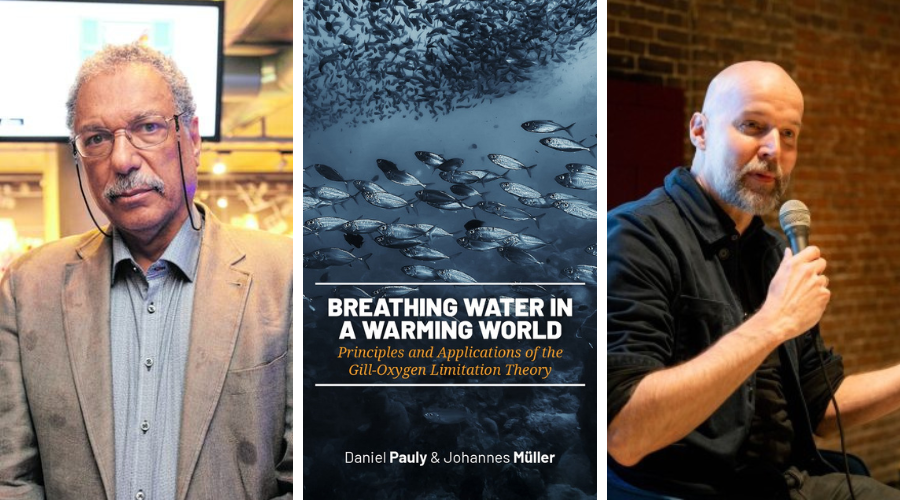
Pauly and Müller’s Breathing Water in a Warming World available on open access

Daniel Pauly and Johannes Müller.

Daniel Pauly (left) and Johannes Müller (right).

In a world where the dramatic effects of global warming on land dominate news headlines, there is a tendency to overlook the massive impacts of warming and deoxygenation on oceans and freshwater ecosystems. However, the effects of climate change on the species that inhabit these ecosystems are, in some respects, more drastic than the challenges faced by terrestrial animals.

Continue reading

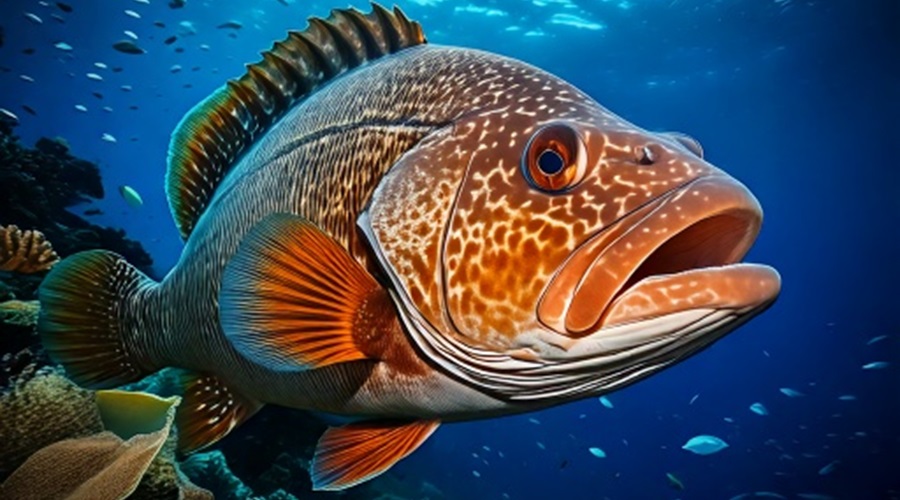
Orange-dotted grouper swimming and breathing in the ocean

New report sheds light on how fish grow in a warming, low-oxygen world

Orange-dotted grouper swimming and breathing in the ocean

Grouper. Image created with Adobe Firefly.

Aquatic animals that breathe through gills — including most fish and many invertebrates — are the backbone of life in oceans, lakes and rivers. They support biodiversity, shape food webs and sustain fisheries that feed millions of people worldwide. Understanding how these animals grow, reproduce and survive is therefore essential to understanding how aquatic ecosystems work — and how they continue to support human societies.

Continue reading

Fatal Watch image

Between profit and principle: Fatal Watch exposes the human price of the global tuna industry

Fatal Watch image

Labour and human rights abuses, overfishing, unreported, unregulated and illegal fishing, all spurred by subsidies provided to distant-water fishing fleets, are some of the most pervasive practices linked to the global seafood industry.

Witnessing and reporting on all of this are fisheries observers. Often scientists – marine biologists or ecologists –, fisheries observers are tasked by national frameworks, regional bodies, or international fisheries organizations with gathering information that supports sustainable fisheries management. Some are hired by the fishing companies they monitor.

Continue reading