
Philippines_short_Valentines (3)

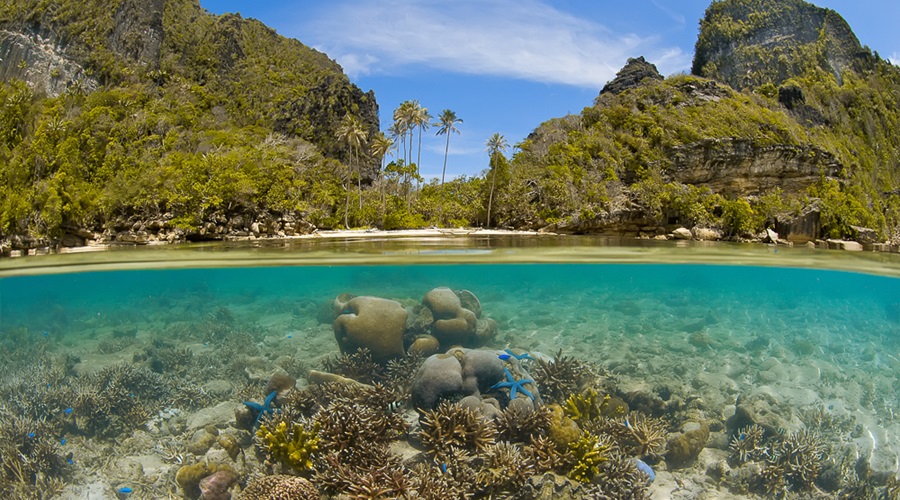
Swipe right for healthy oceans

Philippines_short_Valentines (3)
In thinking about February as Valentine’s Month, we invited our social media followers to “swipe right for healthy oceans.”

In a series of four posts showcasing country snapshots and designed to mimic a dating app interface, we presented how the Sea Around Usfisheries data help us explore what ocean health looks like in different parts of the world. Each post highlights key strengths and challenges, grounded in catch reconstructions, stock assessments, and nutrition data.

Continue reading

Fatal Watch image

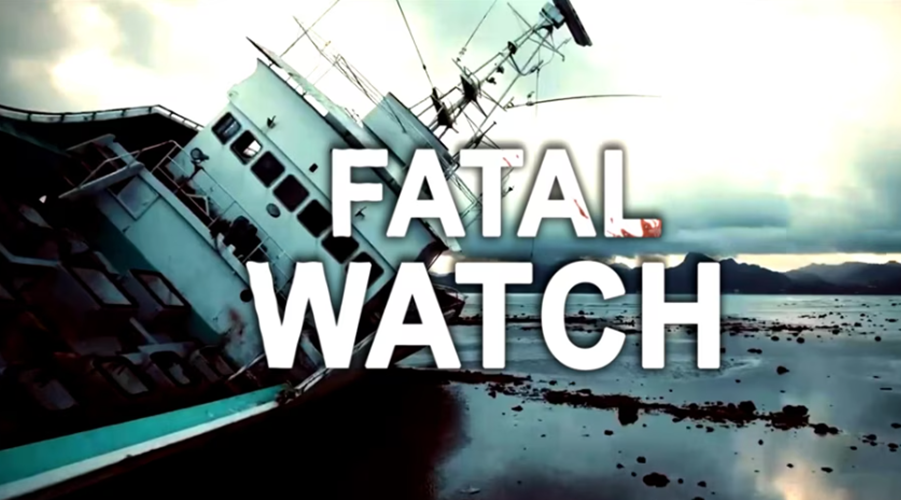
Between profit and principle: Fatal Watch exposes the human price of the global tuna industry

Fatal Watch image

Labour and human rights abuses, overfishing, unreported, unregulated and illegal fishing, all spurred by subsidies provided to distant-water fishing fleets, are some of the most pervasive practices linked to the global seafood industry.

Witnessing and reporting on all of this are fisheries observers. Often scientists – marine biologists or ecologists –, fisheries observers are tasked by national frameworks, regional bodies, or international fisheries organizations with gathering information that supports sustainable fisheries management. Some are hired by the fishing companies they monitor.

Continue reading

Diver coming out of the water with an oyster shell in her hands

Efforts to rebuild Hong Kong oyster reefs now on film

Diver coming out of the water with an oyster shell in her hands

Image from City of Shells by Mike Sakas.

Pearls, aphrodisiac concoctions, and Asian sauces. When we, ‘moderns,’ think about oysters, we rarely connect them to the substrate of a city.

Hong Kong and its Pearl River Delta area, as it turns out, have been built both structurally and socio-culturally atop what used to be extensive oyster reefs. However, these ecosystems have been decimated by dredging for lime and mega-city development.

Continue reading