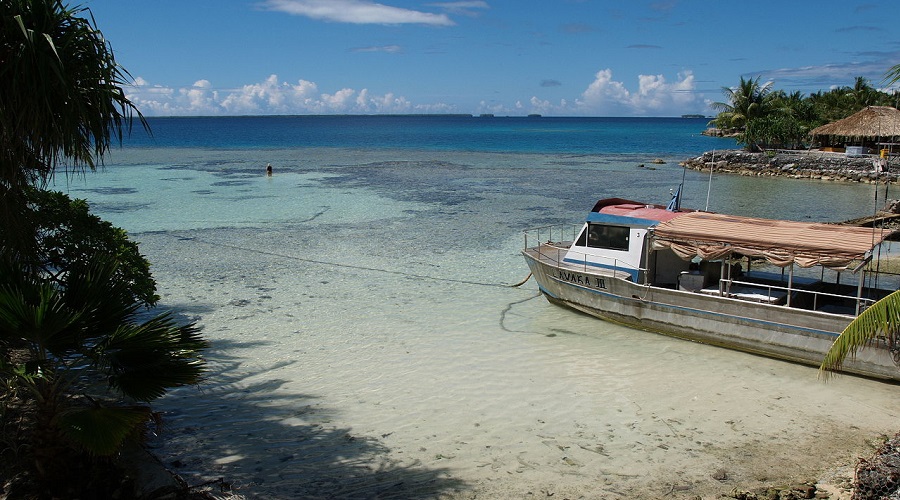

Ad Dammam, Eastern, Saudi Arabia. Photo by Mohammed J, Flickr.

Climate change to cause dramatic drop in Persian Gulf biodiversity and fisheries catch potential

Ad Dammam, Eastern, Saudi Arabia. Photo by Mohammed J, Flickr.

Ad Dammam, Eastern, Saudi Arabia. Photo by Mohammed J, Flickr.

The Persian Gulf may lose up to 12 per cent of its marine biodiversity in some areas before the end of the century if countries in the region do not take measures to address climate change.

According to scientists at the University of British Columbia and the University of Western Australia, a business-as-usual climate scenario will severely affect species richness off the coast of Saudi Arabia, Bahrain, Qatar and the United Arab Emirates (UAE) by the end of the century.

Continue reading

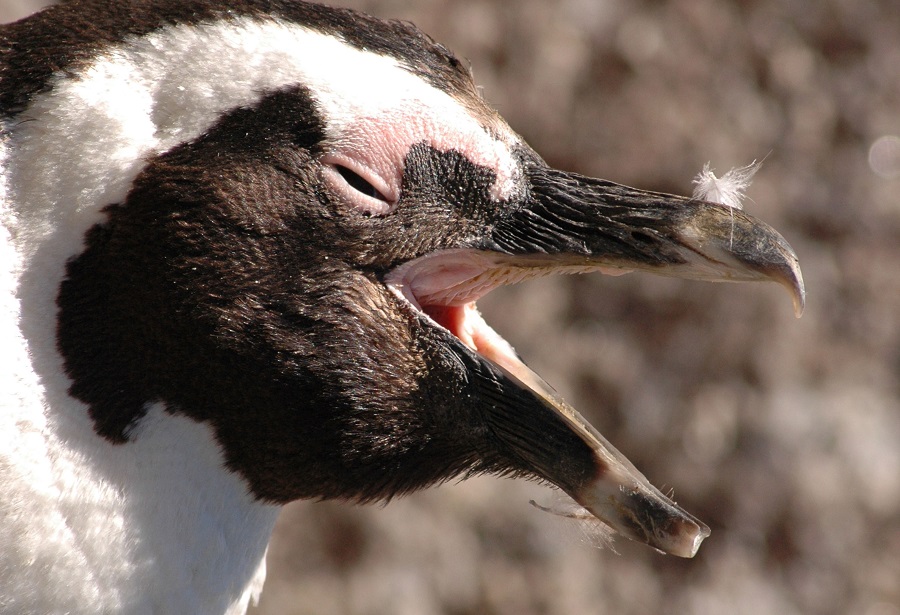
Pacific Sleeper Shark. Photo by NOAA.

Bottom trawling causes deep-sea fish populations collapse

Pacific Sleeper Shark. Photo by NOAA.

Pacific Sleeper Shark. Photo by NOAA.

Bottom trawling is causing “boom and bust” fisheries.

A new study using the Sea Around Us’ reconstructed catch data reveals that in the past 60+ years, the practice of towing giant fishing nets along the sea floor has caused the extraction of 25 million tonnes of fish that live 400 metres or more below sea level leading to the collapse of many of those fish populations.

Continue reading

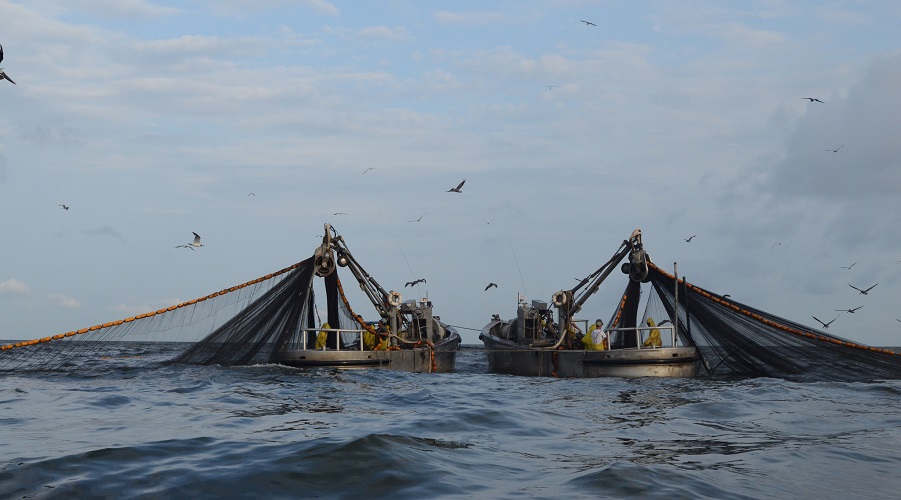
Fishing trawlers in Kota Kinabalu, Sabah, Malaysia. Photo by stratman², Flickr.

Industrial fisheries in Southeast Asia divert millions of tonnes of fish to fishmeal

Fishing trawlers in Kota Kinabalu, Sabah, Malaysia. Photo by stratman², Flickr.

Fishing trawlers in Kota Kinabalu, Sabah, Malaysia. Photo by stratman², Flickr.

Four countries in Southeast Asia have diverted almost 40 million tonnes of fish towards fishmeal production in the past six decades, as opposed to making it available for direct human consumption.

A new study by the Sea Around Us at the University of British Columbia reveals that government policies in Cambodia, Malaysia, Thailand, and Vietnam have focused on expanding their industrial fisheries and making them competitive, despite the fact that such growth may not always benefit their own countries’ food security.

Continue reading

Fishermen holding a net between boat and beach at Pinda, Mozambique. Photo by Stig Nygaard, Wikimedia Commons.

Mistake in fisheries statistics shows false increase in catches

Fishermen holding a net between boat and beach at Pinda, Mozambique. Photo by Stig Nygaard, Wikimedia Commons.

Fishermen holding a net between boat and beach at Pinda, Mozambique. Photo by Stig Nygaard, Wikimedia Commons.

Countries’ improvements to their fisheries statistics have been contributing to the false impression that humanity is getting more and more fish from the ocean when, in reality, global marine catches have been declining on average by around 1.2 million tonnes per year since 1996.

Continue reading