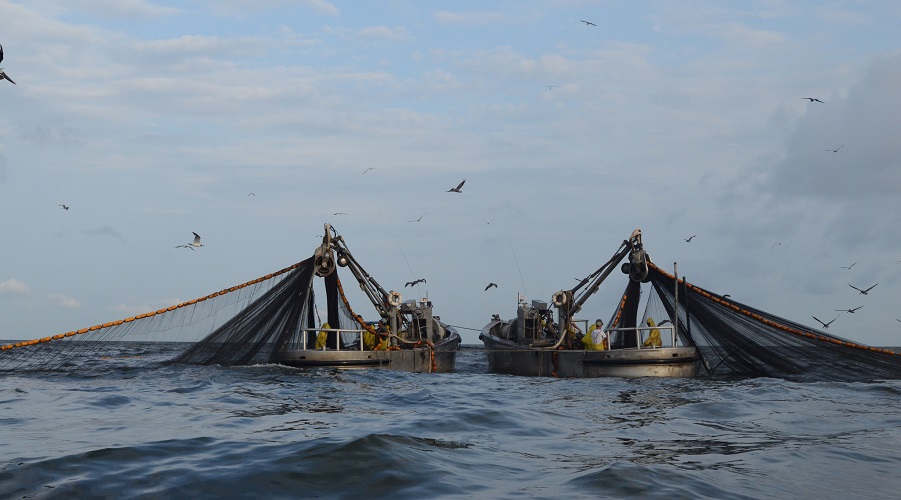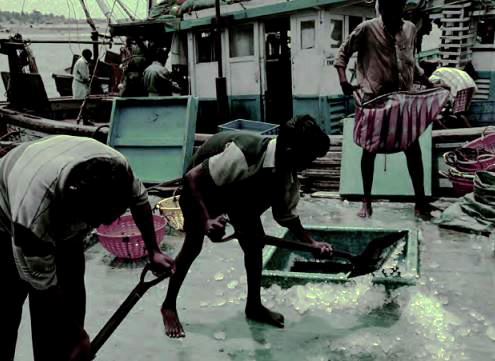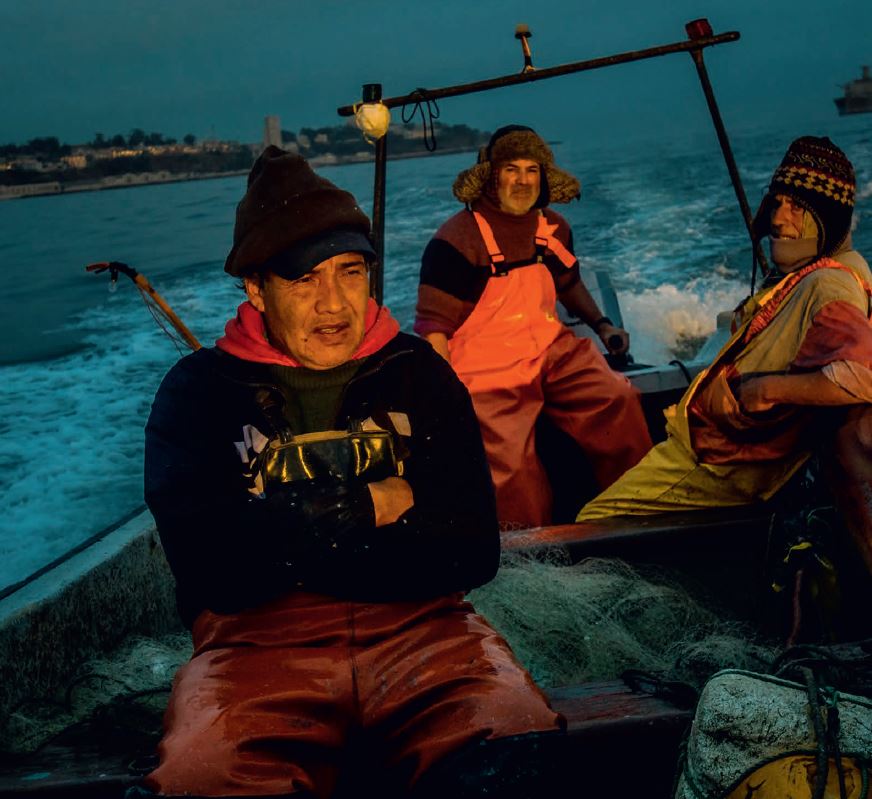
By combining fisheries data from the Sea Around Us initiative at UBC with country-level data on modern slavery, the researchers found that countries whose fleets rely heavily on government subsidies, fish far away from home ports, and fail to comprehensively report their actual catch, tend to fish beyond sustainable limits and are at higher risk of labour abuses.
Category: New Research
Nothing natural about nature’s steep decline: WWF report reveals staggering extent of human impact, including that of fisheries, on planet
Humanity and the way we feed, fuel and finance our societies and economies are pushing nature and the services that power and sustain us to the brink, according to WWF’s Living Planet Report 2018. The report, released today, presents a sobering picture of the impact of human activity on the world’s wildlife, forests, oceans, rivers and climate, underlining the rapidly closing window for action and the urgent need for the global community to collectively rethink and redefine how we value, protect and restore nature.
The Living Planet Report 2018 presents a comprehensive overview of the state of our natural world, twenty years after the flagship report was first published. Through indicators such as the Living Planet Index (LPI) provided by the Zoological Society of London, the Species Habitat Index (SHI), the IUCN Red List Index (RLI), the Biodiversity Intactness Index (BII) and the Sea Around Us fisheries data, as well as Planetary Boundaries and the Ecological Footprint, the report paints a singular disturbing picture: human activity is pushing the planet’s natural systems that support life on earth to the edge.
Appetite for luxurious shark fin soup drives massive shark populations decline
Populations of some shark species such as hammerhead and oceanic whitetip have declined by over 90 per cent in recent years largely because of wealthy consumers’ growing appetite for fin soup, a new paper in Marine Policy states.
The study by researchers from the University of Hong Kong, the Sea Around Us initiative at the University of British Columbia and WildAid Hong Kong, reveals that since fishing pressure on threatened shark populations has increased dramatically in recent years, it is urgent for consumers to stop demanding shark fin products.
Half of Russian catches in the Barents Sea thrown overboard
Russian fishing fleets operating in the Barents Sea dumped 42.7 million tonnes of good fish back into the ocean over the past 65 years according to new research. Thankfully, fishing practices have improved in recent years.
The study by researchers with the Sea Around Us at the University of British Columbia, and the Sea Around Us – Indian Ocean at the University of Western Australia, reveals that 55 per cent of the total catch taken by Russian fishers from the Barents Sea was discarded due to poor fishing practices and inadequate management.
Industrial fisheries’ expansion impacts 90 per cent of the global ocean, causes massive catch decline
By mapping the growth and spread of industrial fisheries using the Sea Around Us data, the researchers found that these global trends were dominated by the heavily subsidized fleets of a small number of countries that have increased the total area fished from 60 per cent to 90 per cent of the world’s oceans.