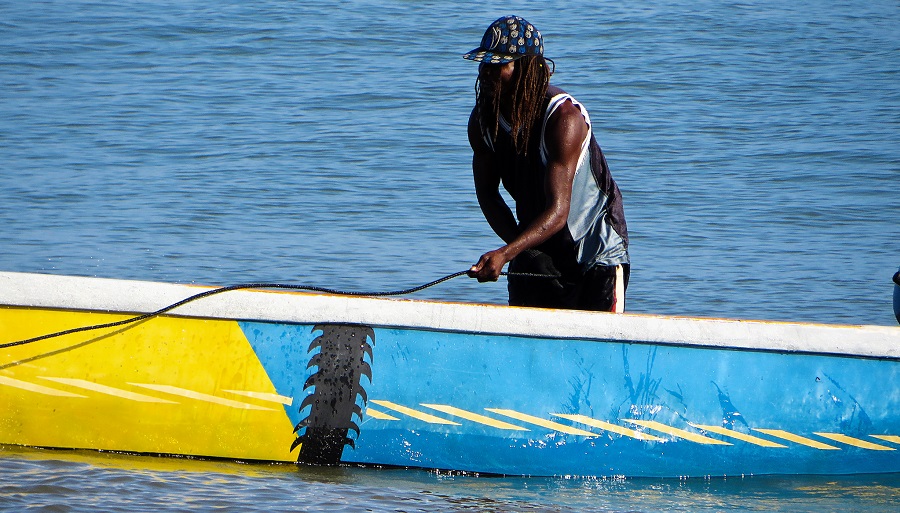
Artisanal fisheries catches taken from Honduras’ Exclusive Economic Zone have contributed far more than previously thought both to the economic growth and the food security of this Central American country, new research has found.
Category: New Research
Hidden behind bad numbers: Official stats mask almost all shark and ray species caught in the Mediterranean and Black seas
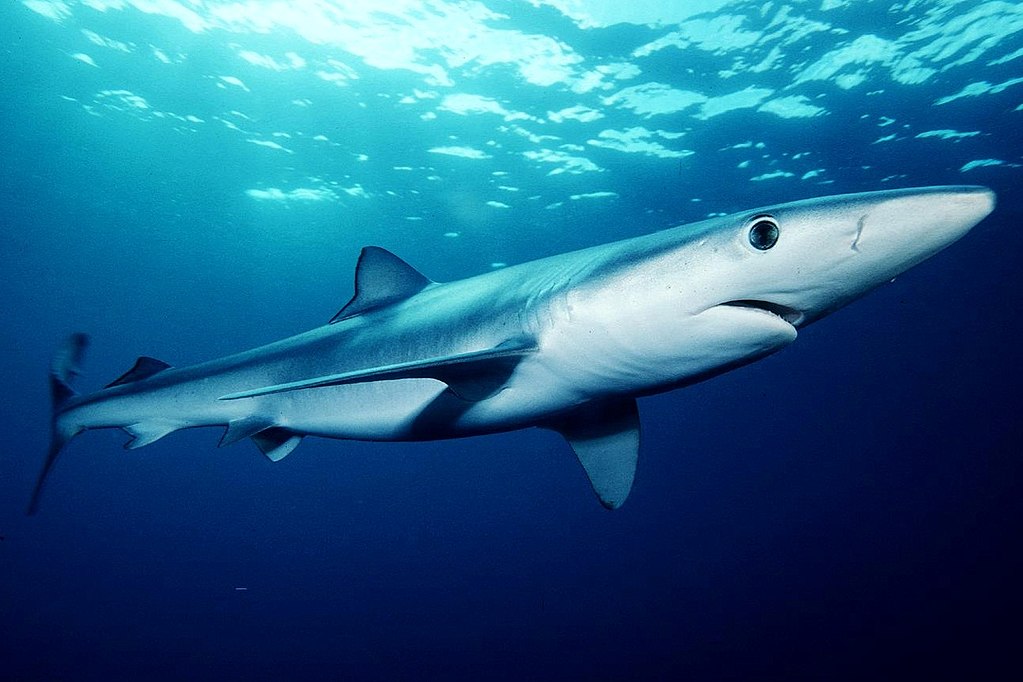
Shark and ray species commonly caught in the Mediterranean and Black seas are not being reported in official statistics, new research from the Sea Around Us initiative at the University of British Columbia shows.
A new study published in Marine Policy reveals that 97 per cent of the sharks and rays caught and brought to market domestically by fleets from the European, North African and Middle Eastern countries that surround these seas are not reported by species.
Palomares and Pauly reflect on the challenges and opportunities of historical reconstructions of marine fisheries catches
The Sea Around Us’ Project Manager, Deng Palomares, and Principal Investigator, Daniel Pauly, published an editorial in the journal Frontiers in Marine Science highlighting the importance of a long-term perspective when evaluating the status of fisheries.
The importance of coastal fisheries
The Sea Around Us’ Deng Palomares and Daniel Pauly have just added a new item to their long list of publications: a chapter in Elsevier’s book Coast and Estuaries: The Future.
In their contribution, titled “Coastal fisheries: the past, present and possible futures,” Palomares and Pauly highlight the importance of coastal fisheries by pointing out that they made up 55 per cent of global marine fisheries catch from 2010 to 2014.
Carbon dioxide emissions from global fisheries larger than previously thought
Carbon dioxide emissions from the fuel burnt by fishing boats are 30 per cent higher than previously reported, researchers with the Sea Around Us initiative at the University of British Columbia and the Sea Around Us – Indian Ocean at the University of Western Australia have found.
In a study published in Marine Policy, the scientists show that 207 million tonnes of CO2 were released into the atmosphere by marine fishing vessels only in 2016. This is almost the same amount of CO2 emitted by 51 coal-fired power plants in the same timeframe.