Figuring out how humans have impacted biodiversity through time

Figuring out total human impacts on biodiversity

Figuring out how humans have impacted biodiversity through time

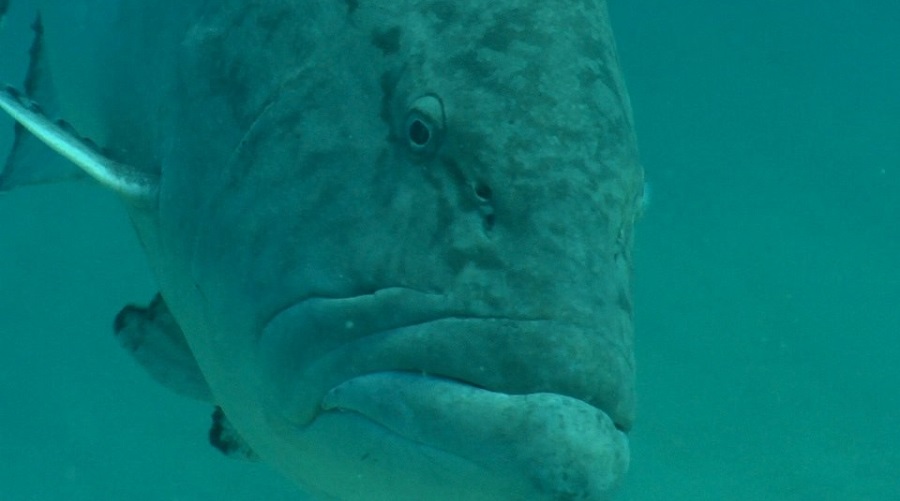
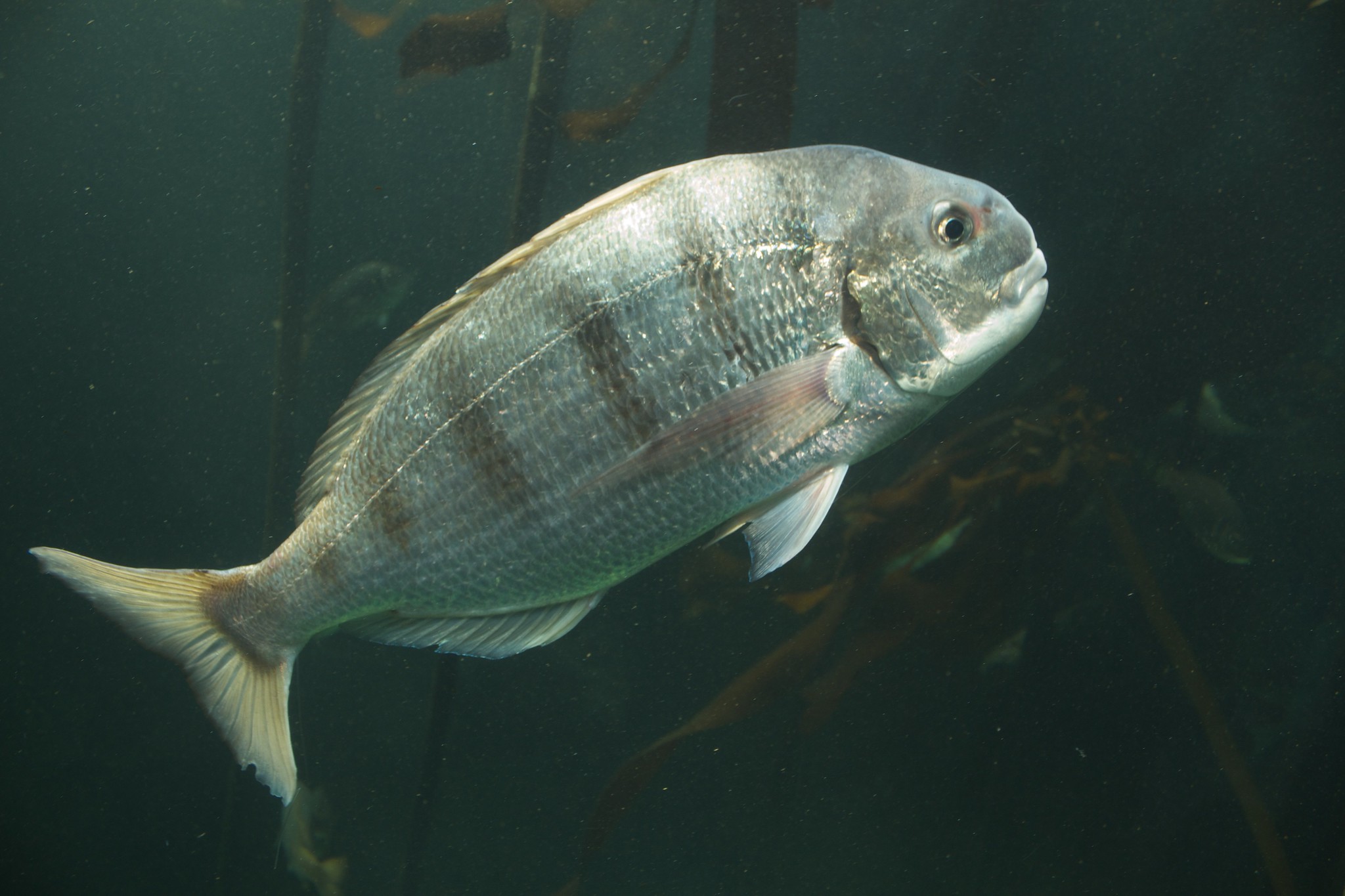
Gulf grouper. Photo by Alfredo Barroso, Wikimedia Commons.

How much have humans affected the population of other species on the planet? A new methodology for documenting the cumulative human impacts on biodiversity aims to answer this question.

Dubbed EPOCH -for Evaluation of Population Change- the methodology was developed by a group of scientists from universities in Europe, Asia, and North America. It provides a standardized framework for organizing disperse data on individual species or populations of animals and plants that have been affected by urbanization, pollution, fishing, hunting, over-harvesting, and other anthropogenic activities.

Continue reading

How sustainable is tuna? New global catch database exposes dangerous fishing trends

How sustainable is tuna? New global catch database exposes dangerous fishing trends

How sustainable is tuna? New global catch database exposes dangerous fishing trends

Tuna at the Tsukiji fish market in Japan. Photo by Humanoid one, Wikimedia Commons.

Appearing in everything from sushi rolls to sandwiches, tuna are among the world’s favourite fish. But are our current tuna fishing habits sustainable?

Probably not, according to a new global database of tuna catches created by researchers at the University of British Columbia and University of Western Australia.

In a study published in Fisheries Research, scientists from the Sea Around Us initiative found that global tuna catches have increased over 1,000 per cent in the past six decades, fueled by a massive expansion of industrial fisheries.

Continue reading

New technology allows fleets to double fishing capacity -- and deplete fish stocks faster

New technology allows fleets to double fishing capacity — and deplete fish stocks faster

FishingInfo_Web_650x520

Technological advances are allowing commercial fishing fleets to double their fishing power every 35 years and put even more pressure on dwindling fish stocks, new research has found.

Researchers from the Sea Around Us initiative at the University of British Columbia analyzed more than 50 studies related to the increase in vessels’ catching power and found that the introduction of mechanisms such as GPS, fishfinders, echo-sounders or acoustic cameras, has led to an average two per cent yearly increase in boats’ capacity to capture fish.

Continue reading

Blacklip Butterflyfish. Photo by zsispeo, Flickr.

Fish that follow ‘gourmet diet’ more threatened by climate change

Blacklip Butterflyfish. Photo by zsispeo, Flickr.

Blacklip Butterflyfish. Photo by zsispeo, Flickr.

Fish that follow a ‘gourmet diet’ may be more threatened by climate change and other environmental variations than those that are not picky eaters, new research from the Sea Around Us initiative at the University of British Columbia’s Institute for the Oceans and Fisheries, the University of New Brunswick, and the Fisheries Department at the U.S. National Oceanic and Atmospheric Administration has found.

In a study published in Scientific Reports, researchers found that in the more biodiverse areas of the world’s oceans like the tropics, where there are also a diverse number of habitats and environments, fishes tend to be selective about what and where they eat, choosing areas and foods that match their feeding skills and the place they occupy in the food chain.

Continue reading