Declining trend in fisheries catches threatens food security in African coastal communities

Declining trend in fisheries catches threatens food security in African coastal communities

Declining trend in fisheries catches threatens food security in African coastal communities

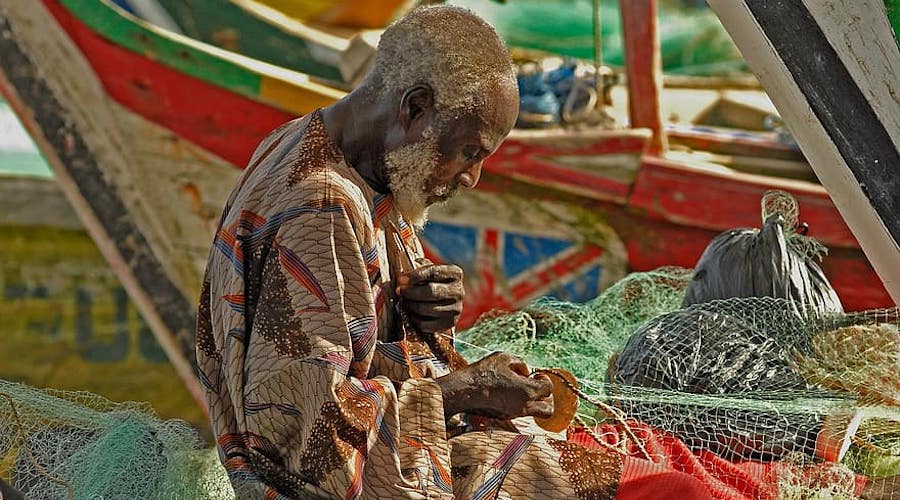
Ghanaian fisherman. Photo from Pikist.

Fish catches in Africa have reached a peak and, in many cases, have moved into a declining trend that threatens the food security and economic development of coastal areas.

A new study by researchers at the University of Western Australia, the University of British Columbia and Ecotrust Canada analyzed fishery yields in the seven Large Marine Ecosystems or LMEs that surround the African continent and found that most fisheries in the region rely on overfished resources.
Continue reading

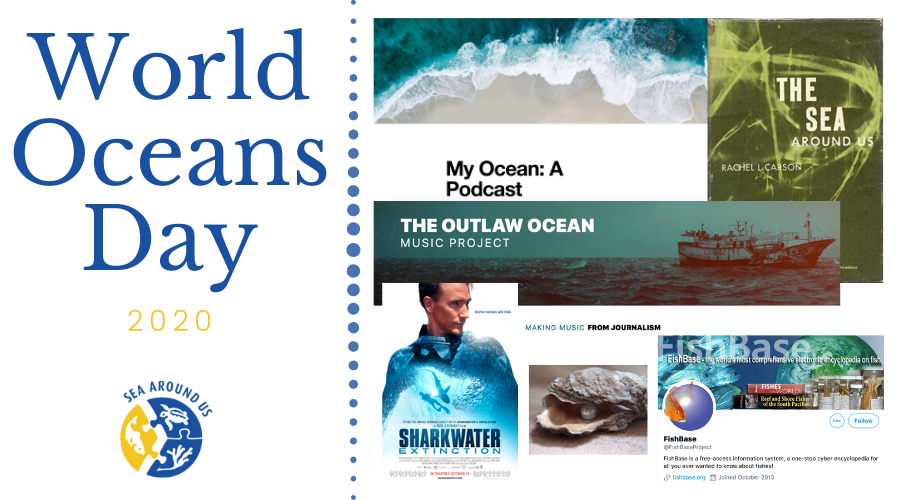
World Oceans Day 2020 - Ocean-related content you can access at home

World Oceans Day 2020 – Ocean-related content you can enjoy at home

World Oceans Day 2020 - Ocean-related content you can access at home World Oceans Day is being celebrated differently in 2020.

As humanity is still dealing with the impacts of the COVID-19 pandemic, most ocean-lovers will have to resist the desire to spend June 8 by the beach. But not being able to get physically to the ocean doesn’t mean that we can’t learn more about it. This is why the Sea Around Us team prepared a list of ocean-related resources that we can all enjoy from the comfort of our homes.  

Continue reading

Seychelles, a baseline for a Blue Economy

Seychelles, a baseline for a Blue Economy

Seychelles, a baseline for a Blue Economy

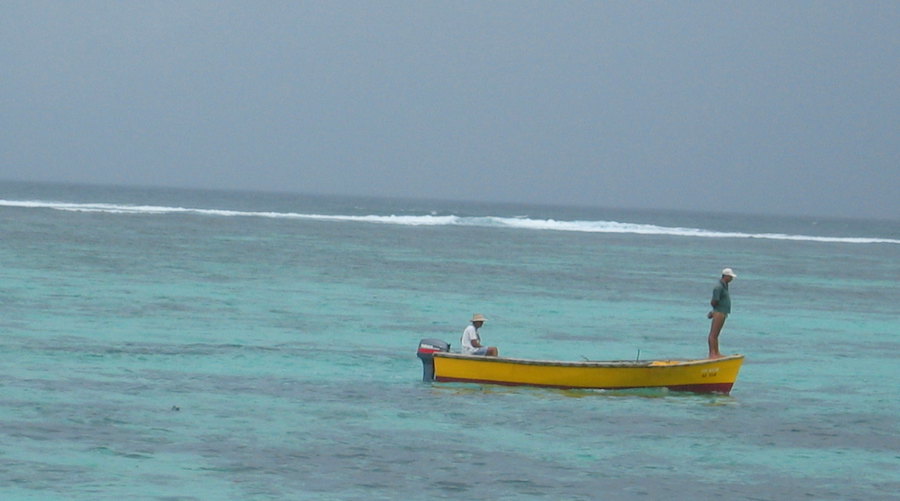
Men fishing in Seychelles. Photo by Tiare Scott, Flickr.

Comprehensive fisheries data are needed in the Republic of Seychelles to back the country’s path towards a blue economy, where environmentally sustainable and equitable practices are implemented to make use of various ocean resources for economic growth.

New research by the Sea Around Us – Indian Ocean, in collaboration with Hanna Jabour Christ of the Marine Futures Lab at the University of Western Australia, revealed that there are discrepancies between the actual quantities and species of fish caught in the Seychelles Exclusive Economic Zone and what is being reported by regulatory agencies and the Food and Agriculture Organization of the United Nations.

Continue reading