

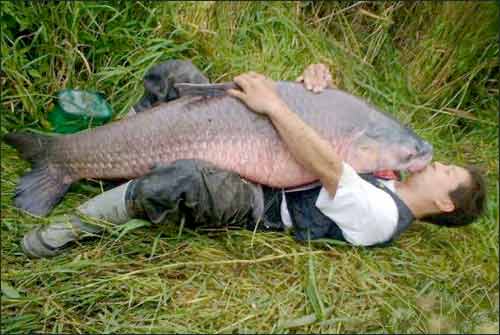
 Daniel Pauly published today an article on Fish As Food: A Love Affair, Issues Included in the Huffington Post. His article begins: Imagine the evolution of a relationship, when the delight in discovering a new lover is followed by the discovery of his or her issues, which eventually leads to the relationship being reassessed, however painful this might be. I speak here about seafood, discovered by many only in the last few years. Read the full piece here.
Daniel Pauly on NPR’s Fresh Air

Satellite Imagery Can Improve Ocean Data
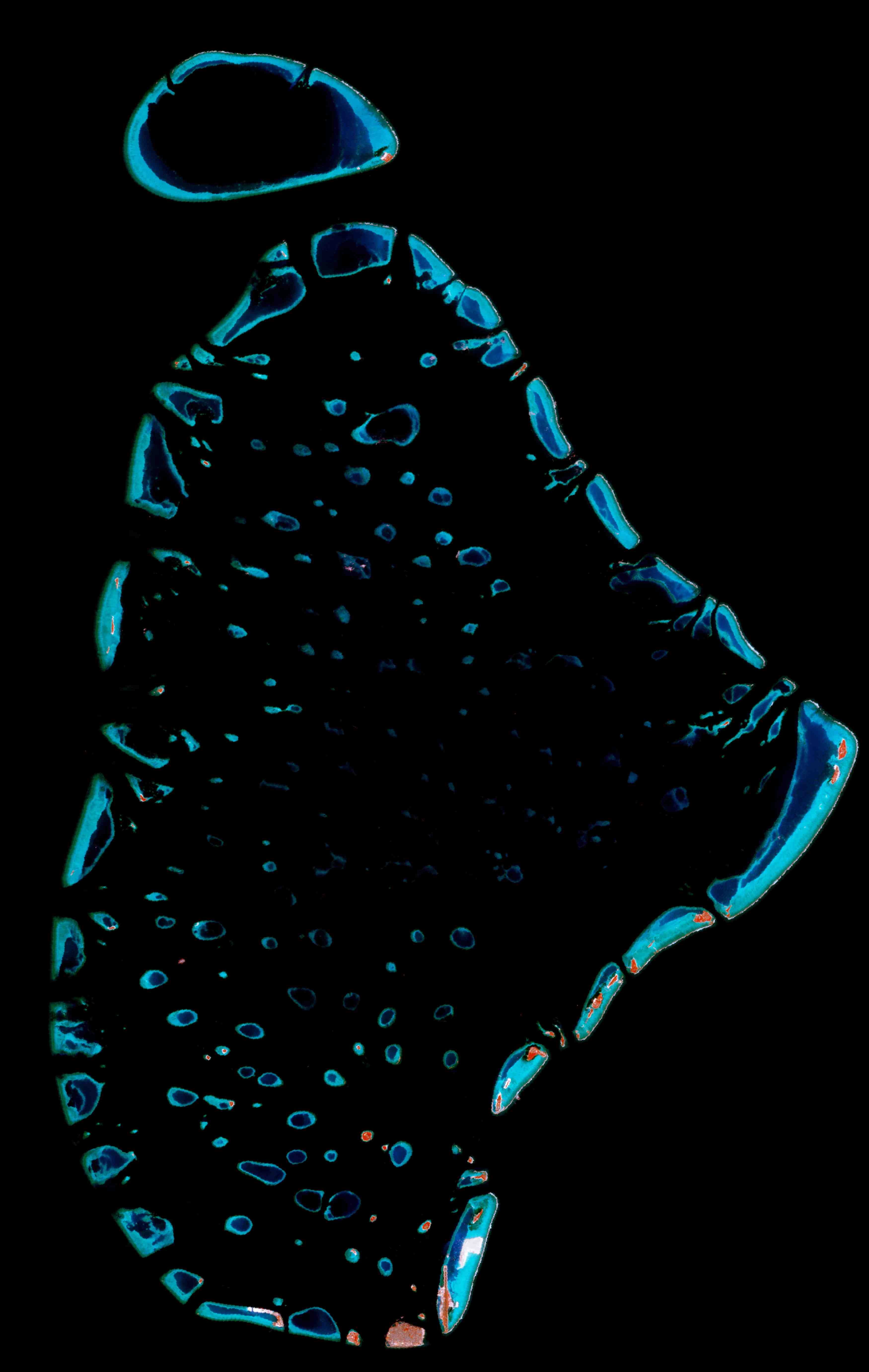 How much the oceans are protected? How much of the globe is covered in coral reefs? These are important questions that require decent data. A new study led by Sea Around Us Project member Colette Wabnitz and just released online by the journal Frontiers in Ecology and the Environment reveals that the current data available are too poor for them to be used to evaluate progress toward conservation targets, such as international goals to set aside 20-30% of the oceans as marine protected areas. Technological advances in satellite imagery, like this image of the North Male atoll in the Maldives, can help us better determine the true size of coral reefs, mangroves, seagrass, spawning grounds, and other vulnerable marine habitats. Read the full study here.
Climate Change Will Affect Ocean Food Supply
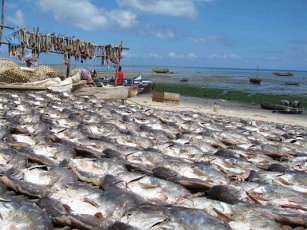 Major shifts in fisheries distribution due to climate change will affect food security in tropical regions most adversely, according to a new study led by the Sea Around Us Project’s William Cheung (now based at the University of East Anglia in the UK). The study, published today Global Change Biology, finds that climate change will produce major shifts in productivity of the world’s fisheries, affecting ocean food supply throughout the world, most particularly in the tropics. Read the full press release here and a summary of scientific findings and some of the major maps and graphs from the climate change study here . The Pew Environment Group also put out a report on the study in their Ocean Science Series.
Aquacalypse Now
 Daniel Pauly writes an article on overfishing for The New Republic. Read the full piece here.